

The Magic of Post-Monsoon Meghalaya
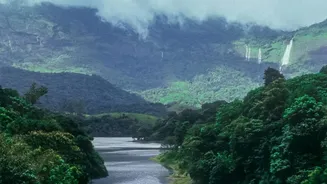
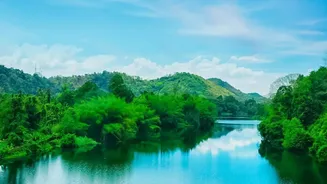
While many associate Meghalaya with the intense monsoons, the real magic arguably unfolds between October and November. This post-monsoon or autumn period offers the perfect balance. The landscape, freshly nourished by the rains, is at its most lush and verdant.
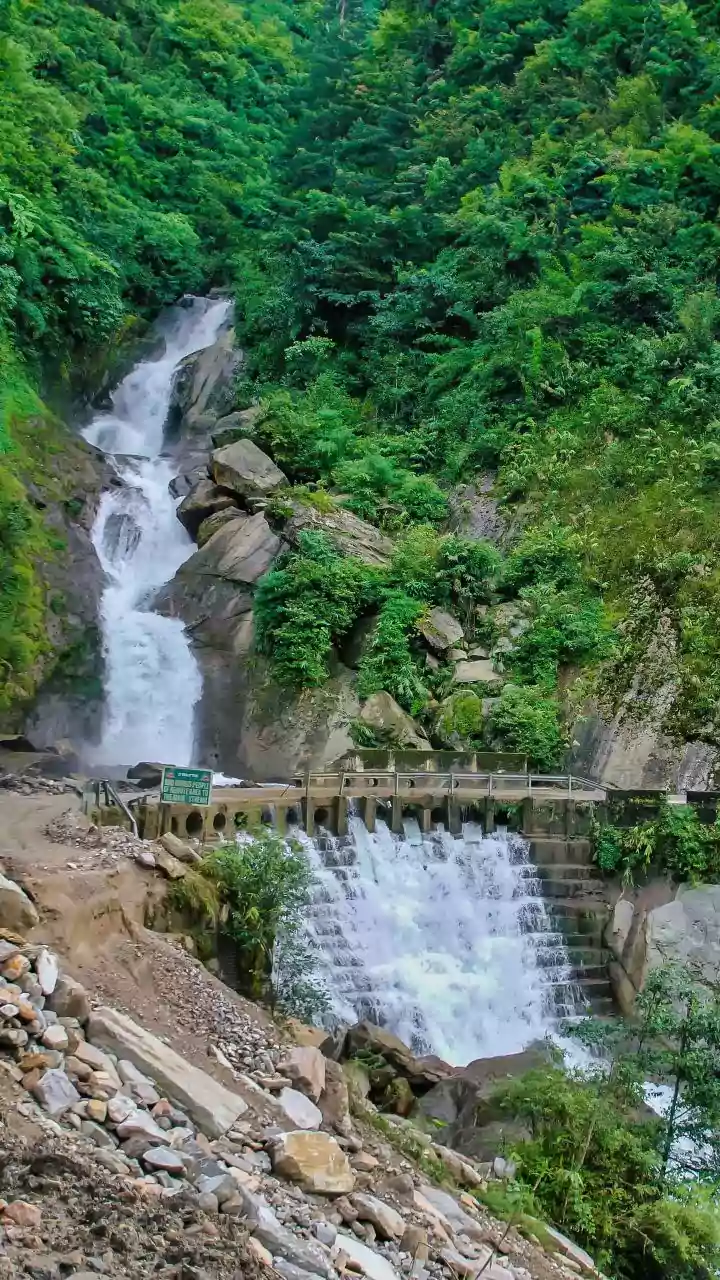
Waterfalls that thunder dangerously during the peak wet season are now full, powerful, but beautifully defined. The weather becomes pleasantly cool, with comfortable daytime temperatures ideal for exploring. Perhaps most importantly, the tourist crowds have thinned, offering a more serene and personal experience of this natural paradise. The trails are drier and safer for trekking, opening up adventures that are often challenging during the rains.
Sohra: More Than Just Rain
Sohra, known to most as Cherrapunji, is famous for being one of the wettest places on Earth. But in autumn, it transforms from a misty, rain-drenched town into a viewpoint of spectacular clarity. The clouds part to reveal breathtaking panoramic views of the deep valleys and, on a clear day, even the plains of Bangladesh in the distance. This season is perfect for photography, with crisp air and brilliant light illuminating the dramatic landscapes. Key spots like the Mawkdok Dympep Valley View Point, which you cross on the way from Shillong, become essential stops, offering stunning gorge views without the veil of fog.
Chasing Sohra's Legendary Waterfalls
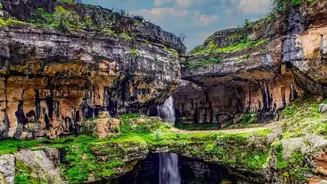
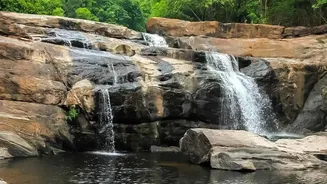
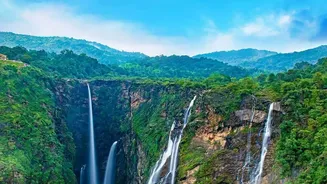
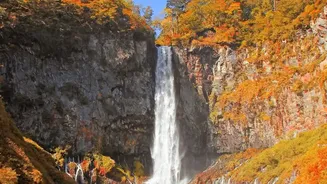
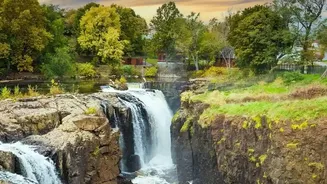
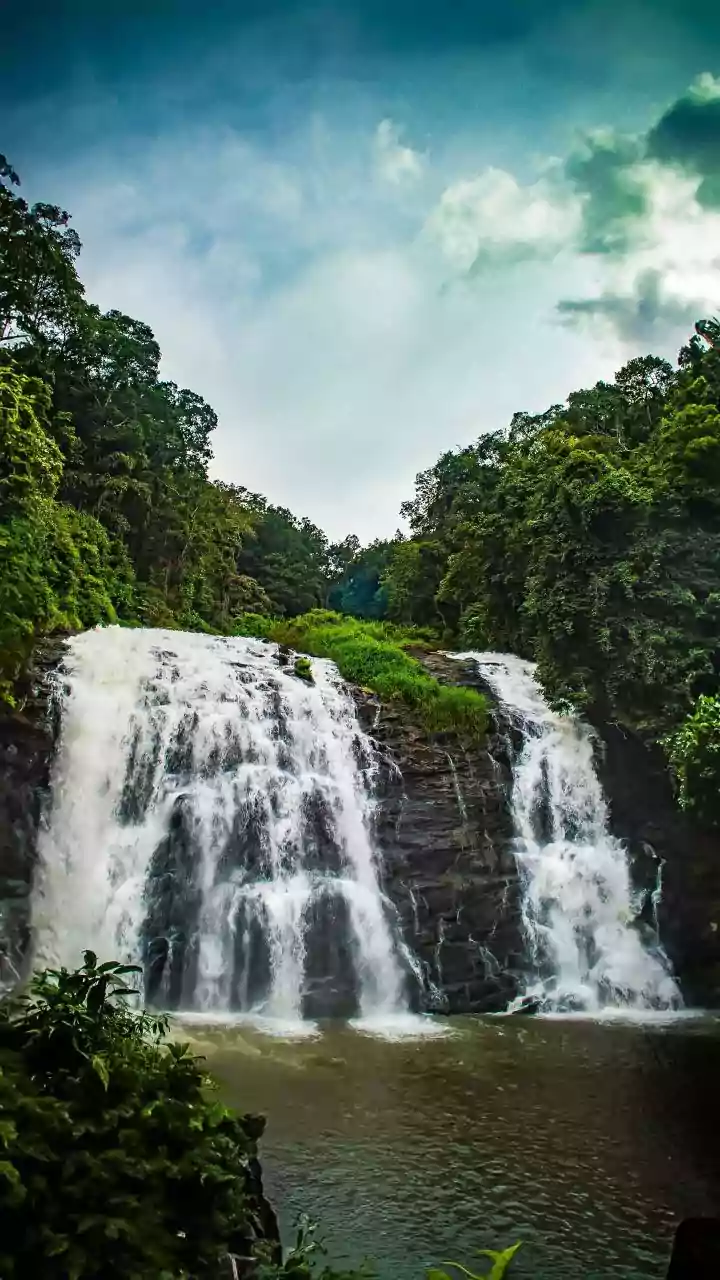
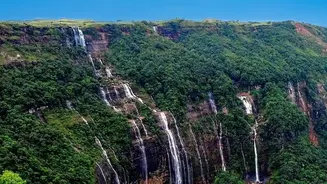
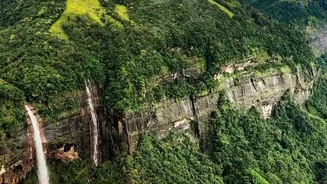
Autumn is an excellent time for waterfall hopping. Nohkalikai Falls, India’s tallest plunge waterfall, is a majestic sight. The post-monsoon flow is still robust, and the turquoise pool at its base is often clearly visible, a view frequently obscured by fog in other seasons. The Seven Sisters Falls (Nohsngithiang Falls) also benefit from the lingering monsoon waters, presenting a wide, segmented cascade. For a more offbeat experience, visit Dainthlen Falls. Here, you can walk along the wide, rocky riverbed right up to the point where the water disappears into the gorge. The area is steeped in Khasi legend about a great battle with a serpent, and the unique potholes on the rocks are said to be marks from that epic fight.
The Unforgettable Living Root Bridges Trek
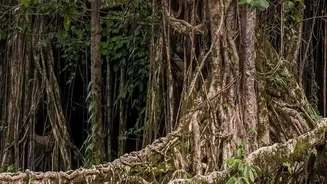
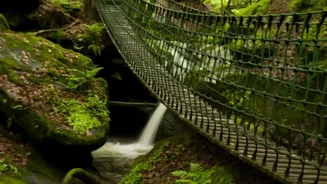
No trip to this region is complete without trekking to the living root bridges, a marvel of bio-engineering by the Khasi people. The trek to the famous Double Decker Root Bridge in Nongriat village begins at Tyrna and involves descending over 3,000 stone steps. The journey itself is an adventure through dense subtropical forests, passing smaller root bridges and suspension bridges over crystal-clear streams. The autumn weather makes this challenging trek much more manageable and safer than during the slippery monsoon months. The reward is witnessing a structure estimated to be over 180 years old, a testament to a harmonious relationship between humanity and nature. For a fuller experience, consider staying overnight in a homestay in Nongriat village.
Beyond the Postcard Views
To truly capture the “offbeat” spirit, venture beyond the main attractions. Explore the Mawsmai Cave, a well-lit and accessible limestone cave system that gives a fascinating glimpse into the region’s geology. For a slightly more adventurous caving experience, Arwah Cave is known for its impressive size and visible fossils of fish and crustaceans embedded in the rock walls. You can also visit local parks like the Thangkharang Park or the Mawsmai Nongthymmai Eco Park, which offer manicured spaces with incredible views of the surrounding gorges and waterfalls, providing a different perspective on Sohra's natural grandeur.
Your Autumn Trip Planner
Planning your trip for October or November requires some preparation. The easiest way to reach Sohra is to fly into Shillong or, for better connectivity, Guwahati in Assam. From there, it's a scenic 2-3 hour drive by hired taxi to Sohra. Accommodation ranges from resorts to cozy homestays, which offer a more authentic local experience. Pack layers of clothing, as mornings and evenings can be cool. Sturdy, comfortable trekking shoes with good grip are non-negotiable, especially for the root bridge trek. Carry a rain jacket for unexpected showers, and always have cash on hand, as digital payments can be unreliable in more remote areas.