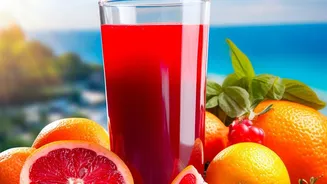


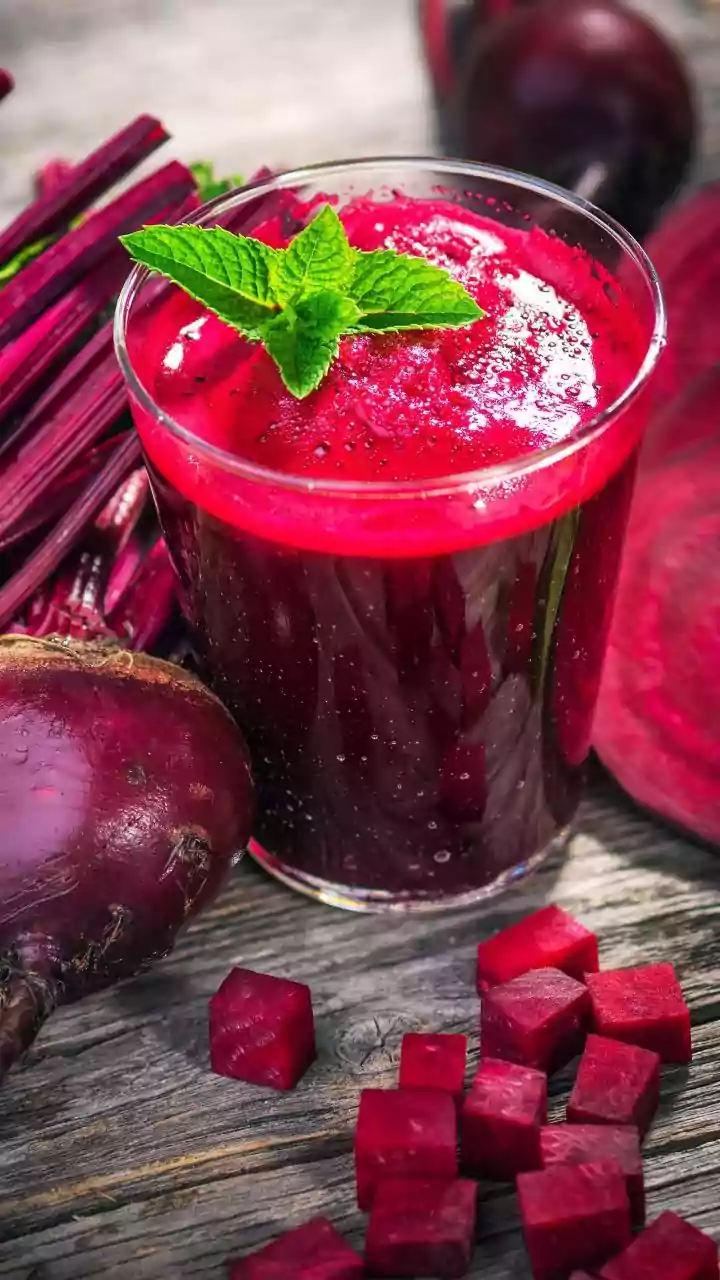
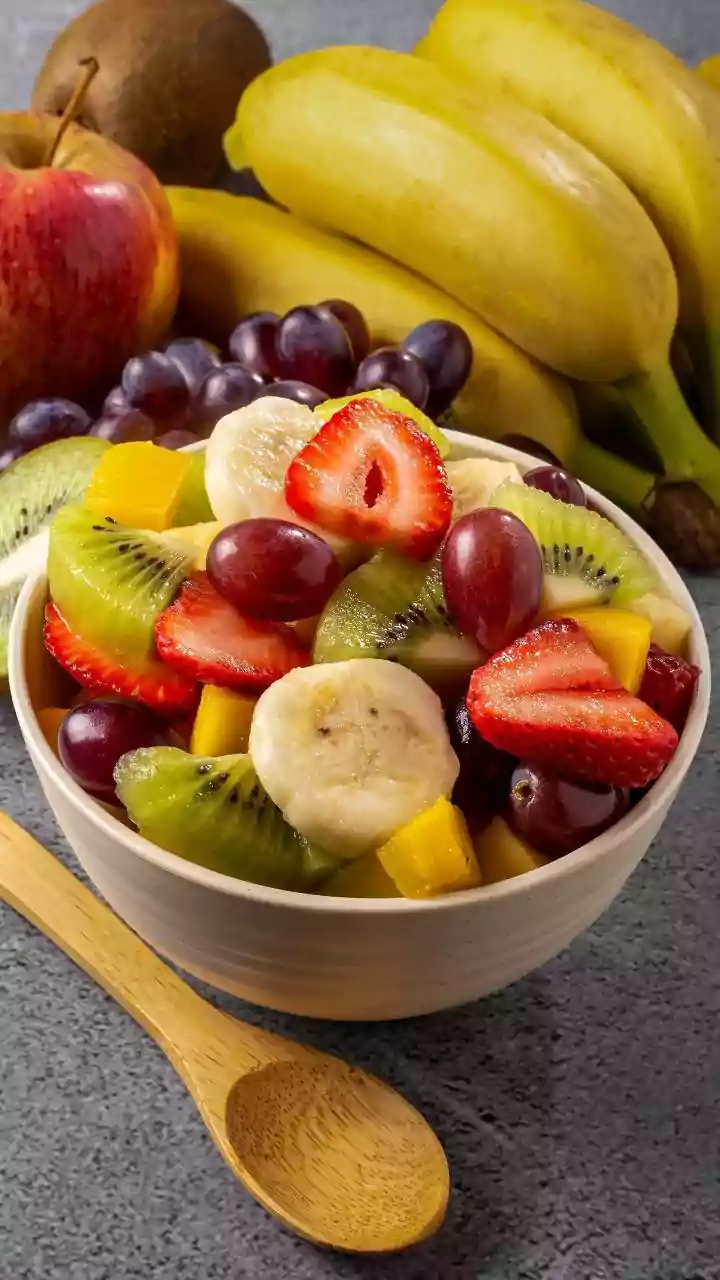



Myth: Juice Delivers Nutrients Faster and Better
One of the biggest selling points for cold-pressed juice is the idea that your body can absorb a concentrated dose of vitamins and minerals almost instantly, since there's no bulky food to break down. Proponents claim that because the digestive system
doesn't have to work as hard, the nutrients go straight into your bloodstream. While it's true that you get vitamins from juice, this popular belief overlooks what’s left behind in the juicing process. The machine extracts the liquid and discards the pulp and skin, which are packed with one of the most important components of a healthy diet: fiber.
Reality: You're Missing Out on Essential Fiber
Fiber is the unsung hero of fruits and vegetables. When you drink juice, you're consuming the fruit's natural sugars without the fiber that nature intended to accompany them. This dietary fiber is crucial for two main reasons. First, it acts like a scrub brush for your digestive system, promoting regularity and helping to prevent issues like constipation. Second, soluble fiber, which dissolves in water to form a gel-like substance, plays a vital role in slowing down digestion. This is incredibly important for blood sugar control. Whole fruits contain both soluble and insoluble fiber, which work together to support a healthy gut microbiome and reduce inflammation.
Myth: Juice is a Great Way to Control Blood Sugar
This is perhaps the most dangerous myth. Because fruit juice has lost its fiber, the body absorbs the sugar very quickly. A glass of juice can contain the sugar of several pieces of fruit, leading to a rapid spike in blood glucose levels, followed by a subsequent crash. This is why even 100% fruit juice can have a metabolic impact similar to that of a sugary soft drink. For example, a whole orange has a much lower glycemic index (a measure of how food affects blood sugar) than a glass of orange juice. This rapid sugar rush can be particularly concerning for individuals with or at risk of diabetes.
Reality: Whole Fruits Promote Stable Energy Levels
When you eat a whole piece of fruit, the fiber slows down the absorption of its natural sugars, leading to a more gradual rise and fall in blood glucose. This prevents the sharp energy spikes and crashes associated with high-sugar, low-fiber foods. This slow release provides you with more sustained energy. The fiber, along with the physical act of chewing, also contributes to a feeling of fullness, or satiety. A glass of juice is not as filling, which means you might consume more calories without feeling satisfied, potentially leading to weight gain over time.
Myth: A Juice 'Cleanse' Will Detox Your Body
The concept of a 'detox' or 'cleanse' is a powerful marketing tool, but it has no scientific basis. Healthy bodies have their own highly efficient detoxification systems: the liver and kidneys. These organs work around the clock to filter waste and toxins from your body. Relying on juice for a 'cleanse' not only deprives your body of essential fiber, but also protein and healthy fats. While a diet rich in fruits and vegetables supports your body's natural processes, there is no evidence that drinking only juice enhances them.
So, Is There Any Place for Juice?
Despite the clear advantages of whole fruits, juice isn't entirely without merit. For individuals with certain medical conditions that require a low-fiber diet, or for those who struggle to eat enough fruits and vegetables, a small glass of 100% unsweetened juice can be a convenient way to get some vitamins. However, it should be seen as a supplement, not a substitute. If you do choose juice, consider it a treat. Opt for vegetable-heavy juices to lower the sugar content and limit your portion to a small glass (around 150ml) per day, as is often recommended by health authorities.