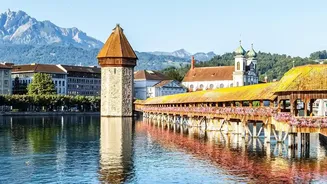




1. Chapel Bridge, Lucerne
As Europe's oldest covered wooden bridge, Lucerne's Chapel Bridge is a magnet for visitors. This 14th-century landmark, with its interior paintings and adjacent Water Tower, is a primary artery of the city, funneling pedestrians across the Reuss River.
Because it's a free, open-air public crossing available 24/7, it naturally becomes a bottleneck, especially during midday in the summer. The narrow walkway fills quickly with tour groups and photographers, making a leisurely stroll feel more like a slow shuffle. The 1993 fire that destroyed many of its historic paintings adds a layer of poignant history to the structure, drawing even more interest. To experience its charm without the crush, the best strategy is to visit early in the morning or late in the evening. At these times, the light is often better for photos, and you can appreciate the history and views in relative peace. Another tip is to use it as a starting point to explore Lucerne's less-congested Old Town alleys and riverside cafes.
2. Jungfraujoch – Top of Europe
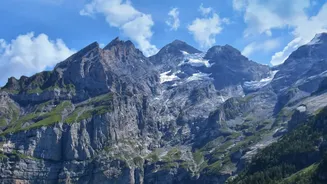
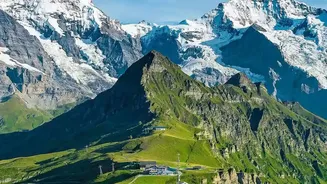
The journey to Jungfraujoch, the highest railway station in Europe, is as much a part of the attraction as the destination itself. This also creates a significant crowd challenge. Thousands of visitors converge daily, especially in the peak summer months of July and August, creating queues for the trains and gondolas. At 3,454 meters, the summit station has limited space, and popular attractions like the Sphinx Observatory and the Ice Palace can become packed by mid-morning. The key to a better experience is timing. Aim to be on the first train of the day, which often departs before 8:00 AM. This small effort rewards you with a quieter summit before the main rush arrives around 10:00 AM. Booking tickets online in advance is essential to avoid long lines at the ticket counter. Also, check the summit's live weather webcam before you go; the trip is expensive, and the views are the main event, making a cloudy day a major disappointment.
3. Zermatt and the Matterhorn
Zermatt, a car-free village nestled beneath the iconic Matterhorn, attracts nearly two million visitors annually. The town's population can swell dramatically, particularly during peak ski season and summer, putting pressure on its infrastructure. While the village itself can feel bustling, the main points of congestion are the cable car stations leading up to viewing platforms like Gornergrat and Matterhorn Glacier Paradise. These lifts get extremely busy with tour groups after 9:30 AM. To find some breathing room, take the first lift of the morning for clearer views and fewer people. Alternatively, explore some of the hiking trails that lead away from the main viewpoints; many visitors stick close to the stations, leaving vast stretches of trail surprisingly quiet. Visiting in the shoulder seasons, like early September, can also provide a much calmer experience while the weather is still pleasant.
4. Interlaken
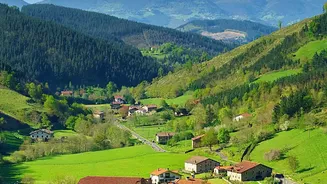
Interlaken's primary role is as a gateway. Situated between two lakes, it's the main transport hub for the entire Jungfrau region, funneling a massive number of tourists toward Lauterbrunnen, Grindelwald, and beyond. This constant flow makes the town itself feel perpetually busy, with its main streets often crowded with tour groups. Locals have noted the strain on infrastructure as the town's popularity has soared. Instead of staying in the heart of Interlaken, consider using it as a transit point and staying in a quieter nearby village like Beatenberg, high above Lake Thun. If you do stay in Interlaken, focus on activities that take you away from the central tourist corridor. Take a boat cruise on the less-crowded Lake Thun or use the local train network to explore smaller lakeside towns. Planning activities for early morning or late afternoon will help you avoid the midday peak when day-trippers are most numerous.
5. Chillon Castle, Montreux
As Switzerland's most visited historical monument, Chillon Castle sees a steady stream of visitors drawn to its romantic lakeside setting and storied past. Built on a rocky island on Lake Geneva, the castle's layout guides visitors along a specific route through its courtyards, halls, and dungeons. This linear path, while logical, can lead to congestion, especially during high season in the summer when you may have to queue to enter. A visit typically takes between 90 minutes and two hours. To make the most of it, buy your tickets online in advance to skip the entry line. Arriving right at opening time or in the late afternoon, a couple of hours before closing, is another effective strategy to avoid the largest crowds. This allows you to explore the chambers immortalized by Lord Byron's poem 'The Prisoner of Chillon' at a more relaxed pace.