

More Than Just a Pretty Colour
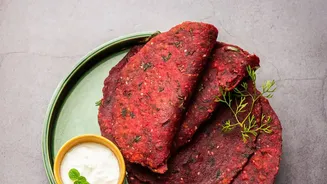
The first thing you'll notice about beetroot tikkis is their brilliant, jewel-toned hue. But their benefits go far beyond aesthetics. Beetroot is a nutritional powerhouse, packed with essential nutrients that make these patties a smarter choice. They
are an excellent source of folate, iron, and dietary fibre. Furthermore, beetroots are rich in antioxidants and natural nitrates, which are known to help improve blood circulation and support heart health. Unlike potatoes, which are primarily starchy, beetroots bring a lighter, more nutrient-dense quality to the table, with fewer calories and carbohydrates. This makes them a fantastic option for anyone looking to add more vitamins and minerals to their diet without sacrificing flavour.
A Unique Flavour and Texture
While potato tikkis are loved for their comforting, starchy softness, beetroot offers a more complex and interesting profile. It has an earthy sweetness that pairs wonderfully with classic Indian spices. The texture of a well-made beetroot tikki is a delightful contrast: crispy on the outside with a moist, tender interior that isn't heavy or dense. Many recipes incorporate other ingredients to enhance this texture, such as mashed paneer for softness, oats or breadcrumbs for binding, and even crushed peanuts or walnuts for a surprising crunch. The spices often used—like chaat masala, amchur (dry mango powder), and garam masala—cut through the sweetness, creating a balanced and tangy snack.
Mastering the Perfect Tikki
The secret to a great beetroot tikki lies in managing its moisture content. Beetroots release a lot of water, which can lead to soggy patties that fall apart. To prevent this, it's crucial to squeeze the excess moisture from the grated beetroot before mixing it with other ingredients. A typical recipe involves combining the grated, squeezed beetroot with a binding agent like boiled and mashed potato, sweet potato, or even cooked rice. To this base, add finely chopped onions, ginger, green chillies, and fresh coriander for flavour and texture. The spice mix is key: cumin powder, coriander powder, chaat masala, and a pinch of garam masala are essential for that classic tikki taste. Once mixed, the dough should be firm enough to shape into patties. If it feels too wet, add a tablespoon or two of breadcrumbs, oats powder, or rice flour until you reach the right consistency.
Tips for a Crispy Finish
Achieving that coveted crispy exterior is easy with a few simple tricks. For an extra crunchy coating, you can dredge the shaped patties in breadcrumbs, semolina (rava), or even crushed cornflakes before frying. Many recipes also suggest dipping the tikki in a thin slurry of cornflour and water before coating, which helps the outer layer adhere better and become incredibly crisp. You have several options for cooking. Shallow frying in a pan with a few tablespoons of oil over medium heat will give you a beautiful golden-brown crust. For a healthier alternative, beetroot tikkis can be baked in a preheated oven at 180°C for 20-25 minutes, or cooked in an air fryer until golden and crisp, which requires very little oil.
Creative Ways to Serve
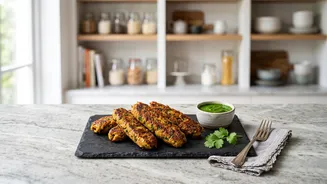
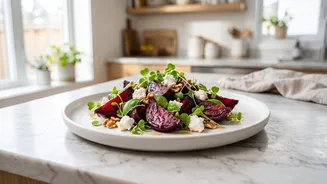
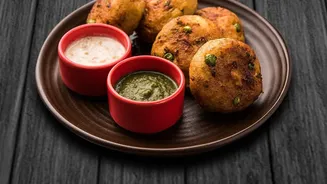
Beetroot tikkis are incredibly versatile. Serve them hot as a standalone evening snack with a side of mint-coriander chutney or a cooling yogurt dip. They also make for a fantastic base for a colourful tikki chaat; just top them with whisked yogurt, tamarind chutney, onions, and a sprinkle of sev. Beyond snacks, these patties are a brilliant vegetarian burger filling—their vibrant colour and robust flavour stand up well in a bun with crisp lettuce and sliced onions. You can also crumble them over salads for an extra boost of protein and texture or roll them into a roti or paratha for a quick and satisfying wrap.