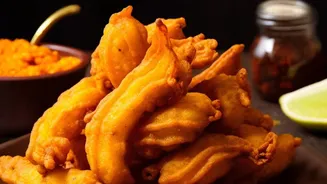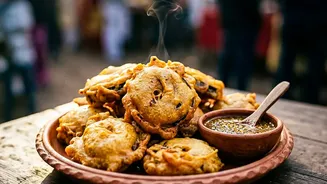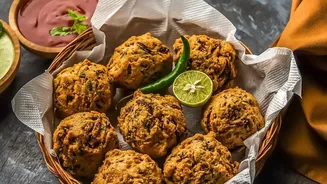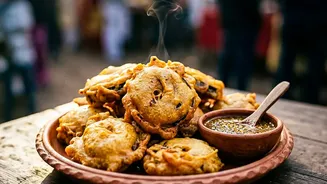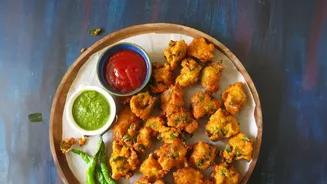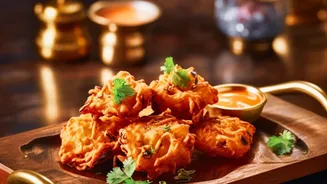


The Batter: Your Foundation for Crunch
The secret to a genuinely crispy pakora lies in the batter. While gram flour (besan) is the traditional base, providing a nutty flavour, many street vendors and seasoned home cooks add a crucial second ingredient: rice flour. A ratio of roughly three
or four parts gram flour to one part rice flour creates a coating that is lighter and absorbs less oil, resulting in a superior, longer-lasting crunch. The consistency is just as important. The batter should be thick enough to coat the bread sandwich evenly without being overly dense; a smooth, flowing consistency is ideal. Adding too much water at once is a common mistake. It's better to add water gradually until the batter can generously coat the back of a spoon. Some recipes also swear by adding a pinch of baking soda for a lighter, fluffier texture or a spoonful of the hot frying oil directly into the batter just before frying. This simple trick helps create a crisp exterior while keeping the inside moist.
The Filling: A Classic Spicy Centre
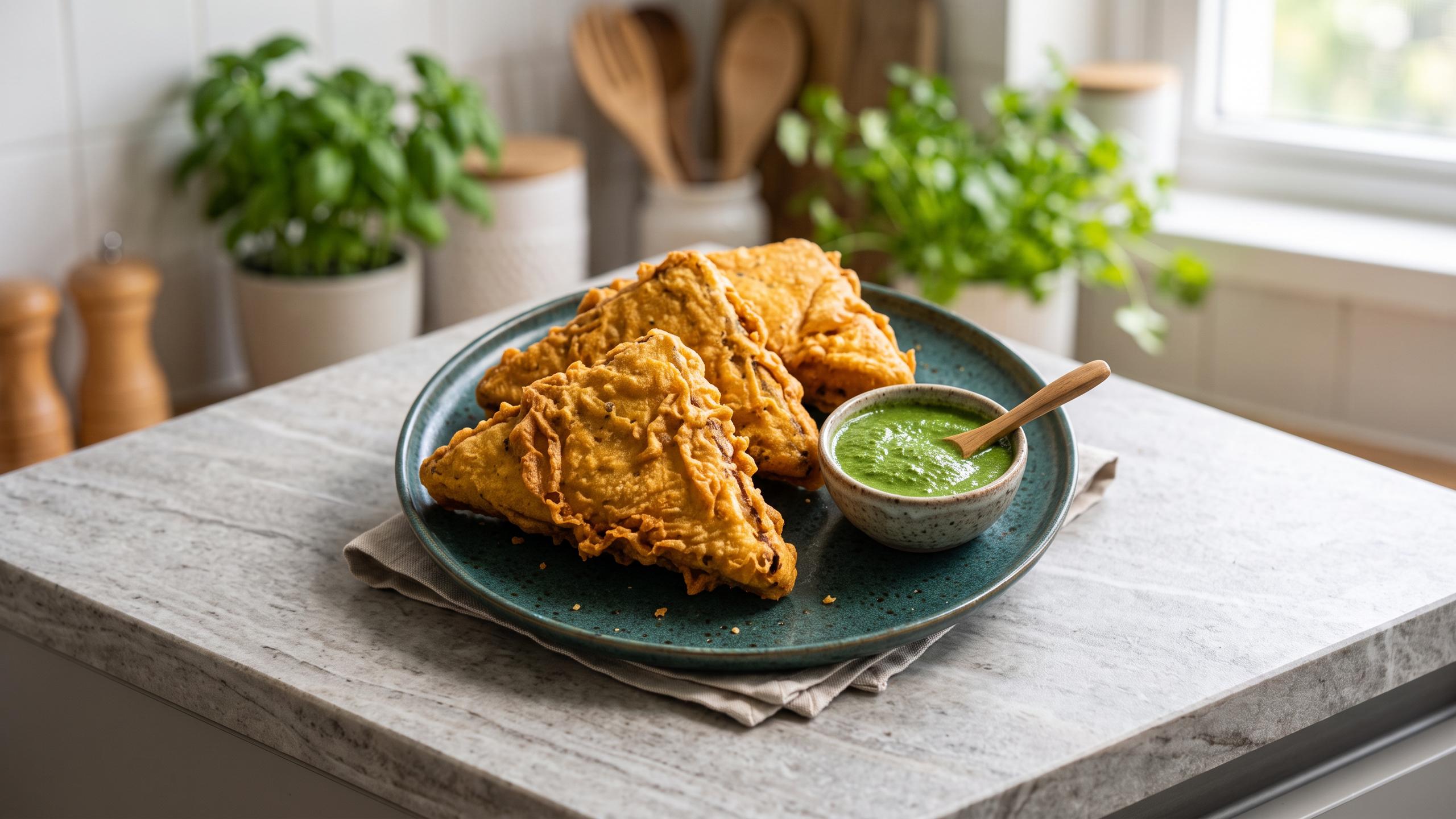
While you can make plain bread pakora by simply frying the battered bread, the most iconic street-food version features a spicy potato filling. This 'aloo' stuffing is typically made from boiled and mashed potatoes mixed with a medley of spices. Common additions include finely chopped green chillies and ginger, coriander leaves, turmeric powder, red chilli powder, and a tangy agent like dry mango powder (amchoor) or lemon juice to balance the richness. To prepare it, spices are often bloomed in a little hot oil before the mashed potatoes are mixed in. The filling is spread evenly on a slice of bread, sometimes with a layer of green chutney for extra flavour, before being topped with a second slice to create a sandwich. This sandwich is then cut diagonally into triangles before being dipped into the batter.
Choosing Your Oil and Temperature
The type of oil and its temperature are non-negotiable elements for achieving a crisp, non-greasy finish. A neutral oil with a high smoke point is essential. Groundnut (peanut) oil is a fantastic choice because its high smoke point allows it to get very hot without burning, and its mild flavour doesn't overpower the spices. Mustard oil is another traditional favourite, prized for its pungent flavour, though it needs to be heated until it smokes and then cooled slightly before use. The ideal frying temperature is a steady medium-hot, somewhere between 175°C and 180°C (350°F). If the oil is too cool, the pakora will absorb it like a sponge and become greasy. If it's too hot, the outside will burn before the bread is properly heated and the crust is set. A good test without a thermometer is to drop a tiny bit of batter into the oil; it should sizzle immediately and rise to the surface without turning dark too quickly.
The Art of Frying and Double-Frying
How you fry is as important as what you fry with. When you're ready, carefully dip the stuffed bread sandwich into the batter, ensuring it's coated evenly on all sides. Gently slide it into the hot oil, being careful not to overcrowd the pan, which can lower the oil's temperature and lead to soggy results. Fry on a medium flame, allowing each side to become golden brown and crisp, which usually takes a few minutes per side. Once fried, remove the pakoras with a slotted spoon and let them drain on a wire rack rather than paper towels; this allows air to circulate and prevents the bottom from getting steamy and soft. For an ultimate, next-level crunch, consider the double-fry method. This involves frying the pakoras once until they are cooked through and lightly golden. After they have cooled slightly, you fry them a second time in slightly hotter oil for a minute or two until they are a deep golden brown. This technique drives out extra moisture and guarantees a shatteringly crisp crust, just like the ones from the best street vendors.