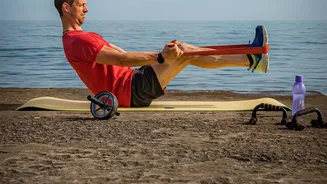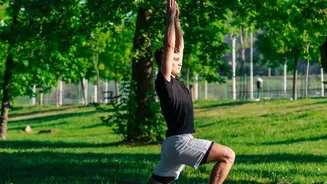








Starting a fitness journey can feel overwhelming, especially with the fear of aches and pains. But what if you could build strength and stamina without punishing your body? A joint-friendly routine is the secret to creating a habit that lasts.
Why Low-Impact Is a Game-Changer
When you're
new to exercise, the 'go hard or go home' mentality can lead to injury and burnout. Low-impact exercise is different. It minimises the stress and jarring force on your joints, particularly your knees, hips, and ankles. This approach involves movements where at least one foot remains on the ground or where your body is supported, like in water. The benefits are huge: it reduces the risk of injury, improves joint health by lubricating cartilage, and is accessible to people of all fitness levels. Instead of causing pain, these workouts can actually ease joint discomfort and reduce stiffness over time, making them a sustainable choice for the long haul.
The Best Joint-Friendly Exercises to Try
You don't need to jump, sprint, or lift heavy to get a great workout. Many effective exercises are gentle on the body. Walking is one of the simplest and most effective options; you can do it anywhere and start with just 10-15 minutes a day. Water-based exercises like swimming or water aerobics are exceptionally joint-friendly because the water supports your body weight, removing almost all impact. Cycling, either on a stationary bike or outdoors, builds leg strength and cardiovascular fitness with a smooth, non-jarring motion. Other excellent choices include the elliptical machine, which mimics running without the impact, and mind-body practices like yoga and Pilates, which boost flexibility, core strength, and balance.
How to Build a Routine You'll Stick With
The key to sustainability isn't intensity—it's consistency. Start small with realistic and achievable goals. Aiming for a 15-20 minute session three times a week is much more manageable than trying to work out for an hour every day. Schedule your workouts like appointments to make them a non-negotiable part of your week. It's also crucial to choose activities you genuinely enjoy. If you hate running but love to dance, put on some music. Exercise shouldn't feel like a punishment. By finding joy in the movement, you're more likely to make it a lasting habit.
Avoid These Common Beginner Mistakes
Many people stumble when starting a new routine by making a few avoidable errors. One of the biggest is doing too much, too soon. Your body needs time to adapt, so progressing gradually is essential for preventing injury and fatigue. Another pitfall is prioritising the weight you lift over proper form. Incorrect technique not only reduces the effectiveness of the exercise but significantly increases your risk of getting hurt. Finally, don't get discouraged by a lack of immediate results or compare your journey to others. Progress takes time. Focus on consistency, track your personal improvements, and celebrate small victories along the way to stay motivated.
Listen to Your Body and Prioritise Recovery
Creating a sustainable routine means learning to distinguish between the good soreness of a muscle being worked and the bad pain that signals an injury. Always listen to your body; it's okay to take a rest day or modify an exercise if something doesn't feel right. Recovery is just as important as the workout itself. It's during rest that your body heals and adapts, getting stronger. Ensure you're getting enough sleep and eating a balanced diet rich in nutrients to fuel your workouts and support muscle repair. Remember, the goal is longterm health, not shortterm exhaustion.