



A Taste of Home in Zero Gravity
For astronauts on long-duration missions, food is far more than just fuel. It's a critical link to home, a source of comfort, and a massive morale booster. The psychological benefits of enjoying a familiar meal can't be overstated when you're living and working
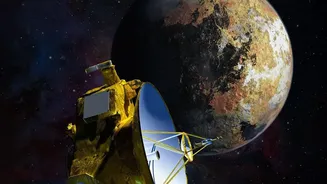
in a confined space capsule far from Earth. While early space missions focused purely on nutrition packed into sterile tubes and cubes, modern space agencies understand the importance of a varied and enjoyable menu. For India's ambitious Gaganyaan mission, ensuring that its astronauts have access to the familiar and beloved tastes of Indian cuisine is a top priority. It’s about providing not just physical sustenance, but emotional and cultural sustenance as well.
Hyderabad's Cosmic Kitchen Takes the Lead
The headline's claim is rooted in the significant work being done by the ICMR-National Institute of Nutrition (NIN) in Hyderabad. This institution has taken on the crucial task of developing specialized space food for the Indian Space Research Organisation's (ISRO) Gaganyaan programme. While the Mysuru-based Defence Food Research Laboratory (DFRL) has long been the primary developer of meals for India's armed forces and early space food concepts, Hyderabad's NIN is now at the forefront of tailoring these meals specifically for the unique physiological demands of space travel. Their scientists are focused on creating a menu that is not only delicious but also perfectly balanced to support astronaut health in microgravity.
The Astronaut's Menu: From Khichdi to Rolls
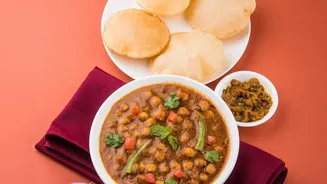
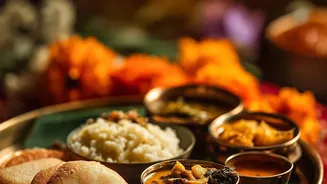
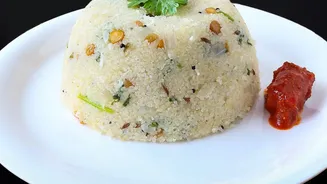
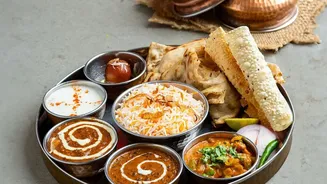
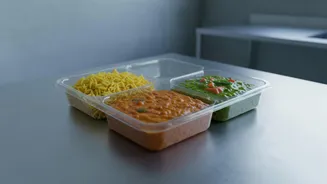
So, what exactly will India's 'Gaganauts' be eating? The menu is a delightful mix of comfort food and nutritious options. The NIN in Hyderabad is developing items like khichdi, mutton rolls, and chicken nuggets. This builds on a broader menu developed by DFRL, which includes around 30 Indian staples such as idli sambar, upma, vegetable pulao, chapatis, and chicken curry. The goal is to provide a taste of home, with both vegetarian and non-vegetarian choices available. These meals are being carefully designed to control sodium levels, provide essential micronutrients and antioxidants, and manage fibre intake to ensure optimal gut health during the mission.
The Science of Space-Ready Food
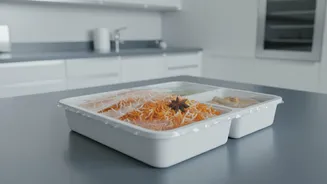
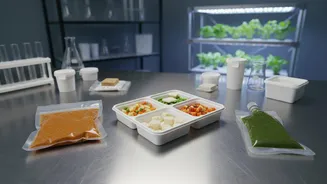
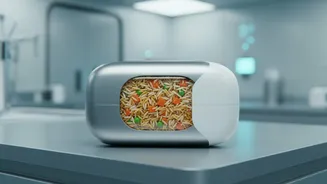
Making food safe and palatable for space is a tremendous scientific challenge. You can't have crumbs floating into sensitive equipment, and meals need a shelf life of months or even years without refrigeration. The primary technology used is retort processing. Food is sealed in multi-layered pouches and then heated under pressure to a high temperature, typically around 121°C. This process sterilizes the food, killing any microbes that could cause spoilage while preserving much of the taste, texture, and nutritional value. The food is prepared in ready-to-eat, semi-solid, or dehydrated forms that can be easily reconstituted with a small amount of water. Special food warmers and custom liquid containers are also provided to make the dining experience as normal as possible.
More Than Just a Meal
The effort to put Indian food on the menu for space missions is a powerful symbol of the nation's comprehensive spacefaring capabilities. It shows an attention to detail that goes beyond the engineering of rockets and spacecraft, focusing on the human element of space exploration. By investing in the development of familiar foods, ISRO and its partner institutions like NIN are ensuring the well-being and peak performance of their astronauts. It’s a testament to the idea that even as we reach for the stars, we can, and should, take the comforting flavours of our culture with us.