







The Unsung Hero of Your Plate
Dietary fibre is, in essence, a type of carbohydrate that our bodies cannot digest. Unlike other carbs, which are broken down into sugar molecules, fibre passes through our system relatively intact. For decades, this led to it being dismissed as mere
‘roughage’—something that just adds bulk and keeps things moving. This description, while not entirely wrong, is a gross oversimplification. Thinking of fibre as just a digestive aid is like thinking of Virat Kohli as just ‘a guy who holds a bat’. It misses the entire point. Fibre is a complex, multifaceted nutrient that plays a foundational role in nearly every aspect of our health, from our gut to our brain and beyond.
Two Heroes, Two Missions
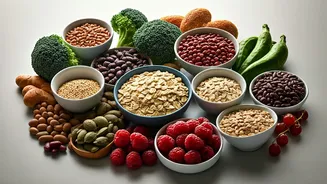
To truly appreciate fibre, we need to understand that it’s not a monolith. It comes in two main forms, each with a unique job. First, there’s soluble fibre, which dissolves in water to form a gel-like substance in your gut. Found in foods like oats, beans, apples, and carrots, this gel acts like a sponge. It soaks up cholesterol, preventing it from being absorbed into the bloodstream, and slows down the absorption of sugar, which helps prevent dramatic blood sugar spikes. Then there’s insoluble fibre, found in whole grains, nuts, and vegetables like cauliflower and green beans. This is the ‘roughage’ we know. It doesn’t dissolve in water and adds bulk to stool, promoting regularity and preventing constipation. Both are essential, and a healthy diet needs a robust team of both working in concert.
Feeding Your Inner Ecosystem
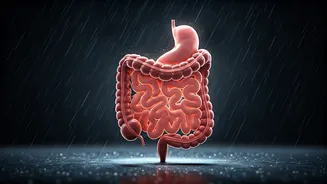
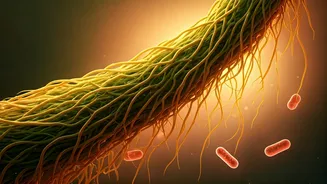
Perhaps the most exciting discovery in recent nutrition science is fibre’s role as a prebiotic. Our gut is home to trillions of microorganisms, collectively known as the gut microbiome. This intricate ecosystem is crucial for immunity, hormone regulation, and even mental health. But these tiny allies need to eat, and their favourite food is fibre. When we consume fibre, we aren’t just feeding ourselves; we’re feeding our gut bacteria. They ferment the fibre and produce beneficial compounds called short-chain fatty acids (SCFAs). These SCFAs nourish the gut lining, reduce inflammation, and communicate with our brain, potentially influencing mood and cognitive function. A low-fibre diet essentially starves this vital internal community, leaving us more vulnerable to a host of health issues.
The Indian Fibre Paradox
Traditionally, Indian diets are rich in fibre, thanks to a heavy reliance on lentils (dal), legumes (chana, rajma), whole grains (roti, millets), and a diverse array of vegetables. So, we should be doing great, right? Not necessarily. The modern Indian diet is experiencing a worrying shift. We are increasingly replacing whole grains with refined flour (maida) found in naan, white bread, and biscuits. We’re peeling our vegetables, juicing our fruits (which strips out the fibre), and opting for ultra-processed snacks. The average adult needs about 25-30 grams of fibre per day, but studies suggest many urban Indians are falling far short of this target. We have a rich culinary heritage of fibre, but we are actively ‘throwing it away’ in favour of convenience.
How to Put Fibre Back on the Pedestal
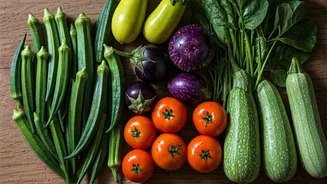
Giving fibre the respect it deserves doesn’t require a radical diet overhaul. It’s about making small, conscious shifts. Start by choosing wholewheat atta over refined maida. Eat your apple instead of drinking its juice. Don’t peel your cucumbers or potatoes—much of the fibre is in the skin. Incorporate more millets like jowar and bajra into your meals. Snack on a handful of nuts or roasted chana instead of a packet of chips. View beans and lentils not as a side dish, but as the star of the meal. Every time you make one of these small choices, you are choosing to nourish your body’s foundation and honour the nutrient that does so much with so little fanfare.