




Why the Hills Beckon This Monsoon
The annual monsoon transforms the northern hills into a vibrant spectacle of nature. While the season once meant fewer tourists, recent trends show a growing fascination with mountain getaways during the rains. [12] Travellers are seeking relief from
soaring city temperatures and are drawn to the cool, clean air and lush greenery. [16] Data for 2026 shows a significant jump in bookings for destinations like Shimla and Tirthan Valley, with many trips planned spontaneously just days in advance. [12] This shift highlights a desire for experience-led travel, focusing on wellness, nature, and escaping urban disruptions like waterlogging and traffic. [12, 21]
Tirthan Valley, Himachal Pradesh: For Raw Nature
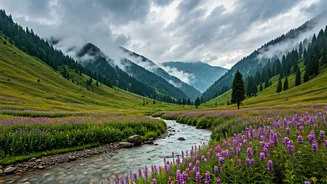
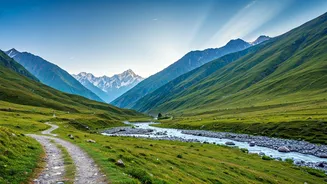
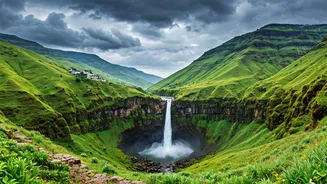
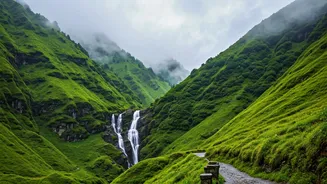
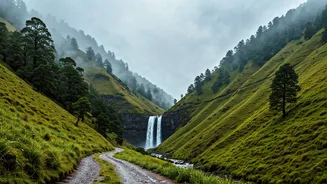
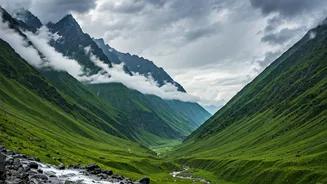
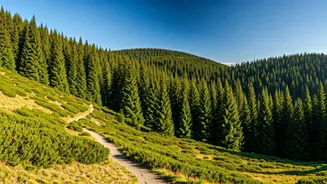
If you want to trade commercialised tourist spots for untouched nature, Tirthan Valley is your answer. A gateway to the Great Himalayan National Park, this valley is a paradise for those who love quiet trails, gushing rivers, and dense pine forests. [19, 26] During monsoon, the valley is exceptionally green, with the Tirthan River flowing in full spate. It’s an ideal spot for trout fishing, riverside camping, and short treks to nearby waterfalls. Homestays along the river offer a cosy refuge, allowing you to enjoy the rain-soaked scenery from a warm, comfortable room. [26] It has become a popular destination, seeing a nearly 95% increase in visitors recently. [12]
Kausani, Uttarakhand: The Himalayan Panorama
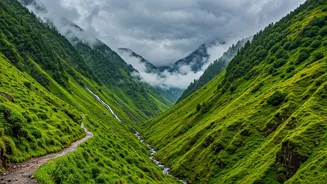
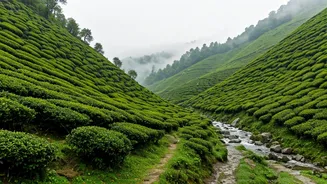
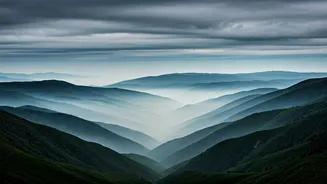
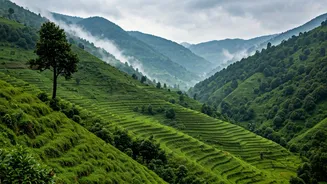
Often called the 'Switzerland of India', Kausani offers breathtaking panoramic views of Himalayan peaks like Nanda Devi and Trishul. During the monsoon, the clouds play a captivating game of hide-and-seek with the mountains. The entire landscape is washed clean, offering crisp, green vistas. [5, 19] It's a destination for contemplation and relaxation, perfect for those looking to unwind with a cup of tea while gazing at the dramatic sky. Key attractions include the Anasakti Ashram, where Mahatma Gandhi once stayed, and the lush tea estates that dot the hillsides. [5] Kausani is a quieter alternative, ideal for travellers seeking peace away from the crowds. [26]
Mashobra, Himachal Pradesh: A Serene Shimla Alternative
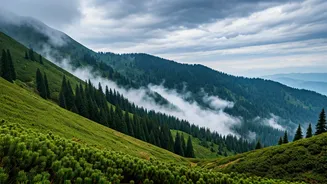
Just a short drive from the bustling capital of Shimla, Mashobra offers a more tranquil and pristine experience. While Shimla itself is seeing a 76% rise in monsoon bookings, Mashobra remains a quieter cousin, perfect for soaking in the season's charm without the crowds. [12, 33] Covered in dense forests of oak and pine, the area becomes incredibly lush and misty in the rains. [33] It’s an excellent base for nature walks, bird watching, and simply relaxing amidst verdant surroundings. For the more adventurous, activities like rafting and trekking are available, though it's wise to check conditions beforehand. [33]
Spiti Valley, Himachal Pradesh: The Rain-Shadow Gem
For those wary of heavy rainfall but still craving a Himalayan adventure, Spiti Valley is the perfect destination. Located in a rain-shadow region, it receives minimal rainfall, making it accessible and safe to travel during the monsoon months. [7, 33] This high-altitude desert landscape offers a stark, dramatic beauty with its barren mountains, ancient monasteries like Key and Tabo, and pristine blue lakes. [31] July and August are ideal months to explore Spiti's unique culture and terrain, with clear roads and pleasant weather, providing a thrilling yet comfortable escape. [31]
Essential Monsoon Travel Safety
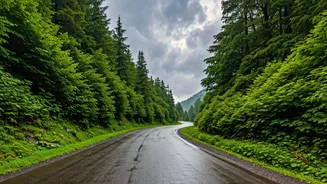
While beautiful, monsoon travel in the hills requires caution. The IMD has forecast a below-normal monsoon for 2026 for many parts of the country, but hilly regions can still be unpredictable. [22, 23] Always check the latest weather forecasts and road conditions before and during your trip, as landslides and roadblocks can occur. [8, 11, 17] It's advisable to drive slowly on wet, slippery roads and avoid taking unexplored routes. [8] Pack synthetic clothes that dry quickly, a reliable raincoat, waterproof footwear, and a first-aid kit with essential medicines. [17] Finally, keep your itinerary flexible and inform a friend or family member of your travel plans. [11]