



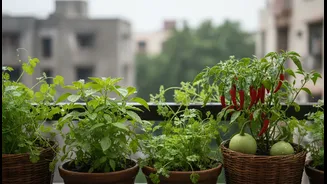


The Humidity and Waterlogging Trap
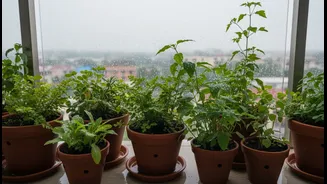
The core of the problem lies in the air itself. During the monsoon, ambient humidity is extremely high. This means the air is already saturated with moisture, which dramatically slows down evaporation from every surface, including the soil in your pots.
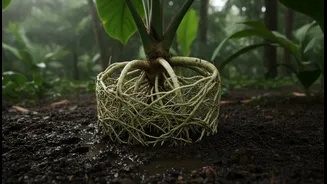
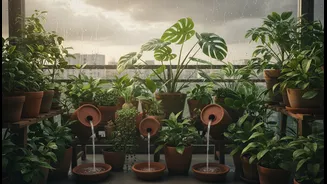
Even if you stop watering, the soil remains damp for days on end simply because the water has nowhere to go. When this is combined with rainfall, pots can become completely waterlogged. This isn't just about too much water; it's about what the excess water displaces: oxygen. Plant roots need to breathe to survive and function. When soil pores are constantly filled with water, roots are essentially suffocated.
Understanding Root Rot
Root rot is a disease that occurs when a plant's roots begin to decay. This happens in waterlogged, oxygen-deprived soil, which creates an ideal breeding ground for fungi and bacteria like Pythium and Fusarium. These pathogens thrive in anaerobic (oxygen-free) conditions and attack the weakened, suffocating roots. Once damaged, the roots can no longer absorb the water and nutrients the plant needs, leading to a slow decline even though the soil is wet. The irony is that a plant suffering from root rot often looks like it's thirsty, wilting because its damaged root system can't deliver water to the leaves.
Spotting the Danger Signs Early
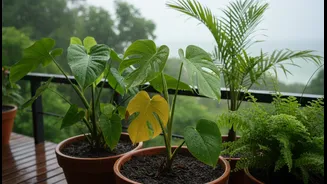
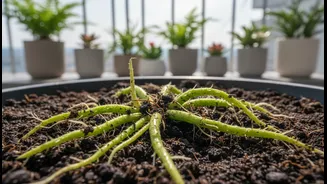
Catching root rot early is key to saving your plant. Be on the lookout for tell-tale symptoms. The most common sign is lower leaves turning yellow and dropping off. The plant may look wilted or droopy despite the soil being wet. Growth will often slow down or stop completely. If you suspect a problem, check the soil. A sour or musty smell indicates that anaerobic bacteria are at work. In advanced cases, the base of the stem might feel soft or turn black. To be certain, you can gently slide the plant out of its pot and inspect the roots. Healthy roots are firm and typically white or light tan, while rotten roots are brown or black, mushy, and may fall apart when touched.
Prevention: Your First Line of Defence
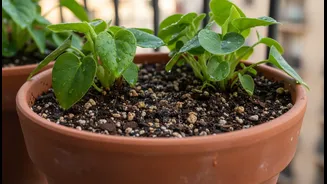
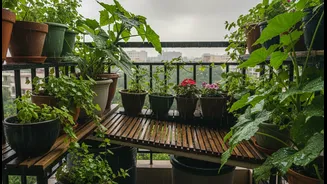
The best way to fight root rot is to prevent it. First, adjust your watering schedule. During monsoon, water only when the top inch or two of soil feels dry to the touch. Second, ensure excellent drainage. Check that your pots have drainage holes and that they aren't blocked. Elevating pots on bricks or stands allows air to circulate underneath and helps water escape. Third, use the right soil. A well-draining potting mix containing materials like coco peat, perlite, or coarse sand is crucial. Avoid using heavy garden soil, which compacts easily and retains too much water. Finally, ensure good air circulation around your plants by not crowding them together.
Emergency Rescue for Infected Plants
If you've confirmed root rot, you need to act fast. Carefully remove the plant from its pot and gently wash the soil from the roots. Using a pair of clean, sterilized scissors, trim away all the brown, mushy, and rotten roots. Be thorough, as any infected tissue left behind can cause the rot to return. You can rinse the remaining healthy roots with a mild fungicide or a diluted hydrogen peroxide solution (one part 3% hydrogen peroxide to two parts water) to kill any lingering pathogens. Discard the old soil and sanitize the pot with a bleach solution before repotting the plant in a fresh, sterile, well-draining potting mix. After repotting, water sparingly and place the plant in a spot with indirect light to recover.