

A New Culinary Map
For decades, eating out in India often meant choosing between a familiar roster of North Indian fare, standard Indo-Chinese, and perhaps a South Indian dosa. But today, the culinary landscape is transforming. A growing number of diners are looking beyond
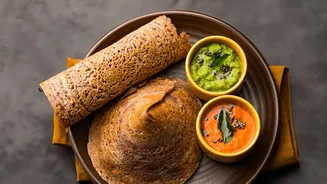
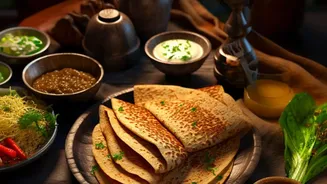
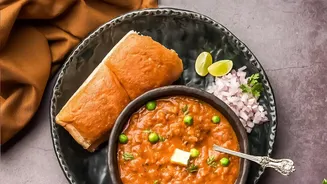
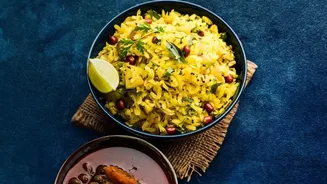
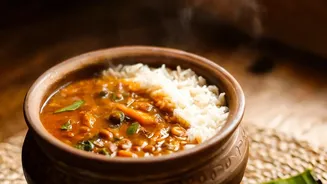
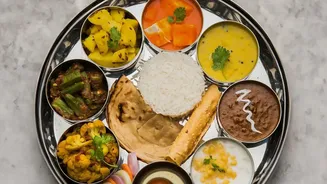
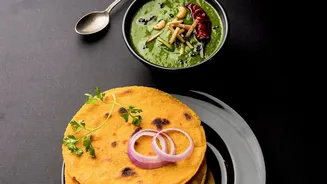
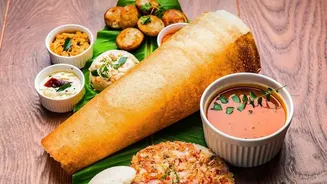
the usual suspects, driven by a desire for authenticity, novelty, and connection. This shift is twofold: a dive into the vast, unexplored pantry of India’s own regional cuisines and a confident embrace of specific, international food traditions. It's no longer enough for a menu to simply say 'Asian'; diners now distinguish between Japanese, Vietnamese, and Korean. Similarly, 'Indian food' is being deconstructed into its rich, regional components, from Bihari to Bengali, and Naga to Keralan.
From the Himalayas to Your Plate
Perhaps no cuisine illustrates the hyperlocal trend better than that of Ladakh. Once a remote culinary tradition known mainly to travellers, Ladakhi food is finding a new audience in urban centres. Dishes like Thukpa, a hearty noodle soup, and Mokmok, delicate steamed dumplings, are moving from niche specialties to celebrated mainstays at food festivals and pop-up restaurants. The appeal lies in its simplicity, unique flavours shaped by a high-altitude climate, and the story it tells of a remote and beautiful land. Chefs and home cooks are championing these recipes, preserving a piece of heritage while introducing a new generation to wholesome, flavourful dishes that offer warmth and nourishment.
The Sushi Sensation Rolls On
At the other end of the spectrum is sushi. What was once an expensive, intimidating dish found only in five-star hotels has become remarkably accessible. Sushi is now a common sight on delivery apps, in casual cafes, and at dedicated counters in cities far beyond the metros. This boom is fuelled by several factors: a growing health consciousness, its highly visual and social media-friendly presentation, and a well-travelled younger generation with global tastes. Restaurants are also adapting sushi to local palates, with vegetarian options, tempura rolls, and fusion creations that make the cuisine less intimidating for first-timers. The journey of sushi in India—from novelty to a near-staple—reflects a broader urban confidence in embracing global food cultures.
Rediscovering Our Own Backyard
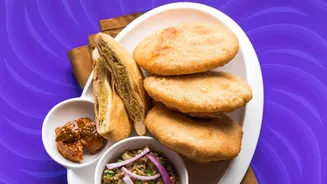
The curiosity driving diners toward Ladakhi food is also shining a light on countless other 'lost' cuisines within India. There is a powerful movement to revive and celebrate hyperlocal food traditions that rarely appeared on commercial menus. Restaurants are now proudly showcasing the distinct culinary identities of states like Odisha, Bihar, and Assam. This trend is about more than just food; it's a form of cultural rediscovery. Diners are connecting with their roots and learning the stories behind dishes, ingredients, and cooking techniques passed down through generations. It represents a shift from a monolithic idea of Indian food to a celebration of its incredible diversity.
The Social Media Effect
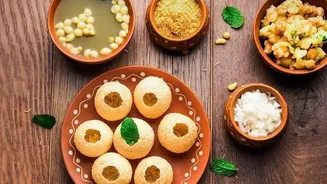
This entire movement is amplified by social media. Platforms like Instagram and YouTube have become powerful discovery engines for food. A visually stunning plate of sushi or a cinematic video of a street vendor making a regional specialty can spark a nationwide trend overnight. Food bloggers and influencers have become the new tastemakers, guiding their followers to hidden gems and encouraging them to be more adventurous. This digital-first food culture has pushed restaurants to be more creative with presentation, while also providing a platform for home chefs and regional food entrepreneurs to reach a national audience.