
Ilulissat: The Iceberg Capital
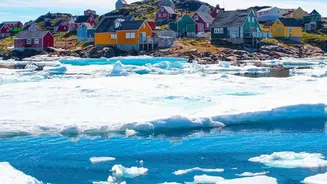
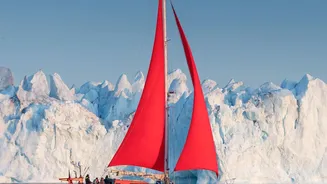
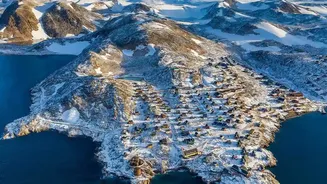
Located 350 kilometres north of the Arctic Circle, Ilulissat is a name synonymous with ice. The town sits at the mouth of the Ilulissat Icefjord, a UNESCO World Heritage site where the colossal Sermeq Kujalleq glacier calves more ice than any other in
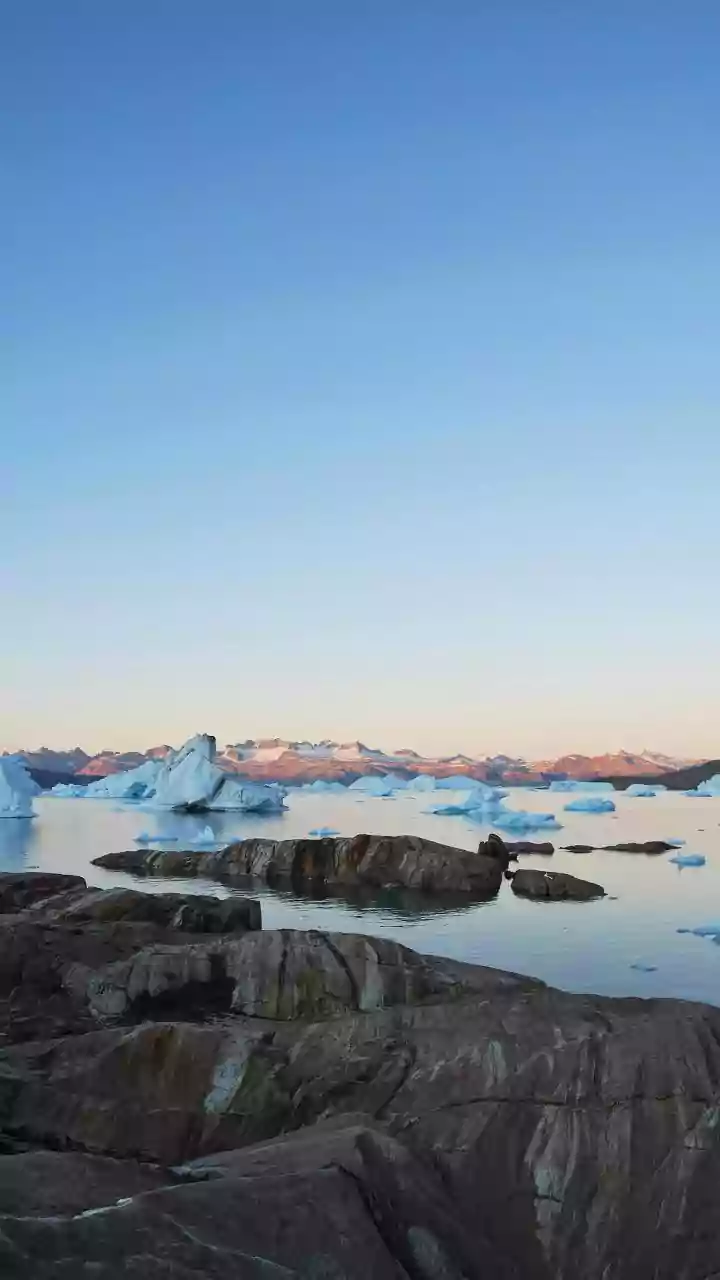
the Northern Hemisphere. This isn't a place for structured itineraries; it's a place to witness the raw power of nature. You can take a boat tour to navigate a maze of skyscraper-sized icebergs in Disko Bay, kayak in the quiet glow of the midnight sun, or hike along the coast to the ancient Sermermiut settlement. In winter, the landscape transforms, offering opportunities for dog sledding and witnessing the spectacular Aurora Borealis. Home to roughly 4,500 people and 1,500 sled dogs, Ilulissat provides a stunning introduction to Greenland's blend of natural wonder and resilient community life.
Tasiilaq: Gateway to the Wild East
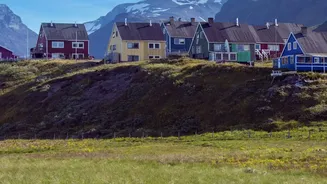
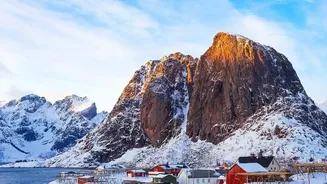
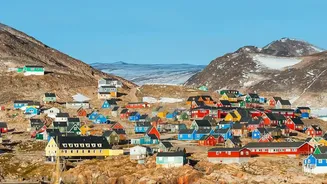
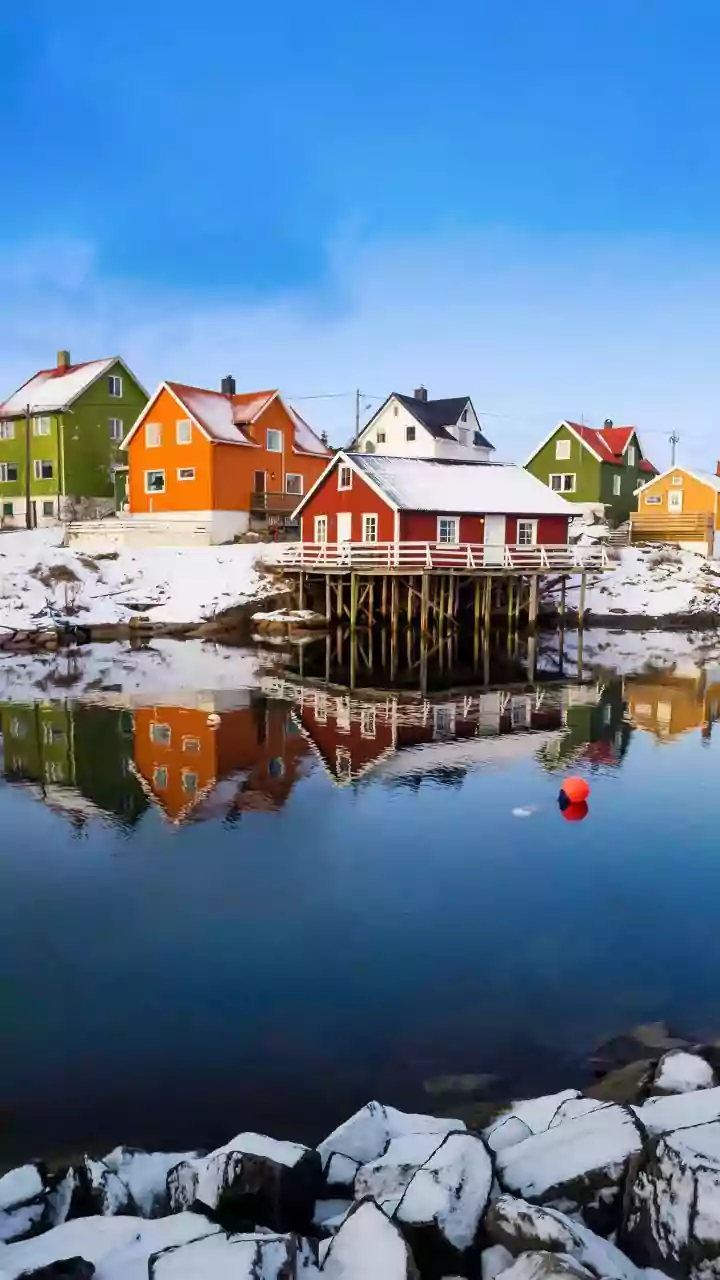
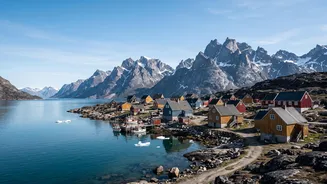
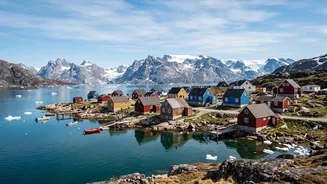
For those seeking a more remote adventure, Tasiilaq is the main town in East Greenland, an area known for its dramatic, pointed mountains and deep-rooted Inuit culture. Reaching it requires a flight from Iceland or Nuuk to the nearby island of Kulusuk, followed by a helicopter or boat transfer, a journey that immediately signals your departure from the ordinary. The town itself is a hilly collection of brightly painted houses overlooking a harbour. From here, the rugged, trail-free wilderness is your playground. Local guides are essential for safety, especially given the presence of polar bears, but they unlock incredible experiences like hiking in the Flower Valley, kayaking in the Sermilik Fjord among countless icebergs, and learning about traditional drum dancing.
Qaqortoq: Culture and History in the South
South Greenland offers a different, greener vision of the Arctic. Qaqortoq, the largest town in the region, is a cultural hub nestled within a system of fjords. It's one of the few towns in Greenland with a central town square, complete with the country's oldest fountain. What truly sets Qaqortoq apart is the 'Stone and Man' project, an open-air art exhibition with over 40 sculptures carved into the town's rocks by Nordic artists. Beyond the town, you can explore the Hvalsey Church Ruin, the best-preserved Norse ruin in Greenland and part of a UNESCO World Heritage site. For a unique natural experience, the Uunartoq hot springs allow you to soak in 38-degree Celsius water while watching icebergs drift by in the nearby fjord.
Kulusuk: A Taste of Traditional Life
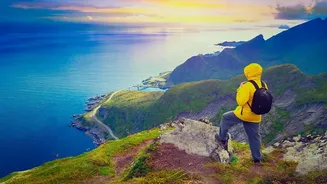
Often the first point of entry for East Greenland, Kulusuk is more than just an airport village. With a population of just over 250 people, it offers a concentrated glimpse into a life still heavily reliant on hunting and fishing. It has embraced its role as a gateway for tourism while retaining its traditional character. Visitors can experience local culture through drum dance performances, kayak shows, and watching artisans carve intricate figures known as 'tupilaks'. Though small, the surrounding landscape is immense, offering hikes up Isikajia Mountain for views of the Denmark Strait and boat trips to the Apusiaajik Glacier. Its accessibility from Iceland makes it popular for day trips, but a longer stay reveals a deeper, more authentic rhythm of life.
Embracing the 'Immaqa' Spirit
Travel in Greenland's villages requires a shift in mindset. There's a local saying, 'Immaqa', which means 'maybe'. It reflects a life where plans are always subject to nature's whims—weather can change in an hour, and ice can block a route without warning. This is not a weakness but a strength. It encourages travellers to be present, flexible, and to appreciate the experience as it unfolds. Choosing to visit these communities over a commercial resort is a vote for sustainable tourism that directly supports local economies, from staying in locally owned guesthouses to hiring local boat captains. It is a form of travel that replaces predictable luxury with unforgettable authenticity and a profound connection to the Arctic's untamed soul.