


The Urban Stargazing Challenge
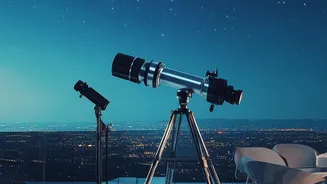
The main obstacle for any aspiring city astronomer is light pollution. This phenomenon, the excessive artificial light flooding the night sky in urban areas, creates a 'skyglow' that dramatically reduces the visibility of celestial objects. While a rural
sky might reveal thousands of stars, a city sky may only show the moon, a few bright planets, and a handful of the most resilient stars. This brightening effect makes it nearly impossible for the unaided eye to pick out the faint patterns of constellations or spot dimmer deep-sky objects. Haze and atmospheric conditions can further scatter this light, making the sky appear even brighter and more opaque. However, this doesn't mean the stars aren't there; they are simply obscured. And with the right tools, you can learn to see past the glow.
Your Pocket Planetarium
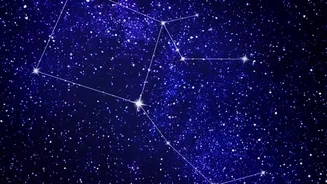
This is where astronomy apps transform your smartphone into a powerful stargazing tool. Using your device's built-in GPS and compass, these apps generate an accurate, real-time map of the sky exactly as it appears above you. The breakthrough feature for city dwellers is augmented reality (AR). By pointing your phone's camera toward the sky, the app overlays information directly onto your view. Lines appear connecting stars into their constellations, planets are labeled, and satellites are tracked as they move across your screen. You no longer need to guess if that bright point of light is the North Star or just a passing airplane; the app identifies it for you instantly. This turns a frustrating experience into an interactive and educational one.
Top Apps for City Skies
While many excellent apps exist, a few are particularly well-suited for beginners navigating light-polluted skies. Star Walk 2 is often recommended for its user-friendly interface and impressive AR overlays, which make identifying objects intuitive. Stellarium Mobile offers a highly realistic planetarium simulation, showing you an accurate sky for any date and location, which is great for planning what you want to look for. SkyView Lite is another popular free option praised for its simple point-and-identify functionality. Most of these apps also feature a red-light mode, which helps preserve your night vision as your eyes adjust to the limited darkness.
What to Look For This Autumn
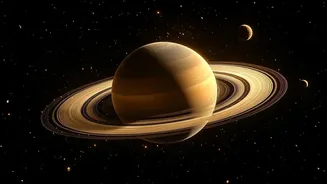
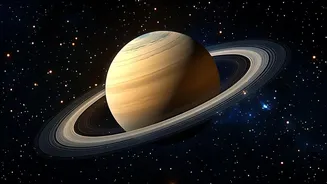
Autumn in the Northern Hemisphere offers some fantastic celestial sights, many of which are bright enough to pierce through the urban glow. This season, look for the bright planets Jupiter and Saturn, which are often visible in the evening sky. Mars may also make an appearance in the early morning hours. For constellations, start with easy-to-spot patterns. The 'W' shape of Cassiopeia is a classic autumn fixture and is usually high in the sky. The Great Square of Pegasus is another prominent guidepost for the season. While challenging from a city, you can use these guideposts to locate the general area of the Andromeda Galaxy, the most distant object visible to the naked eye. An app can confirm you're looking in the right direction, even if you can't see the galaxy's faint smudge without binoculars.
Tips for the Best Viewing
To maximize your chances of success, a little planning goes a long way. Even in a city, some spots are better than others. Find a local park, a rooftop, or any area that shields you from the direct glare of streetlights. Give your eyes at least 20-30 minutes to adapt to the dark; avoid looking at your bright phone screen during this time unless you're using the app's red-light mode. The best nights for stargazing are clear and haze-free, as particles in the air scatter light and worsen the skyglow. Finally, be patient. The more you look, the more your eyes and brain will learn to pick out the faint patterns of the night sky, turning a light-polluted balcony into a personal observatory.