





A New Climate Reality
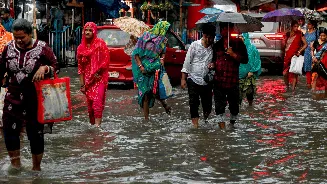
India is grappling with a significant shift in its weather patterns, and 2026 has been a stark example. The year began with early and intense heatwaves across several regions, with temperatures in March soaring 4–7°C above seasonal averages in parts of
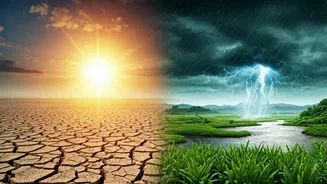
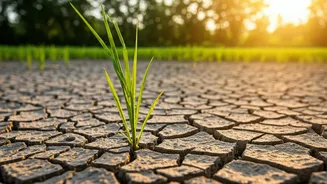
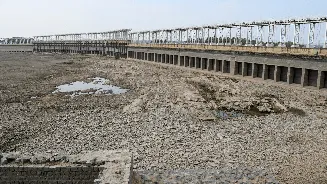
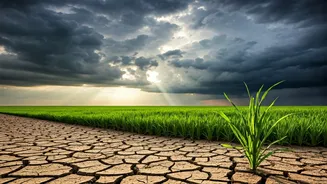
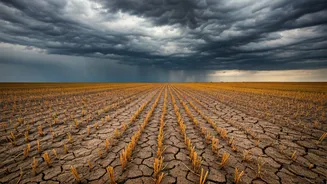
Northwest India. [2] This extreme heat, described as a structural risk to food security, is becoming longer, more intense, and more frequent. [10] Compounding the heat stress, forecasts for the crucial southwest monsoon suggest below-average rainfall. [3, 4] The India Meteorological Department (IMD) has indicated a high probability of deficient or below-normal rainfall for the 2026 season, particularly in the rainfed agricultural heartlands of central and western India. [4, 11] This dual threat of extreme heat and potential drought creates a precarious situation for the nation's agriculture, which is heavily dependent on the monsoon. [9]
From Fields Under Stress to Market Shortages
The impact on the ground is direct and damaging. The intense heat in early 2026 threatened rabi crops like wheat at their critical grain-filling stage, raising concerns of reduced yields similar to the heatwave-induced losses of previous years. [2, 5] Now, the focus is on the kharif or summer-sown crops, which are critically dependent on the monsoon. [3] A delayed or weak monsoon disrupts sowing schedules for staples like rice, cotton, and pulses. [9, 16] Vegetables are particularly vulnerable. The recent spike in tomato prices serves as a clear case study. Intense heatwaves followed by erratic rainfall have disrupted supplies from key growing states like Maharashtra, Karnataka, and Uttar Pradesh. [13] In May 2026, tomato prices surged by over 48%, contributing significantly to food inflation as heat damaged crops and delayed harvests. [17, 20] This volatility isn't limited to one crop; the RBI has noted that price upticks are being seen across rice, wheat, pulses, and other major vegetables. [21]
The Direct Hit on Your Household Budget
This chain reaction, from unpredictable weather to stressed farms, culminates in higher prices for consumers. Food and beverages carry a substantial weight of over 45% in India's consumer price index, meaning any shock to crops quickly translates into what people pay at their local store. [24] Retail inflation has been on the rise, largely driven by increasing food costs. [17] The Consumer Food Price Index (CFPI) inflation climbed to 4.8% in May 2026, with economists noting that the price pickup appeared to continue into June. [17, 21] This isn't just a statistical abstraction; it's the higher cost of dal, the surprisingly expensive tomatoes, and the general rise in the grocery bill that strains household budgets. [13, 21] Studies show that these repeated climate shocks are making food inflation more persistent, creating a new economic reality where weather reports are as crucial as market reports for understanding the cost of living. [10, 24]
Navigating a More Volatile Future
The challenge is prompting a search for greater resilience. At the policy level, the government is preparing for adverse weather by readying district contingency plans and ensuring the availability of alternative seeds and water management strategies. [11] However, the scale of the problem is immense. The World Bank warns that changing climate patterns could significantly impact India's GDP and depress living standards for a large portion of the population by 2050. [24] Beyond government action, the situation calls for systemic changes across the food supply chain, from promoting climate-resilient farming techniques to improving water conservation and storage. [4, 12] For farmers, adapting to this new normal involves difficult decisions about which crops to plant and how to manage dwindling water resources in the face of an unpredictable monsoon. For consumers, it means bracing for continued price volatility in the years ahead.