






Fortify Your First Line of Defence
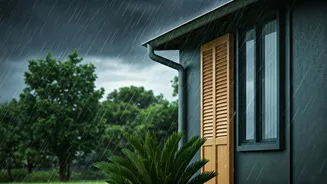
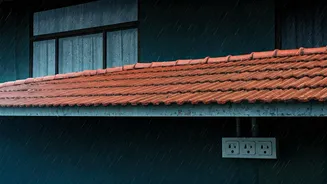
Your home's exterior is its armour against the monsoon's onslaught. Start with the roof. Look for any cracked, loose, or missing tiles and get them repaired immediately. A small leak can lead to major structural damage and mould growth. Next, inspect
your exterior walls for cracks. Fill them with waterproof sealant to prevent water from seeping in and causing damp patches on your interior walls. Finally, clear your gutters and drains of leaves, dirt, and other debris. Clogged drains are a primary cause of water-logging around the foundation and can lead to flooding in your terrace or balcony. A simple check now can save you from costly repairs later.
Seal Every Window and Door
Wind and rain can be a powerful duo, forcing water through the smallest of gaps. Inspect the seals around your windows and doors. Are the rubber gaskets worn out? Is the sealant cracking? Replace them to create a watertight barrier. For wooden windows and doors that tend to swell and get stuck during the monsoon, rubbing a candle or applying a coat of wax along the edges can help them move smoothly. If you have balconies or verandas, ensure the drainage outlets are clear and consider installing temporary shields or blinds for windows that face the direction of the wind and rain.
Combat Humidity and Mould
The biggest battle during the monsoon is often fought indoors against humidity. High moisture levels can lead to a musty smell, encourage mould growth, and damage clothes, books, and electronics. Ensure your home is well-ventilated by opening windows for a few hours on dry, sunny days. Use exhaust fans in kitchens and bathrooms. For wardrobes and closets, place moisture-absorbing products like silica gel pouches or even lumps of chalk or charcoal. A dehumidifier can be a great investment for particularly damp rooms. Regularly inspect corners, behind furniture, and inside cupboards for any signs of mould and clean it immediately with a vinegar-water solution.
Light Up When the Lights Go Out
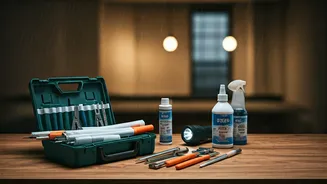
Power outages are a common feature of the rainy season. Don't be left in the dark. Prepare an emergency kit with essentials like a powerful torch or emergency light, spare batteries, a fully charged power bank for your phones, and a small first-aid kit. It's also a good time to get your home's electrical wiring checked by a professional. Faulty wiring combined with dampness is a serious safety hazard. Ensure all switches and sockets are working correctly and are properly insulated. If any part of your home floods, turn off the main power supply immediately to prevent electrocution.
Pest-Proof Your Sanctuary
As the outdoors get waterlogged, insects and other pests will seek shelter in your dry, cosy home. The monsoon is peak season for mosquitoes, cockroaches, termites, and even snakes in some areas. Ensure your window meshes have no holes. Seal any cracks or openings in walls, floors, and around pipes where pests can enter. Keep your kitchen and dining areas scrupulously clean and store food in airtight containers. Don't let water stagnate in or around your home, as this creates a breeding ground for mosquitoes. A little vigilance goes a long way in keeping your home a pest-free zone.
Care for Your Wooden Treasures
The high humidity can wreak havoc on wooden furniture, causing it to swell, warp, and even attract termites. Try to move your wooden pieces away from damp walls and leaky windows. Avoid mopping floors with excessive water near furniture legs. A good coat of wax polish or varnish before the monsoon begins can create a protective layer against moisture. Placing camphor or naphthalene balls inside wooden cupboards not only repels insects but also helps absorb excess moisture, protecting both your furniture and the clothes within.