
What Did Scientists Actually Find?
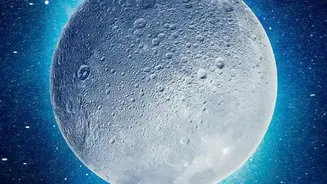
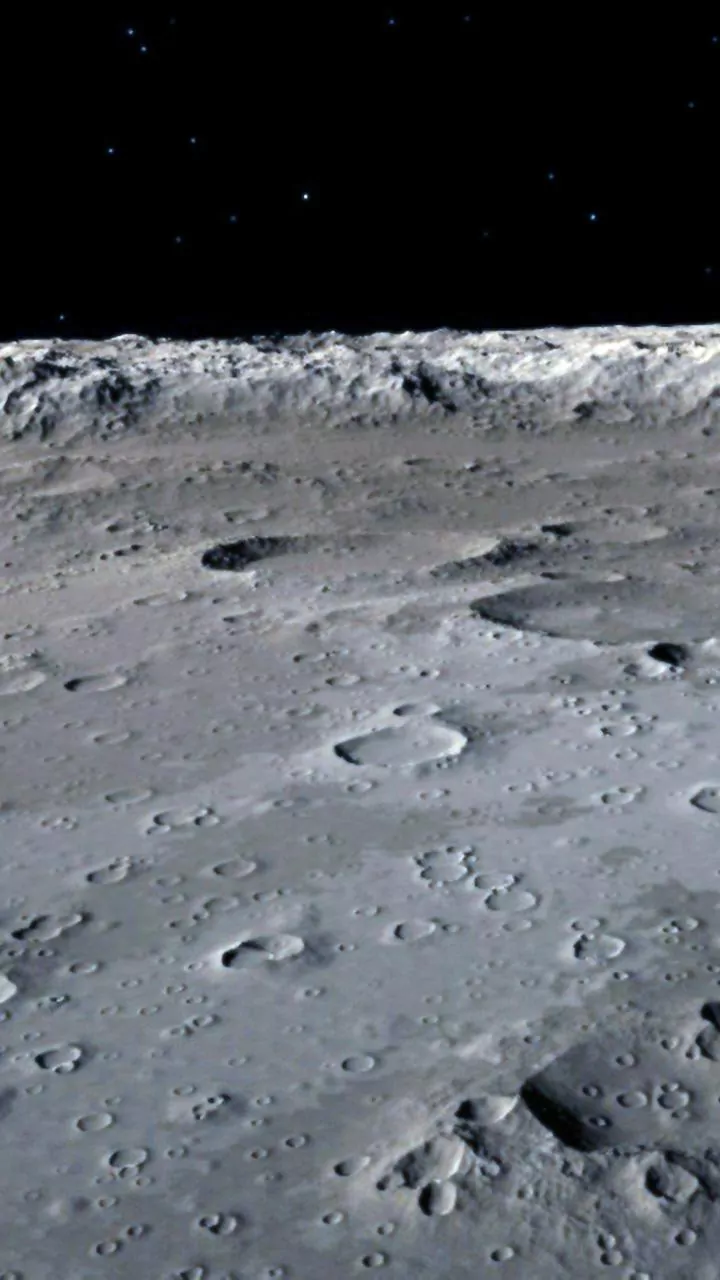
For years, scientists have suspected that water ice could be trapped in the frigid, permanently shadowed craters of the Moon's poles. Various missions, including India's Chandrayaan probes and NASA's Lunar Reconnaissance Orbiter, provided strong evidence
by detecting hydrogen, a key component of water. Now, new data from advanced spectrometers—instruments that analyse light to determine composition—have offered more definitive proof of water ice mixed in with the lunar soil, or regolith. Some studies, including recent analysis from Chandrayaan-2's radar, suggest these ice deposits are more stable and potentially more extensive than previously believed, buried underground but within reach of drilling technology. These are not vast, skating-rink-style sheets of ice, but rather ice crystals and chunks mixed into the soil. The key takeaway is that the water is there in meaningful quantities.
Why Is Water on the Moon a Game-Changer?
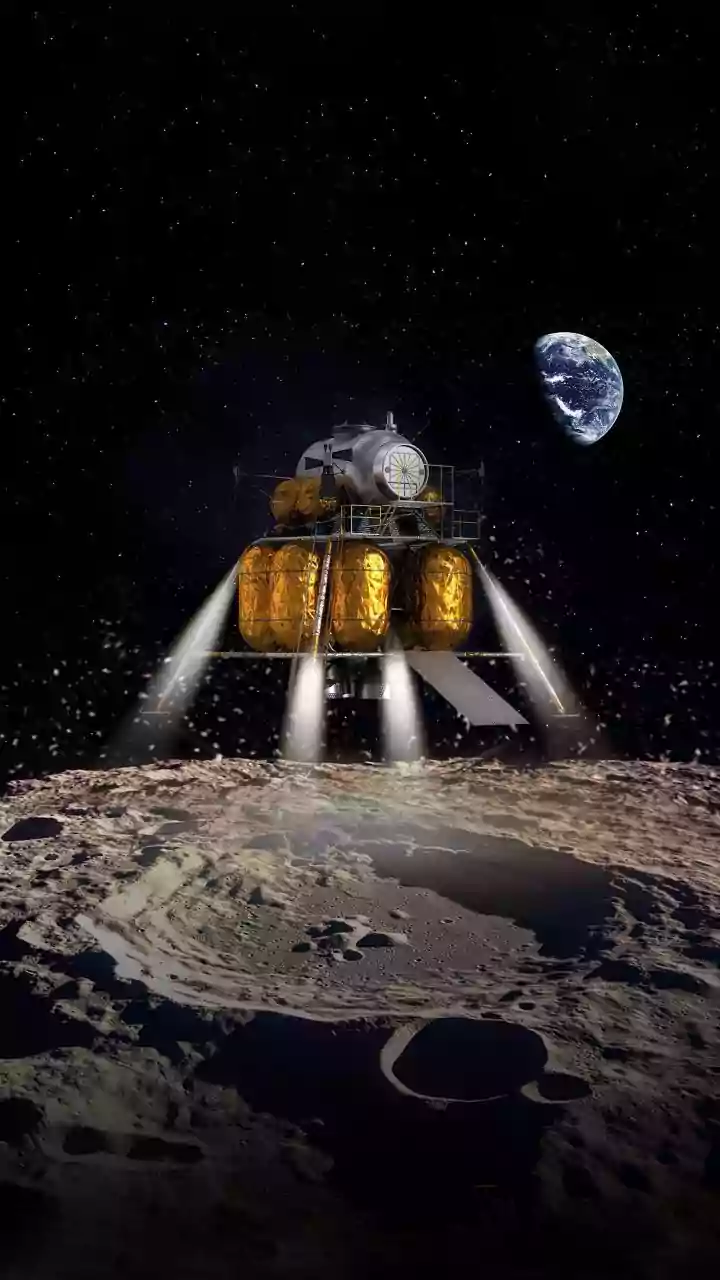
Finding water on the Moon is not just about giving future astronauts something to drink. Its true value lies in its potential as a locally sourced raw material, a concept known as in-situ resource utilisation (ISRU). Every kilogram of material launched from Earth costs thousands of dollars, so being able to 'live off the land' is crucial for establishing a sustainable human presence on the Moon. Water (H₂O) can be used for life support, including drinking and growing plants. More importantly, it can be split into its component parts: oxygen for breathing and hydrogen for rocket fuel. This capability transforms the Moon from a barren destination into a vital logistics hub and refueling station for more ambitious missions, like a journey to Mars.
What Does 'Accessible' Really Mean?
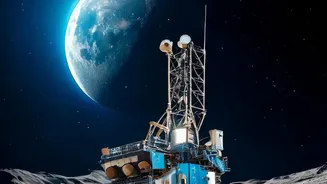
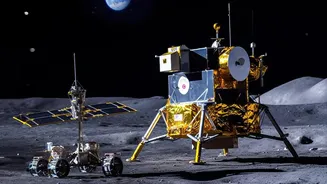
Accessibility is the crucial factor that elevates this from a scientific curiosity to a practical resource. The water ice appears to be concentrated in the lunar South Pole's permanently shadowed regions, where temperatures are cold enough to keep it frozen for billions of years. Recent studies suggest ice may exist in both large deposits deep in craters and in smaller, more widespread 'micro cold traps'. While some ice may be buried a meter or more beneath the surface, it is within the capabilities of robotic drills currently in development. Missions like the upcoming LUPEX rover, a joint effort by the space agencies of Japan and India with a NASA-provided Neutron Spectrometer System, are specifically designed to map these deposits and determine their exact depth and concentration. The goal is to find locations where the ice is plentiful and close enough to the surface to make extraction feasible.
The Business of Lunar Water
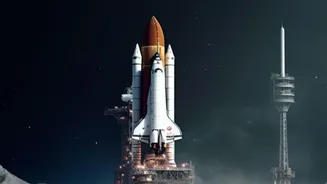
The confirmation of accessible water ice is accelerating plans for a commercial lunar economy. NASA’s Artemis program, which aims to land astronauts on the South Pole by 2028, is built around the idea of using lunar resources. But it's not just government agencies; private companies are also entering the race. Lockheed Martin has outlined a vision for a lunar economy centered on water utilisation. Startups are already securing funding to develop technologies for everything from regolith-harvesting rovers to water-powered space vehicles. While the United Nations Outer Space Treaty of 1967 forbids any nation from claiming ownership of the Moon, it does not explicitly prevent commercial operations, creating a new frontier for resource extraction and international policy.
What Are the Next Steps?
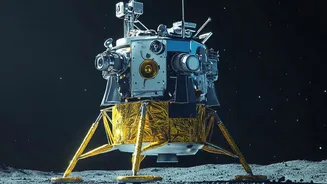
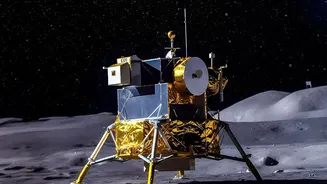
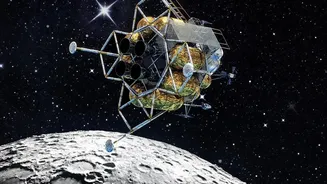
The immediate future is focused on prospecting. Several upcoming robotic missions are designed to get 'ground truth' data. NASA's VIPER (Volatiles Investigating Polar Exploration Rover) will be one of the first to directly analyse the ice by drilling into the lunar surface. The joint Japanese-Indian LUPEX rover will use a neutron spectrometer to hunt for hydrogen signatures below the surface. And new techniques are being developed, such as using the way seismic waves from 'moonquakes' travel through the ground to detect underground ice deposits without even drilling. These missions will create detailed maps of water resources, helping NASA and its commercial partners decide where to build the first long-term lunar base and begin the era of a sustained human presence on another celestial body.