

An Art Gallery Without Walls
This is not your typical museum visit. The sā Ladakh Biennale, billed as the world's highest regenerative art biennale, has turned a 200-kilometre corridor between Leh and Kargil into a breathtaking art trail. Running from August 1 to 10, 2026, the event
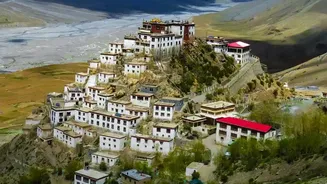
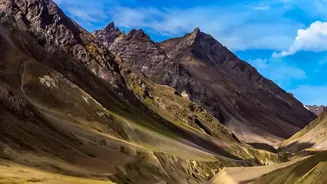
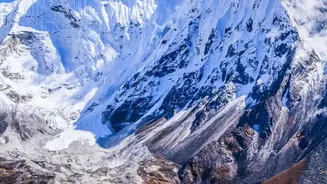
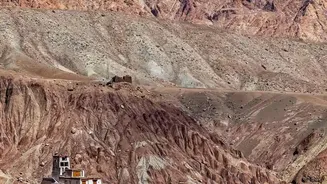
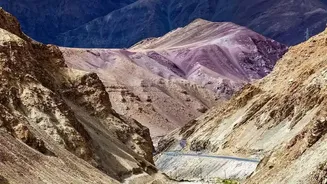
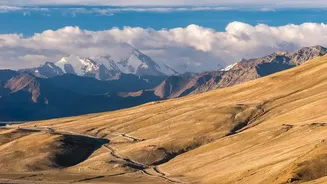
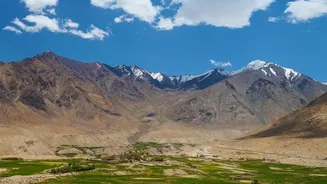
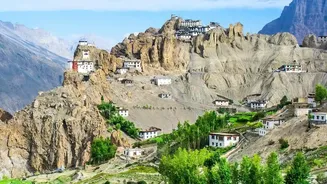
unfolds at altitudes above 3,000 metres, making the journey as much a part of the experience as the art itself. Instead of white-walled galleries, installations are set against the backdrop of ancient monasteries, remote villages, and the stark beauty of the Himalayan landscape. The exhibition is spread across eight key locations: Leh, Basgo, Likir, Nurla, Lamayuru, Henasku, Mulbekh, and Hunderman, each chosen for its unique cultural and historical significance.
The Vision: Soil and Sustainability
The name 'sā' means 'soil' in the Ladakhi language, a name that perfectly encapsulates the event's ethos. Founded in 2023 by mountaineer Tenzing 'Jammy' Jamyang, artist Raki Nikahetiya, and designer Sagardeep Singh, the biennale is a celebration of land art that is deeply connected to its environment. The core philosophy is 'climate optimism'. The artworks are crafted from locally sourced, biodegradable, and recycled materials, designed not to impose on the landscape, but to interact with it. This regenerative approach aims to create a dialogue about sustainability, ecology, and the relationship between communities and their fragile environment, leaving as little trace as possible.
Art That Tells a Story
The 2026 edition, themed "Signals from Another Star," brings together artists from Ladakh and around the globe. Their works are not just objects to be looked at; they are responses to the place itself. In Old Leh Town, for example, artist Jigmet Angmo reinterprets local folklore, while in Hunderman, Zahara Batool collaborates with local women artisans on a textile installation that speaks of community memory and repair. Other artists tackle pressing environmental issues. Stanzin Tsepel's work in Henasku visualises landscapes altered by climate change, while Skarma Sonam Tashi’s sculptures confront the fragility of human existence against the immense scale of the mountains. The trail itself becomes a narrative, weaving together culture, history, and pressing contemporary concerns.
The Adventure of Discovery
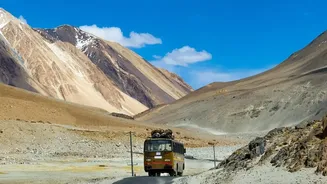
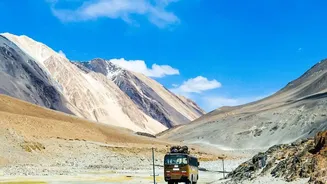
For visitors, the biennale offers a completely new way to experience Ladakh. It transforms a typical tourist trip into an adventurous cultural pilgrimage. The format is intentionally designed to encourage slow travel; there are no tickets or formal opening ceremonies, and visitors are encouraged to move between sites at their own pace. Reaching each of the eight sites involves a journey, turning the discovery of each artwork into a rewarding quest. This approach moves beyond the usual checklist of scenic spots, inviting travellers to engage more deeply with the region’s communities, traditions, and environmental challenges. The journey from Leh to Kargil becomes a canvas, with art waiting to be found in the most unexpected corners of the high-altitude desert.
A New Chapter for Ladakhi Creativity
Beyond being a unique attraction, the sā Ladakh Biennale is a vital platform for local talent. For years, many Ladakhi artists had to exhibit their work outside the region. This initiative brings the global art conversation to their doorstep, creating opportunities for collaboration and recognition. Artists like Skarma Sonam Tashi have gained international exposure, participating in events like the Venice Biennale, after their involvement with sā Ladakh. The biennale is more than a ten-day event; it's a long-term commitment to building a cultural institution rooted in its environment. By fostering local creativity and focusing on sustainable practices, it provides a model for how tourism can enrich, rather than harm, a fragile ecosystem.