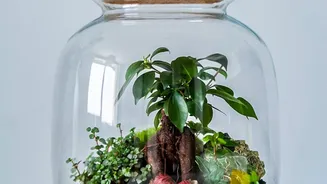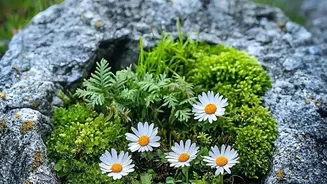


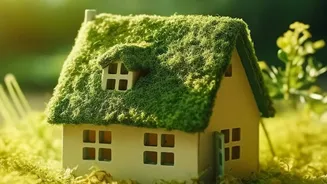
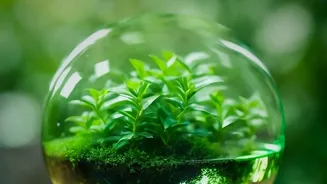
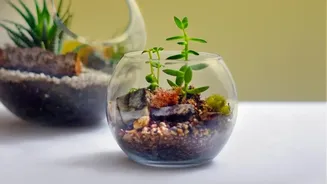
A lush, green moss garden brings a touch of serene nature into your home. But these miniature landscapes are not 'set and forget' decor. Keeping that vibrant, velvety texture requires understanding what moss truly needs to thrive indoors.
Understanding How Moss Lives
Before you can
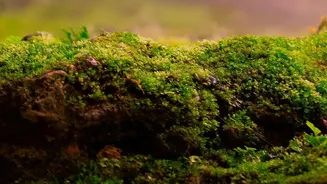
care for it, it helps to know that moss is fundamentally different from other houseplants. Mosses are non-vascular plants, which means they don't have roots to absorb water and nutrients. Instead, they soak up moisture directly through their leaves. This is why the environment around the moss—its humidity and surface moisture—is far more critical than the soil it sits on. In fact, many mosses thrive on nutrient-poor surfaces. When you decorate with moss, you're not just potting a plant; you're cultivating a miniature ecosystem that depends entirely on surface-level care.
The Crucial Role of Humidity
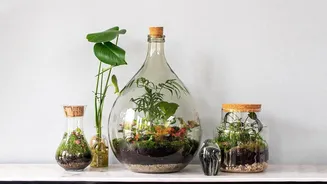
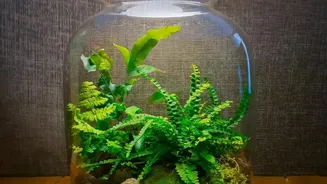
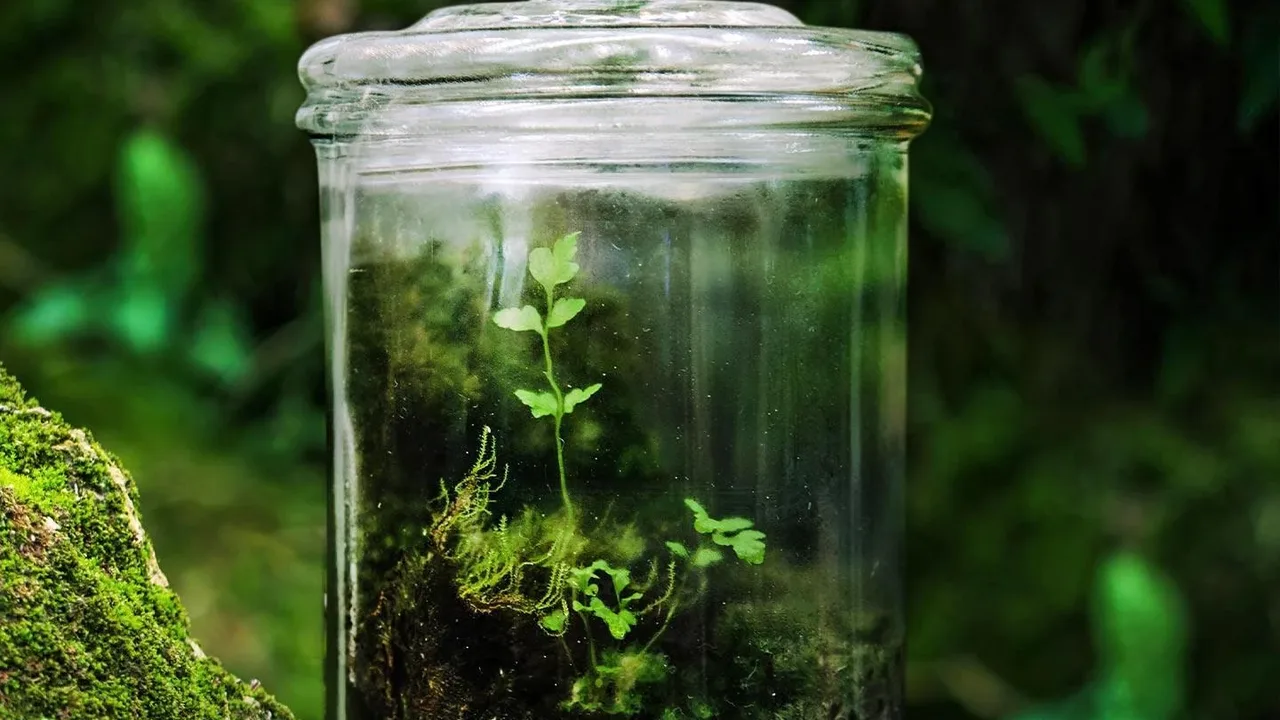
The single biggest challenge for indoor moss is the dry air in most homes. Moss thrives in high humidity. Without it, it will quickly turn brown and brittle. Enclosed containers like terrariums are excellent for trapping moisture and creating a self-sustaining humid environment. If your moss is in an open dish or pot, you'll need to provide that humidity yourself. Regular misting, once or twice a day, is essential. Using a spray bottle creates the fine droplets that moss prefers, keeping it consistently damp but not waterlogged. Placing the moss garden on a tray of pebbles with water can also help increase local humidity as the water evaporates.
Perfecting Your Watering Routine
While moss needs constant moisture, it's easy to overwater. The goal is 'damp', not 'soggy'. Standing water can lead to rot and mould, which can quickly kill your garden. The best practice is to mist the surface lightly whenever it begins to feel dry to the touch. The type of water you use also matters. Tap water in many areas contains chlorine and minerals that can build up and damage the delicate moss, causing it to turn brown. Whenever possible, use rainwater, distilled water, or filtered water for misting.
Getting the Light Just Right
In nature, moss is found in shady, cool spots on the forest floor. You need to replicate these conditions at home. Moss requires bright, but indirect, sunlight. Never place a moss garden in direct sun, as the intense light and heat will scorch it and cause it to dry out almost immediately. A spot near a north-facing window is often ideal. If you don't have a suitable window, moss also does very well under artificial light, such as a simple LED lamp, making it a versatile option for darker corners of your home.
Troubleshooting Common Problems
Even with diligent care, you might run into a few issues. If you see brown, dry patches, it's a clear sign of low humidity or too much light. Try moving it to a shadier spot and increasing your misting frequency. On the other hand, if you notice mould or a musty smell, it's likely due to poor air circulation and excessive water. If your garden is in a closed terrarium, open the lid for a few hours each week to let fresh air in. Should your moss go dormant and turn brown from drying out, don't give up hope. Many moss species are incredibly resilient and can revive. Soaking the moss for 10–20 minutes and returning it to a humid environment can often bring it back to a lush green.