





Pay Your Bill in Full, Not Just the Minimum
One of the most common mistakes is paying only the minimum amount due. While this keeps your account active, the remaining balance accrues high interest, often between 36-48% annually in India. This can quickly trap you in a cycle of debt. Making it a habit
to pay the entire outstanding balance each month ensures you avoid these hefty interest charges and truly benefit from the card's features. Set up auto-pay for the full amount to make this effortless and avoid late fees.
Keep Your Credit Utilisation Ratio Below 30%
Your Credit Utilisation Ratio (CUR) is the percentage of your total credit limit that you use. For instance, if your limit is ₹1 lakh, you should aim to keep your outstanding balance below ₹30,000. Lenders see a low CUR as a sign of financial discipline. Consistently high utilisation (above 50%) suggests a heavy dependence on credit and can negatively impact your CIBIL score, making it harder to get loans in the future. To manage this, you can spread expenses across multiple cards or request a credit limit increase from your bank while maintaining your spending levels.
Understand Your Billing Cycle
A credit card billing cycle is the period between two consecutive statements, typically lasting 28 to 31 days. Any purchases made within a cycle appear on that month's statement. The 'due date' is when your payment is required, usually 15-25 days after the statement is generated. This period between the statement date and due date is your grace period. To maximise your interest-free period, try making large purchases at the beginning of your billing cycle. This gives you more time to repay the amount without incurring interest.
Choose Rewards That Match Your Lifestyle
Credit card rewards are not one-size-fits-all. Some cards offer air miles, while others provide cashback on groceries, fuel, or online shopping. Before choosing a card, analyse your spending habits. If you're a frequent traveller, a travel-focused card makes sense. If most of your spending is on household expenses, a cashback card might be more beneficial. Also, pay attention to sign-up bonuses, which can provide a significant initial boost in points or cashback, but ensure you can meet the minimum spending requirement without overspending. Finally, keep track of your points and redeem them before they expire to avoid losing out on the benefits.
Review Your Monthly Statements Diligently
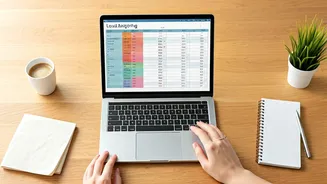
Many users ignore their monthly statements, but this is a critical mistake. Regularly reviewing your statement helps you track your spending, identify areas to cut back, and spot any fraudulent or incorrect transactions early. It also helps you stay aware of various fees, such as annual fees, finance charges, and late payment penalties, ensuring there are no surprises. Tallying your statement against your own expense log can provide a clear picture of your financial habits.
Avoid Using Your Card for Cash Withdrawals
Withdrawing cash from an ATM using your credit card should be reserved for absolute emergencies. Unlike regular purchases, cash advances do not have an interest-free grace period. Interest starts accruing from the moment you withdraw the cash, and these transactions also come with a hefty fee, often up to 3.5% of the amount withdrawn. This can make it a very expensive way to access cash. If you need funds urgently, a personal loan or other options are usually more cost-effective.