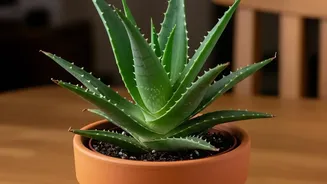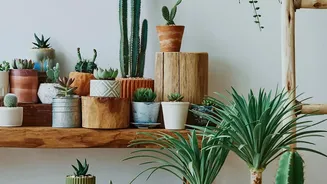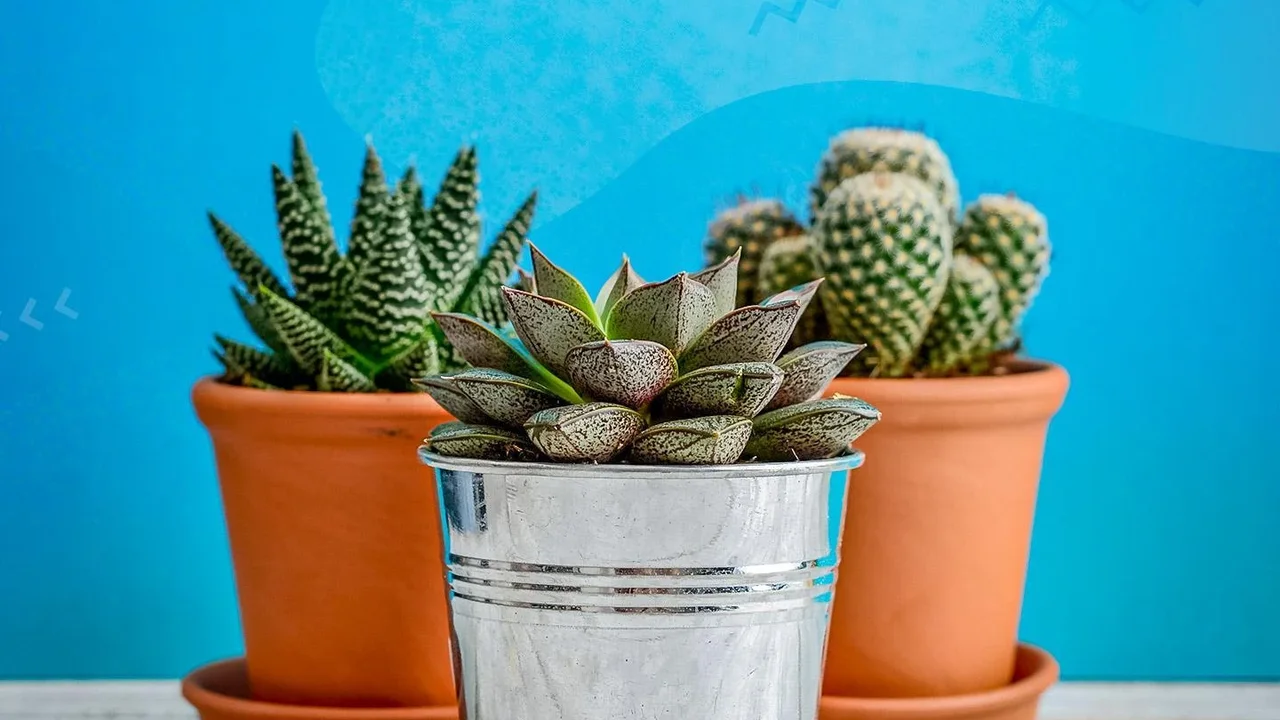

Caring for desert plants can be tricky, as they hate 'wet feet'. The humble terracotta pot offers an ancient, affordable solution that helps your succulents and cacti thrive by ensuring their soil dries out just right, mimicking their natural habitat.
The Secret Is in the Clay
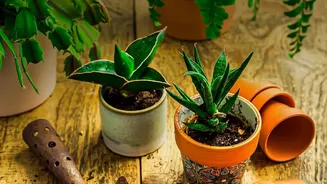
The magic of a terracotta pot lies in its material. 'Terracotta', which means 'baked earth' in Italian, is a type of unglazed clay. When fired at a relatively low temperature, the clay remains porous. Unlike plastic or glazed ceramic pots that trap moisture, the walls of a terracotta pot can breathe. This porosity allows both water and air to pass through the sides of the pot. Think of it as a built-in aeration system for your plant's roots. When you water your plant, the excess moisture doesn't just sit at the bottom; it also evaporates through the pot itself. This simple, natural process is the key to creating a healthier environment for plants that are sensitive to overwatering.
Why Even Drying Matters for Desert Plants
Desert plants like succulents, cacti, and aloes evolved in arid environments where rainfall is scarce and soil is gritty and fast-draining. Their root systems are not designed to sit in soggy soil. In a typical non-porous pot, water can create a damp, low-oxygen zone at the bottom, leading to the dreaded 'root rot'. This fungal disease is one of the most common reasons these otherwise hardy plants fail in home settings. A terracotta pot directly combats this problem. By allowing the soil to dry more quickly and, crucially, more evenly from all sides, it prevents the waterlogged conditions that allow rot to take hold. This mimics the natural wet-dry cycles these plants are adapted to, encouraging stronger, healthier roots and a more resilient plant overall. If you've ever struggled to keep a succulent happy, the pot you choose could be the single most important factor.
An Affordable and Timeless Choice
Beyond their functional benefits, terracotta pots are a win for your wallet and your home's aesthetic. They are one of the most inexpensive types of planters available, making them an excellent choice for new plant parents or anyone looking to pot a large collection without a significant investment. You can find them in a huge range of sizes at almost any garden centre. Their classic, earthy orange-brown hue provides a warm, natural look that complements the rustic beauty of desert plants and fits into nearly any decor style, from minimalist to bohemian. Over time, they may develop a white, chalky patina from minerals in the water, a look that many gardeners cherish as a sign of age and character, adding to their timeless appeal.
Tips for Using Terracotta
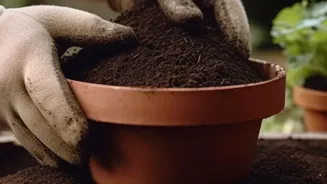
To make the most of your terracotta pots, a little prep work can go a long way. Before potting a plant, it is a good idea to soak the new pot in water for about 30 minutes. Because the clay is so absorbent, a dry pot can wick moisture away from the fresh soil and stress your plant's roots. Soaking it first saturates the clay, ensuring the plant gets the water it needs upon being repotted. Also, remember that the fast-drying nature of terracotta means you might need to water slightly more often than you would with a plastic pot, especially during hot, dry weather. The best strategy is to check the soil with your finger; when the top one to two inches feel completely dry, it's time to water again.
Are There Any Downsides?
While terracotta is fantastic for many plants, it's not without its drawbacks. The same porous nature that desert plants love can be a negative for tropical species that prefer consistently moist soil, as the pots can dry out too quickly for them. Terracotta is also more fragile than plastic or fibreglass and can be prone to cracking or shattering if dropped. In colder climates, water absorbed into the clay can freeze and expand, causing the pot to crack during winter if left outdoors. However, for indoor desert plants, these issues are minimal. For the specific needs of succulents and cacti, the benefits of breathability and moisture control far outweigh these potential disadvantages, making terracotta an enduring and highly recommended choice.