






The New Face of Credit in India
Walk into any cafe or scroll through social media, and you'll see India's Gen Z (those born between the mid-1990s and early 2010s) navigating a complex digital world. Their financial habits are no different. This generation is driving a massive shift
in India's credit landscape. They aren't just the target audience for new products; they are shaping them. Fintech companies and traditional banks alike are rolling out app-based, reward-heavy credit cards and 'Buy Now, Pay Later' (BNPL) schemes designed for a digitally native user. These aren't your parents' credit cards; they come with seamless UPI integration, instant approvals, and an experience built for a smartphone. The appeal is simple: they offer the convenience Gen Z expects, making credit accessible for everyday spending, from food delivery to online subscriptions.
The Golden Ticket: Building Your CIBIL Score
The single biggest advantage of getting a credit card early is the ability to build a credit history. In India, your CIBIL score is a three-digit number that tells lenders how reliable you are with money. A high score (typically above 750) is crucial for securing loans for major life events, like buying a car, a home, or funding higher education. Without any credit history, it's difficult for banks to assess you, which can be a roadblock. Using a credit card responsibly is one of the most effective ways to build this score from the ground up. By making small, regular purchases and, most importantly, paying the bill in full and on time every month, you demonstrate to credit bureaus that you are a responsible borrower. This creates a positive record that will pay dividends in the future.
The Slippery Slope: Repayment Risks
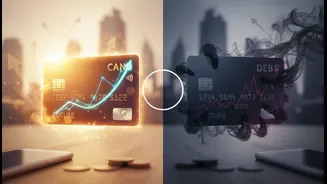
The same convenience that makes these cards appealing also makes them risky. The biggest danger is the accumulation of debt. Credit cards come with notoriously high annual interest rates, sometimes as high as 40% or more. If you only pay the 'minimum amount due' each month, the remaining balance accrues this high interest, quickly spiraling a small purchase into a much larger debt. This is a trap many young, first-time borrowers fall into. Recent data shows a worrying trend of rising credit card defaults among younger Indians. The culture of consumerism, fueled by social media and easy EMIs, can encourage overspending on non-essential items, leading to financial strain when bills pile up.
From BNPL to Credit: A Gateway to Debt?
The landscape is further complicated by the rise of BNPL services, which often act as a gateway to more formal credit products. These services break down purchases into smaller, seemingly manageable installments, lowering the psychological barrier to spending. While they can be useful, they also normalize the idea of borrowing for everyday consumption. Research shows that Gen Z borrowers who start with one credit product are highly likely to take on another within a year, creating a complex web of liabilities that can be hard to track. Experts warn of 'silent debt'—multiple small, unsecured loans from various apps that add up to a significant financial burden without the user fully realizing the total amount they owe.
How to Use Credit Cards the Smart Way
A credit card is a powerful tool, but it demands discipline. The first rule is to treat it like a debit card: don't spend money you don't have. Always aim to pay the entire bill, not just the minimum, before the due date to avoid interest charges. A great way to manage this is to set up an auto-payment for the full amount from your bank account. Secondly, keep your Credit Utilisation Ratio (CUR) low. This is the percentage of your total credit limit that you use. Experts recommend keeping it below 30%. For example, if your limit is ₹50,000, try not to have a balance of more than ₹15,000 at any given time. Finally, track your spending. Use the card's app to monitor your purchases and ensure you're staying within your budget.