





Your Brain on Greenery
There’s a scientific reason why being around plants feels good. It’s called the biophilia hypothesis, which suggests that humans have an innate tendency to connect with nature. For our ancestors, greenery signalled safety, food, and water. Today, even
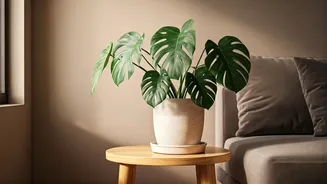
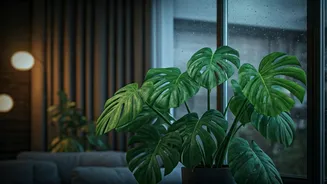
when we are stuck indoors, our brains are wired to respond positively to these same cues. Studies have shown that interacting with indoor plants can lower stress hormones like cortisol, reduce blood pressure, and create a sense of calm. Just having a few plants in a room can make the space feel more welcoming and restorative, fighting the feeling of confinement that often comes with a downpour. The simple act of seeing something alive and growing can lift your mood and make a space feel less static and more vibrant.
More Than Just a Pretty Leaf
Beyond their good looks, indoor plants are quiet workhorses. Many are excellent at purifying the air by absorbing common indoor pollutants like formaldehyde and benzene, which can be found in everything from paints to cleaning products. While you'd need a dense jungle to completely purify a room, every little bit helps create a fresher environment. A famous NASA study highlighted several houseplants that are particularly effective at this task. Cleaner air contributes to better focus, fewer headaches, and an overall improved sense of well-being. Moreover, the process of caring for a plant—watering it, checking its leaves, watching it grow—is a form of mindfulness. This simple routine can be incredibly grounding, pulling your attention away from worries and anchoring you in the present moment.
Best Green Companions for a Gloomy Day
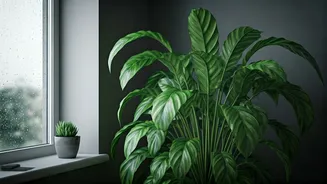
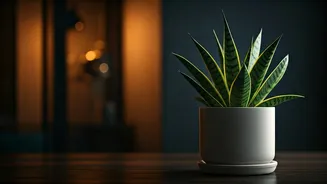
Choosing the right plant is key, especially during the monsoon when natural light can be limited. Thankfully, many popular houseplants thrive in the low-light conditions typical of Indian homes during this season. The Snake Plant is a champion of resilience, tolerating low light and infrequent watering while filtering the air. Similarly, the ZZ Plant, with its glossy, dark leaves, is nearly indestructible and perfect for beginners or dim corners. Pothos, or Money Plant, is a versatile favourite found in many Indian households, easily adapting to low light and happy to trail from shelves or hang in baskets. For a touch of elegance, the Peace Lily is a great choice; it tolerates shade and even produces beautiful white blooms, all while being a powerhouse of air purification.
Creating Your Indoor Sanctuary
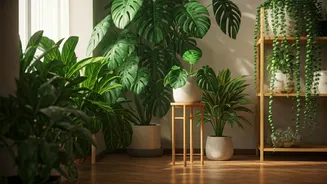
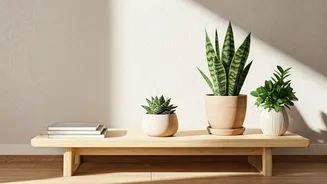
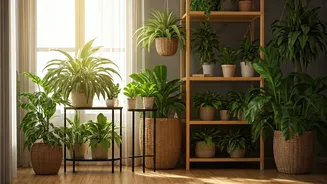
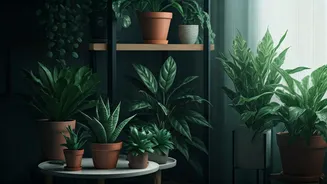
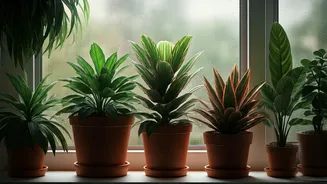
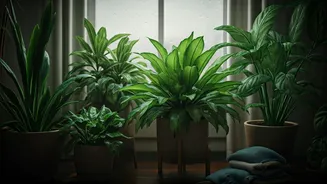
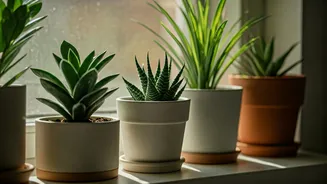
You don't need an entire forest to feel the benefits. Start small. A single plant on your desk or a cluster of small pots on a windowsill can make a noticeable difference. Consider the space: a trailing Pothos can soften the hard lines of a bookshelf, while an upright Snake Plant can add a touch of drama to a living room corner. Grouping plants of different heights, textures, and shades of green creates a more dynamic and natural look. The act of arranging your plants is part of the therapeutic process. It allows you to be creative and intentional about crafting a space that feels nurturing and alive. On a day when the world outside is a canvas of grey, your indoor garden becomes a personal, vibrant retreat that you’ve cultivated yourself.