




An Out-of-This-World Discovery
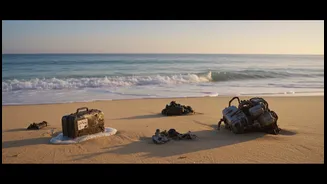
Over the past weekend, residents of Forrest Beach, a coastal community north of Townsville, discovered a series of strange objects on their shores. A total of six large, metallic, and somewhat spherical items were found scattered along the beach, sparking
immediate curiosity and concern. Authorities were quickly notified, and the unusual find set off a multi-agency response to identify the objects and ensure the public remained safe from any potential hazards. The discovery turned the tranquil beach into a hub of activity, with emergency crews and scientific experts descending on the scene.
The Official Response
Queensland's Fire and Rescue service, along with local police, acted swiftly. Suspecting the objects could contain hazardous materials, such as residual rocket fuel, they established a 50-metre safety exclusion zone around the debris. Emergency personnel in protective gear worked to secure the objects, carefully placing five of them into specialised drums for safe handling and transport. The Australian Space Agency (ASA) confirmed it was leading the effort to identify the debris, working alongside the National Emergency Management Agency. Officials urged the public not to touch or move any similar objects they might find, advising them to keep a safe distance and report it immediately.
What Are These 'Space Balls'?
The leading theory, now supported by the ASA, is that the objects are space debris. Specifically, they are believed to be pressure vessels from a foreign rocket body that recently re-entered Earth's atmosphere. These components, often called "space balls," are typically part of a rocket's fuel system. Made of tough titanium alloys with high melting points, they are one of the few parts of a spacecraft that can survive the intense heat of re-entry. One expert speculated they could be from a Russian Fregat rocket, which uses similar components, though the ASA is still working with international partners to formally confirm the exact launch vehicle and its country of origin. The concern about hazardous materials stems from the possibility that these tanks could contain leftover hydrazine, a highly toxic rocket propellant.
A Growing Sky-High Problem
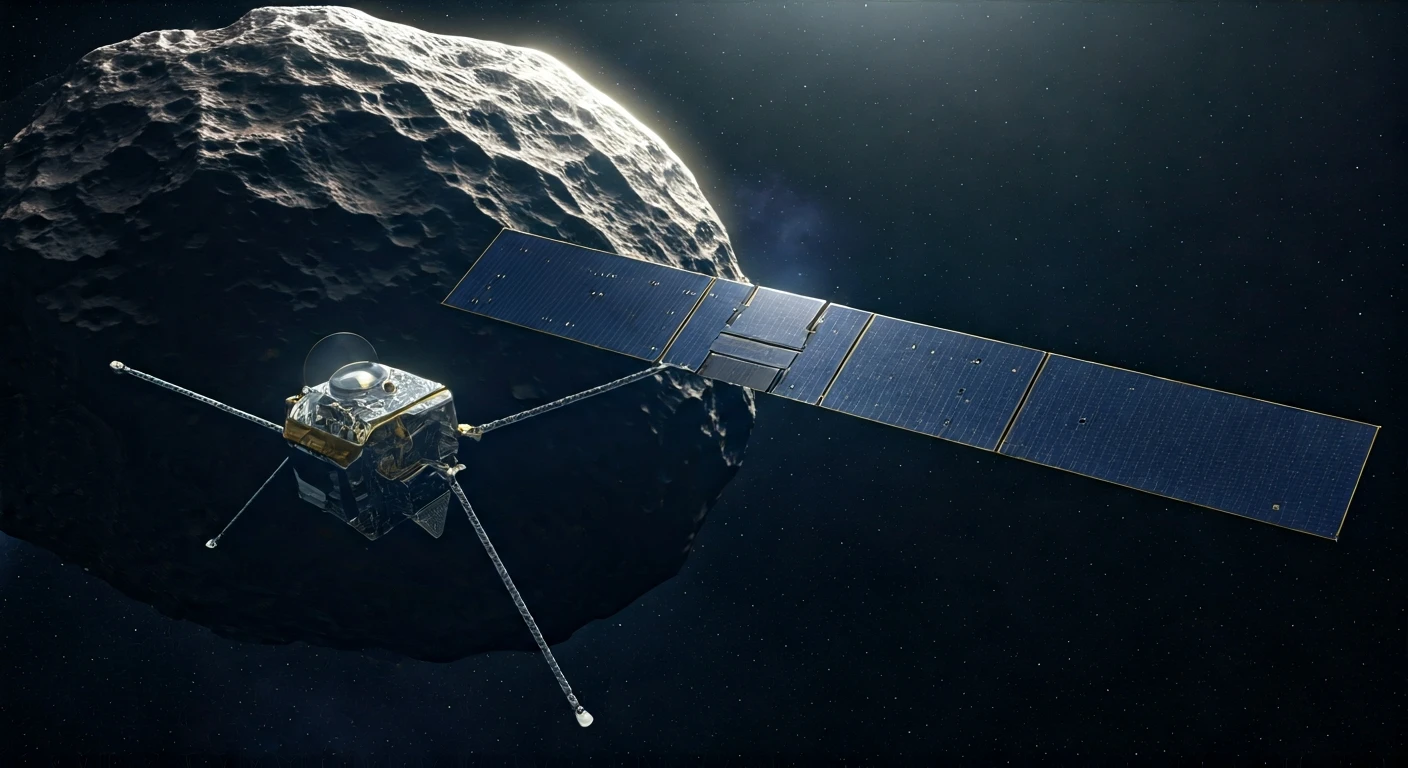
While finding rocket parts on a beach is rare, the issue of space debris is not. According to space archaeologist Dr. Alice Gorman, there are an estimated 30,000 pieces of trackable debris orbiting our planet, ranging from defunct satellites to spent rocket stages. With the number of space launches having increased more in the last five years than in all of history, the problem is growing exponentially. Most of this junk burns up upon re-entry. However, as the Forrest Beach incident shows, some pieces are durable enough to make it back to the surface. Incidents of space junk falling to Earth have been recorded before, such as when parts of NASA's Skylab space station fell over Western Australia in 1979. Fortunately, the chances of being struck are incredibly low; only one person is officially known to have ever been hit by a piece of space debris, and she was not injured.