



The Science of Silky Smooth
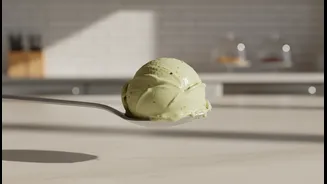
What makes traditional gelato so irresistible is its dense, velvety feel. Unlike ice cream, which can contain up to 50% air, gelato is churned more slowly, incorporating far less air (around 20-30%). This creates a richer, more concentrated flavour and
a signature silky consistency. The magic lies in a precise balance of milk, sugar, and a relatively low percentage of dairy fat (typically 4-8%). This fat content is just enough to create a creamy mouthfeel without coating the palate, allowing the core flavours to shine. It is this delicate structure that has proven so challenging to replicate without animal products.
The Plant-Based Predicament
Simply swapping cow's milk for a plant-based alternative is where many early vegan gelatos failed. Removing dairy fat and proteins disrupts the entire structural equation. Without the specific properties of milk fats, plant-based versions often become icy, grainy, or chalky. The water content in many nut or grain milks can easily form large ice crystals during freezing, leading to a gritty texture instead of a smooth one. For years, the only reliable dairy-free option was sorbet, which omits fat and creaminess altogether. But today's consumers expect more.
A Nationwide Craving for Dairy-Free
The push for better vegan gelato isn't just a niche trend; it's a reflection of a major market shift in India. Driven by rising health consciousness, awareness of lactose intolerance, and a growing vegan population, the demand for plant-based desserts is surging. The Indian vegan ice cream market was valued at over USD 70 million in 2023 and is projected to nearly double by 2031. Consumers are no longer satisfied with a single, often lacklustre, dairy-free option. They are seeking high-quality, indulgent treats that rival their dairy counterparts in every way, especially texture.
Cracking the Texture Code
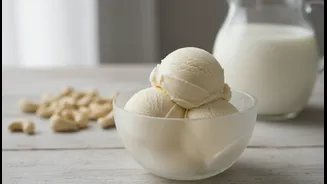
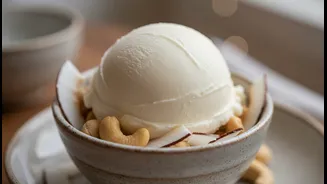
To solve the texture puzzle, gelato makers are turning into food scientists. The goal is to rebuild the structure that dairy provides using only plant-based ingredients. High-quality fats are crucial, with coconut oil, cocoa butter, and nut butters becoming star players. These fats help mimic the creamy richness of dairy. Blends of different plant-based oils are often used to achieve the optimal amount of solid fat needed for a smooth consistency. Beyond fats, makers are using innovative bases like oat milk and cashew milk, which offer a more neutral flavour and creamier profile than other alternatives. Furthermore, a range of natural stabilisers and emulsifiers, such as guar gum, carob seed flour, and soy lecithin, are employed to bind water and prevent ice crystal formation, ensuring a velvety finish.
Beyond Imitation to Innovation
The most exciting part of this trend is that the best vegan gelato doesn't just imitate dairy; it stands on its own. Artisans are using the unique properties of plant-based ingredients to create entirely new flavour experiences. An oat milk base can provide a subtle, wholesome backdrop for delicate flavours, while a rich coconut cream can enhance tropical notes like mango or passionfruit. Plant-based proteins from nuts and peas are also being used not just to improve nutrition but to contribute to a richer texture. The result is a new generation of frozen desserts that are inclusive, inventive, and, most importantly, delicious in their own right.