





An Anxious Eye on the Sky
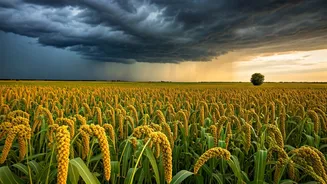
The Southwest Monsoon is the lifeblood of the Indian economy, delivering about 70% of the country's annual rainfall. [5] It's critical for agriculture, which supports nearly half the population. [5] However, climate change and weather phenomena like El
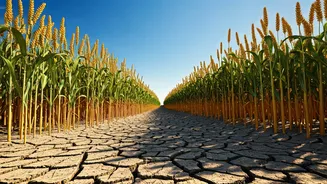
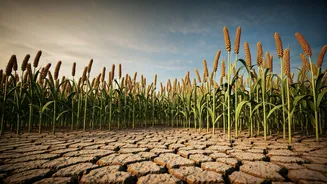
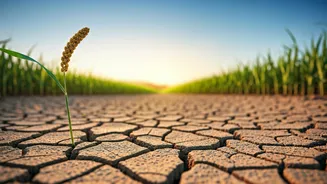
Niño are making the monsoon more unpredictable. As of late June 2026, India is grappling with a significant rainfall deficit, with rains about 43% below average. [5] This has raised serious concerns about crop yields, water reservoir levels, and the overall economic health of the nation. [9] In response, the government is preparing contingency plans for over 300 districts vulnerable to low rainfall, highlighting the urgent need for a more resilient agricultural strategy. [7, 13]
Enter the Climate-Smart Grain
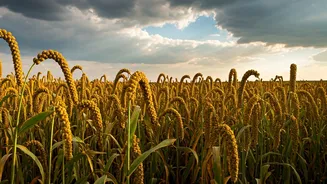
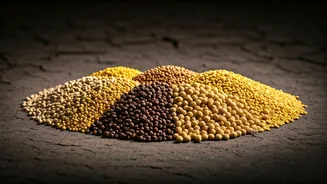
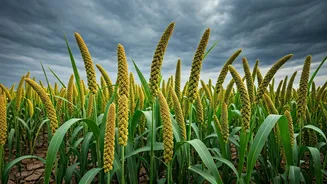
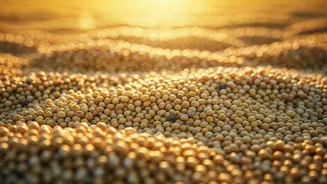
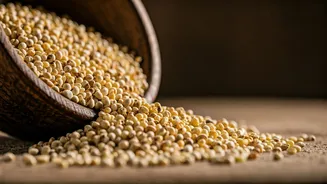
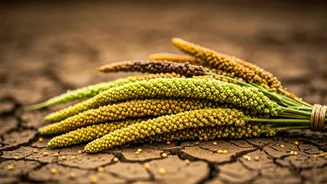
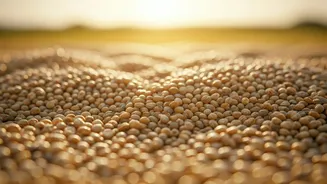
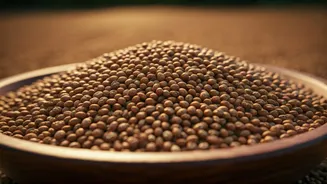
This is where millets—a group of hardy cereals including jowar (sorghum), bajra (pearl millet), and ragi (finger millet)—come into focus. [2] Often called nutri-cereals, these grains are uniquely suited to India's changing climate. [4] Their most significant advantage is their low water requirement; millets consume 70-80% less water than rice. [3, 11] Some estimates suggest that replacing rice cultivation with millets could reduce irrigation water demand by up to 33%. [26] They are typically rain-fed crops that can thrive in arid conditions, high temperatures, and less fertile soil, making them a climate-smart choice for farmers in water-stressed regions. [4, 11]
A Nutritional Powerhouse
Beyond their agricultural benefits, millets offer a powerful nutritional punch. [11] In a country tackling malnutrition, these grains are a game-changer. [4] They are packed with protein, fibre, vitamins, and essential minerals. [14, 27] For instance, ragi is a fantastic source of calcium, containing almost ten times more than rice. [3] Bajra is rich in iron, crucial for fighting anaemia, while jowar is loaded with antioxidants. [2] With a low glycemic index, they are also beneficial for managing diabetes. [4, 14] The Green Revolution, while ensuring food security, led to a dominance of rice and wheat, which inadvertently pushed these nutrient-rich grains aside. [4, 24] Reviving them can help address micronutrient deficiencies in the Indian diet. [24]
A Push from the Government
Recognising this immense potential, the Indian government has been actively promoting millets. Building on the momentum of the "International Year of Millets" in 2023, several initiatives are in place. [11] Schemes like the Production Linked Incentive Scheme for Millet-based Products (PLISMBP) encourage food producers to create value-added items like ready-to-eat snacks and mixes, making millets more convenient for urban consumers. [20, 28] There is also a push to include millets in the Public Distribution System (PDS) and mid-day meal programs, creating a stable demand that benefits farmers. [31] In early 2026, the government also unveiled a comprehensive Millet Export Promotion Plan to brand India as a leading global supplier. [8]
The Road Ahead: Challenges to Overcome
Despite the clear advantages, a widespread shift to millets faces hurdles. Decades of policy have favoured rice and wheat, creating a deep-rooted system of MSP, procurement, and consumer habits that is hard to change. [3, 4] Many farmers are hesitant to switch due to concerns about market linkages, price volatility, and a lack of access to high-yielding seed varieties. [4, 15] Consumer demand, though growing, is still low compared to refined grains, with fewer than 10% of households consuming millets regularly. [3] Overcoming these challenges requires a sustained, multi-faceted approach involving better price support for farmers, developing an efficient value chain for processing, and continued public awareness campaigns to mainstream millets onto the Indian plate. [17, 24]