





As smog and poor air quality become a persistent concern, parents of children with asthma face a critical challenge. Choosing the right pollution mask is more than just a purchase—it's a vital health decision. This guide will help you navigate the choices.
Why Asthma Demands Extra Protection
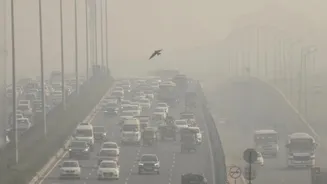
For any child, air pollution is a health risk, but for those with asthma, it’s a direct trigger for severe symptoms. Pollutants like fine particulate matter (PM2.5), commonly found in haze, smoke, and vehicle exhaust, can inflame a child's already sensitive airways. Children are particularly vulnerable because their lungs are still developing, and they breathe more rapidly than adults, inhaling a larger volume of pollutants relative to their body weight. This exposure can lead to more frequent and severe asthma attacks, increased coughing and wheezing, more emergency room visits, and a long-term reduction in lung function. A high-quality mask acts as a crucial barrier, reducing the amount of these harmful particles that reach the lungs.
Decoding Mask Ratings: N95 vs. N99
When browsing for pollution masks, you'll encounter ratings like N95, KN95, and N99. These aren't just arbitrary numbers; they indicate the mask's filtration efficiency. A certified N95 mask is designed to filter out at least 95% of airborne particles as small as 0.3 microns, which includes the dangerous PM2.5 particles. An N99 mask filters up to 99%. For most urban pollution scenarios, an N95 or equivalent (like a KN95 or FFP2) provides a very effective level of protection. While an N99 offers slightly more filtration, it can also be harder to breathe through, which is a significant consideration for a child, especially one with asthma. Simple cloth or surgical masks are generally not effective at filtering these fine pollution particles and should not be relied upon for protection against poor air quality.
The Golden Rule: Fit is Everything
The most effective filter in the world is useless if the mask doesn't seal properly to your child's face. Air will simply follow the path of least resistance, flowing in through gaps around the nose and cheeks. A well-fitting mask must cover the nose, mouth, and chin completely without leaving significant gaps. Look for masks designed specifically for children's smaller faces. Key features that ensure a good seal include a flexible, mouldable nose clip and adjustable ear loops or head straps. To check the fit, ask your child to talk or move their head; the mask should stay in place. If their glasses fog up or you can feel air escaping from the sides, the fit is not secure.
Balancing Filtration and Breathability
For a child with asthma, the ease of breathing through a mask is just as important as its ability to filter pollutants. A mask with very high filtration can sometimes create more breathing resistance, which may be uncomfortable or even distressing. The goal is to find a mask that strikes a balance. Many modern masks use advanced materials and electrostatic filtration to capture particles without severely restricting airflow. Some masks come with exhalation valves, which are oneway vents that open when the wearer breathes out, reducing heat and moisture buildup. While these were discouraged during the COVID‑19 pandemic because they don't filter exhaled air, they are generally suitable for pollution protection and can significantly improve comfort for children. However, always consult with your child's doctor before choosing a mask, as they can provide advice tailored to your child's specific condition.
A Checklist for Choosing the Right Mask
When you're ready to choose, keep these points in mind:
1.
Certification:
Look for masks rated N95,
KN95,
or FFP2.
2.
Child‑Specific Size:
Do not use a scaled‑down adult mask.
Find one that is manufactured for a child's facial structure.
3.
Adjustability:
A mouldable nose wire and adjustable straps are non‑negotiable for achieving a proper seal.
4.
Comfort:
The material should be soft and non‑irritating.
A mask that's uncomfortable will be constantly adjusted or removed,
defeating its purpose.
5.
Test It Out:
If possible,
buy a small pack of a few different types so your child can find one that feels best for them.
Beyond the Mask:
A Holistic Approach
A mask is an essential tool,
but it's part of a broader strategy to protect your child.
Pay attention to the daily Air Quality Index (AQI).
On days when pollution is very high (often when the AQI is over 100),
it's best to limit outdoor activities,
especially strenuous exercise.
Try to plan outdoor play for the morning when air quality is often better.
Using a HEPA air purifier at home can also dramatically improve indoor air quality,
creating a safe haven from outdoor pollution.
Finally,
ensure your child's asthma action plan is up to date and that they always have their prescribed rescue inhaler readily available.