
From Avocado Toast to Ancestral Grains
Not long ago, the path to wellness seemed paved with ingredients from faraway lands. Urban pantries were stocked with items that were often difficult to source and even harder on the wallet. However, there is a growing recognition that true health doesn't
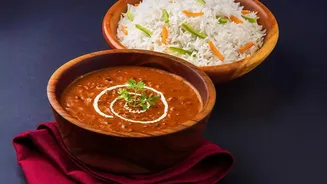
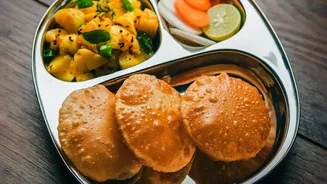
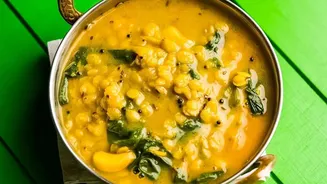
need to be imported. The focus is now turning inward, toward the dals, vegetables, and grains that have nourished generations. This is not just about nostalgia; it's a practical, sustainable choice driven by a deeper understanding of nutrition. Experts and home cooks alike are realising that a well-balanced traditional Indian meal, with its emphasis on fresh produce, whole grains, and powerful spices, offers a holistic approach to health that is both accessible and deeply familiar.
The Mighty Return of Millets
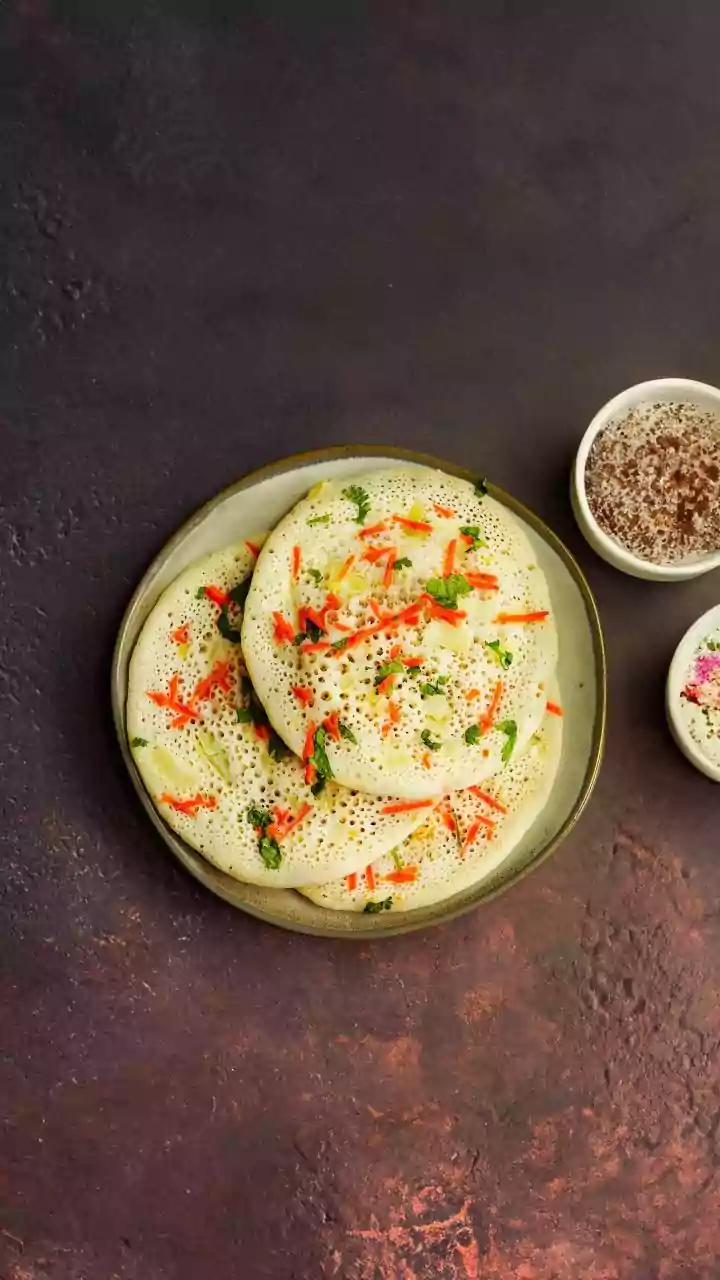
At the forefront of this culinary homecoming are millets. Once dismissed as a 'forgotten crop', grains like jowar, bajra, and ragi are experiencing a major revival. Supported by government initiatives and a growing awareness of their health benefits, millets are no longer confined to regional kitchens. They are appearing in everything from breakfast cereals and dosa mixes to cookies and bread. Their high-fibre content, low glycemic index, and resilience as a crop make them a perfect fit for modern health concerns, from managing diabetes to promoting sustainable agriculture. This resurgence signals a broader trend: the rediscovery of India's own 'superfoods' that are both nutrient-dense and eco-friendly.
Good Fats and Gut-Friendly Wisdom
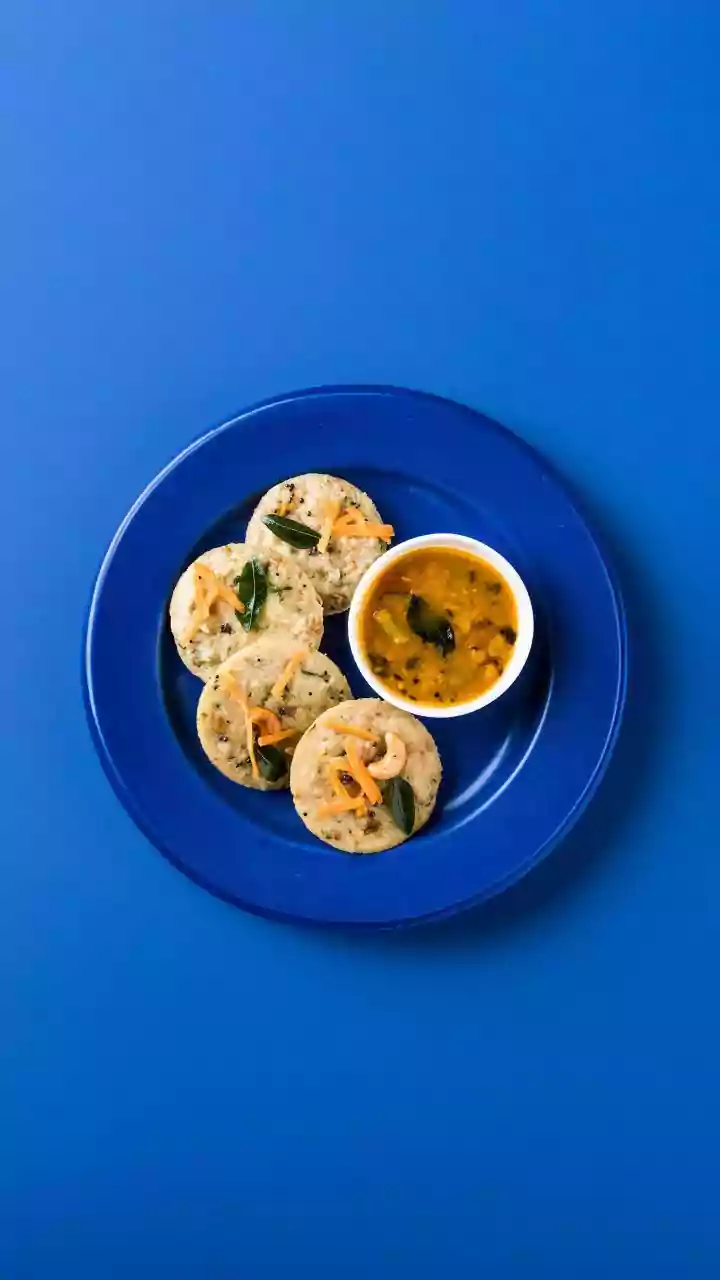
The movement also involves rehabilitating ingredients that were once unfairly maligned. Ghee, for instance, is no longer viewed as a dietary villain but is celebrated for its healthy fats and digestive benefits. Similarly, the conversation around gut health is moving away from complex supplements and toward traditional fermented foods. Everyday staples like dahi, idli, and homemade pickles are being recognised for their probiotic power, which supports a healthy gut microbiome and overall immunity. This shift emphasizes balance and the wisdom inherent in traditional food preparation methods, which often enhance nutritional value and aid digestion naturally.
The Digital Dabba: How Social Media is Fuelling the Trend
This return to roots is being amplified in the digital age. Social media platforms are buzzing with food bloggers, nutritionists, and home chefs who champion traditional Indian cuisine. They share recipes, demystify ancient ingredients, and showcase the rich culinary heritage of different regions. Instagram and YouTube have become virtual kitchens where a new generation is learning to cook the dishes their grandmothers perfected, but with a modern understanding of their health benefits. This online community has been instrumental in turning personal kitchen experiments into a nationwide movement, making traditional food cool, accessible, and aspirational again.