
Beyond the Usual Suspects
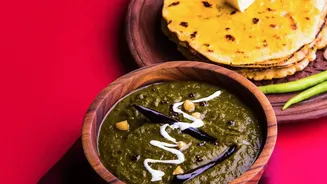
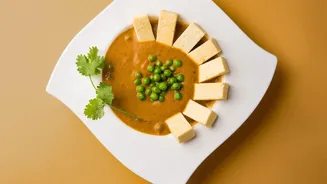
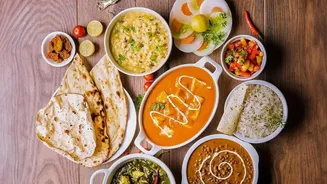
For decades, the perception of Indian food, both at home and abroad, was shaped by a handful of popular dishes. While delicious, this representation barely scratched the surface of the subcontinent's immense culinary diversity. Today, that narrative is changing.
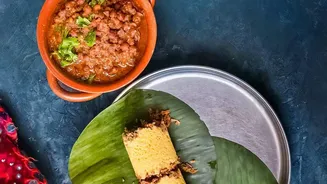
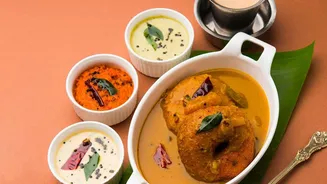
A movement driven by immense pride in local heritage is taking hold in contemporary kitchens. Chefs are acting as culinary archivists, travelling to remote villages, exploring local markets, and studying ancient techniques to unearth flavours that have been overlooked by the mainstream. This shift is moving the focus from generic pan-Indian menus to ones that celebrate specific terroirs, communities, and traditions.
The Millet Movement and Forgotten Gems
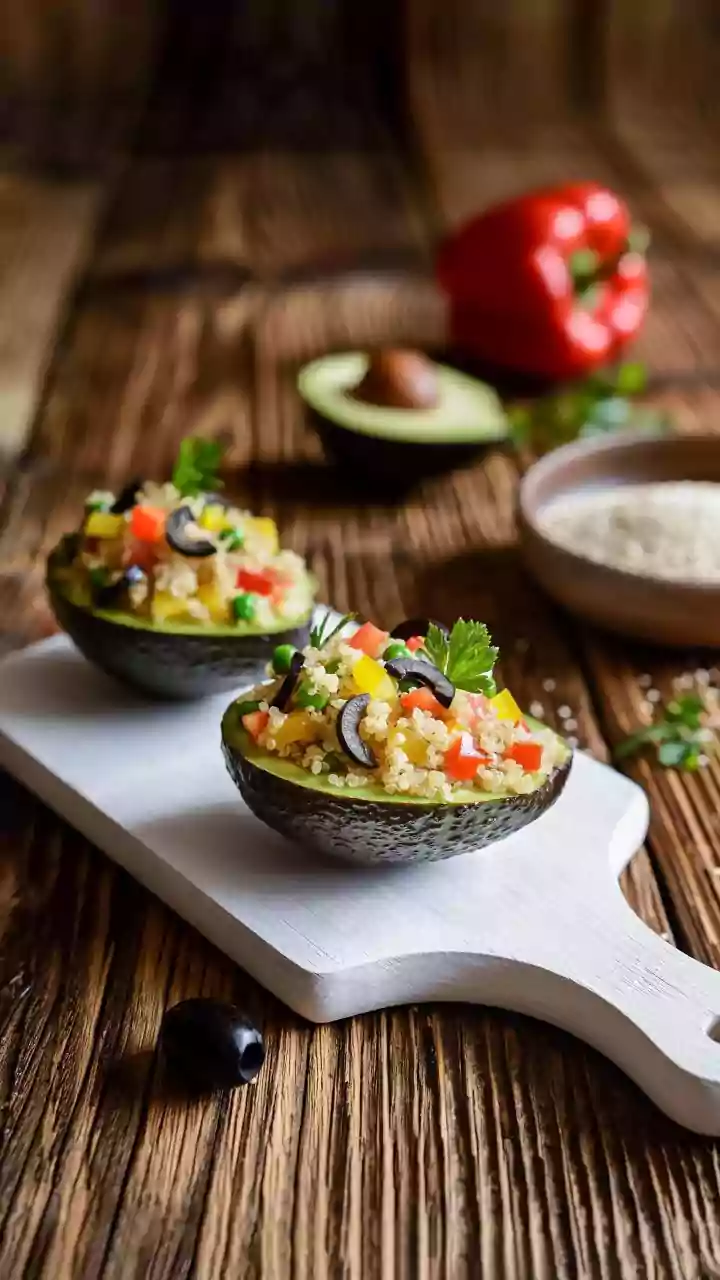
At the forefront of this revival are ingredients that were once staples in traditional homes. Millets, for instance, are experiencing a major comeback. Long considered 'old-school' grains before rice and wheat dominated Indian plates, varieties like bajra, jowar, and ragi are now being celebrated for their versatility and nutritional benefits. Modern chefs are using them in everything from artisan breads and salads to sophisticated desserts, completely rebranding them for a new generation of diners. But the treasure hunt doesn't stop there. Ingredients like the Mahua flower from Central India, the GI-tagged Tree Tomato (Tamarillo) from Nagaland, and crunchy winter tubers like Sohphlang from Meghalaya are making their debut on fine-dining menus. These ingredients bring with them unique flavours—smoky, tart, and nutty—and powerful stories of the communities that have cultivated them for centuries.
Chefs Championing Heritage
This culinary renaissance is being led by visionary chefs who are passionate about showcasing India's authentic flavours. Chef Prateek Sadhu, for example, opened Naar, a destination restaurant in Himachal Pradesh, to focus exclusively on Himalayan cuisine, using ingredients like Himachali yak cheese and foraged greens. In Bengaluru, Chef Sombir Choudhary's Kalpaney reimagines nostalgic vegetarian dishes, turning dal dhokli into a refined tagliatelle with kokum dal. These chefs are not simply replicating old recipes; they are reinterpreting them with modern techniques while preserving their soul. Their work proves that Indian food can be both deeply traditional and globally sophisticated, a philosophy that is earning critical acclaim and putting regional Indian cuisine on the world map.
A Craving for Authenticity
So, why is this happening now? The trend is fuelled by a perfect storm of factors. Diners, especially a younger generation shaped by travel and social media, are more curious and adventurous than ever. They are actively seeking authentic experiences and want to know the story behind their food—where the ingredients come from and the cultural context of a dish. There's also a growing wellness consciousness, with a renewed appreciation for the health benefits of indigenous grains and seasonal produce. This has created a fertile ground for chefs to move beyond imported 'luxury' ingredients and instead find inspiration in their own backyards. This shift represents a newfound confidence in presenting Indian food with honesty and pride.
The Future Tastes Local
The embrace of regional ingredients is more than just a passing trend; it's a fundamental redefinition of modern Indian cuisine. By highlighting ingredients like the smoky Naga King Chilli, the sour Kodampuli from Kerala, or the vividly coloured Kashmiri chili, chefs are expanding the very definition of what Indian food can be. This movement ensures the preservation of culinary knowledge and biodiversity that might otherwise be lost. It connects diners to the land and the communities that have stewarded these ingredients for generations. As restaurants continue to celebrate this incredible diversity, the future of Indian dining looks set to be more regional, more sustainable, and more delicious than ever before.