






Become a Daily Weather Watcher
The most crucial habit for monsoon travel is staying relentlessly informed about the weather. This goes beyond a casual glance at a forecast. Make it a daily ritual to check the India Meteorological Department (IMD) website for detailed bulletins and
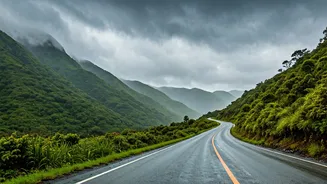
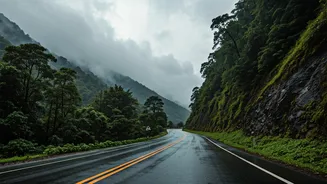
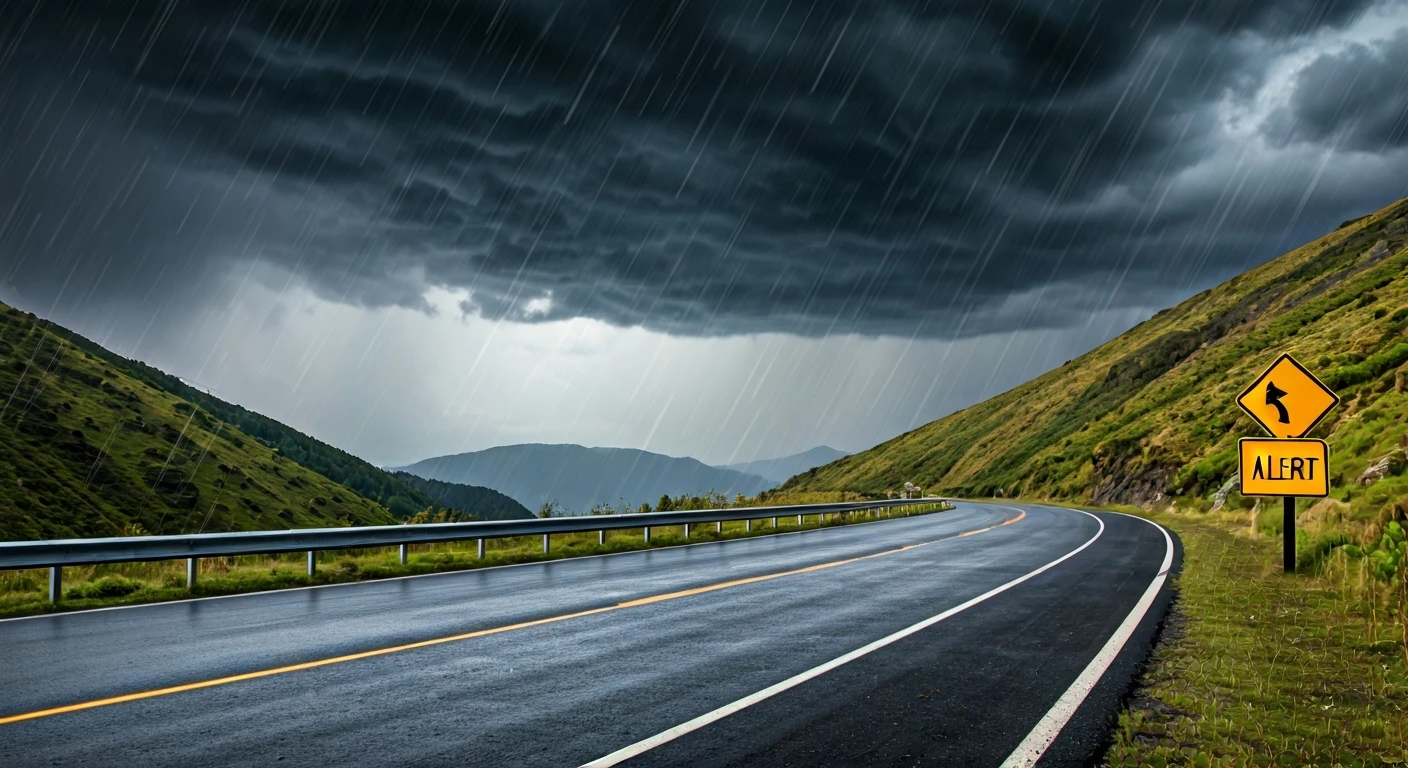
warnings, especially for your specific destination. The IMD issues colour-coded alerts (red, orange, yellow) for heavy rainfall, thunderstorms, and other severe weather, which can help you anticipate disruptions. These alerts are critical, as conditions can change rapidly, leading to flash floods or landslides, particularly in hilly regions like Uttarakhand and Himachal Pradesh. Local news apps and websites are also invaluable for real-time updates on road closures and waterlogging in cities like Mumbai. This proactive habit allows you to make informed decisions daily, whether it's altering your route or postponing a day trip.
Prioritise Flexibility Over a Rigid Itinerary
During the monsoon, travel is often unpredictable. Flights can be delayed or cancelled due to poor visibility and strong winds, with delays increasing by up to 40% at major airports like Mumbai and Delhi. Road travel is equally susceptible to disruption from waterlogged highways, landslides blocking mountain passes, and bridge collapses. The wisest habit to adopt is to build flexibility into your schedule. Avoid booking tight connections, especially between international and domestic flights. Instead of a packed, minute-by-minute itinerary, plan for buffer days. This mental shift from a rigid schedule to an adaptable one reduces stress and allows you to find alternatives, like exploring an indoor museum or enjoying the rain from a cosy cafe, when your original plans are derailed.
Adopt a Cautious Driving Mindset
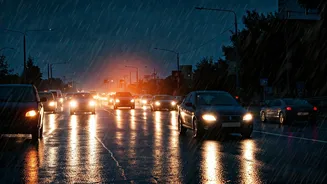
If you're driving, the monsoon demands a completely different approach to being behind the wheel. Reduce your speed significantly, as braking distances increase on wet roads and the risk of hydroplaning—where your tyres lose contact with the road—is high. Maintain a greater following distance from the vehicle ahead. Before you even start your journey, get into the habit of performing a quick vehicle check: ensure your tyres have adequate tread, your brakes are responsive, and your wipers are in good condition. Use low-beam headlights for visibility, as high beams reflect off rain and can impair vision for you and other drivers. Critically, avoid driving through waterlogged streets. It's impossible to gauge the water's depth or see hidden potholes, and stalling your car in deep water can lead to catastrophic engine damage.
Rethink Your Packing and Wardrobe
Monsoon travel isn't about packing more; it's about packing smarter. Prioritise lightweight, synthetic, quick-drying clothes over cotton and denim, which stay damp for days in high humidity. Darker colours are a practical choice to hide mud splashes. Your footwear choice is paramount: opt for waterproof sandals or floaters with good grip instead of closed shoes that trap water or flip-flops that can be slippery. Waterproofing your belongings is a non-negotiable habit. Use waterproof bags or dry sacks for electronics, documents, and a spare set of clothes. A high-quality poncho is often more effective than an umbrella in windy conditions and can cover your backpack as well.
Practice Vigilant Health and Hygiene
The rainy season sees a spike in water-borne and vector-borne diseases. Make it a habit to be extra cautious about what you eat and drink. Avoid street food, pre-cut fruits, and raw salads, as the risk of contamination is high. Drink only bottled, boiled, or purified water. Mosquitoes thrive in stagnant water, increasing the risk of diseases like dengue and malaria. Use a reliable insect repellent, wear long-sleeved clothing, especially in the evenings, and consider sleeping under a mosquito net. Fungal infections are also common due to dampness. Always change out of wet clothes and shoes promptly and dry your feet thoroughly.