


North Kolkata: The City's Historic Heart
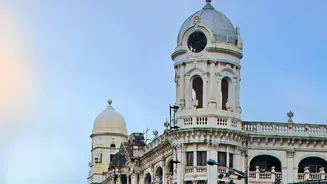
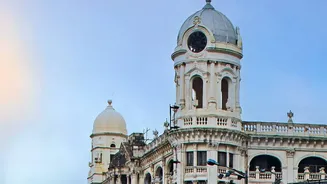
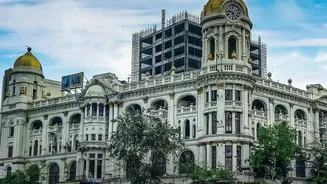
A journey into North Kolkata is a step back in time. This is the city's old centre, a labyrinth of narrow lanes dominated by century-old buildings and aristocratic mansions. While some facades are weathered by time, they hold stories of the Bengali Renaissance
and the city's intellectual zenith. This area was the hub for India's freedom struggle, and many corner tea stalls and snack shops date back to that revolutionary era. The best way to experience it is to simply wander, soaking in the atmosphere of a district that fiercely guards its cultural heritage and gives you a true sense of old Calcutta. Look for the grand 'Thakur Baris' (family homes of the landed gentry), like the ancestral home of Rabindranath Tagore at Jorasanko, which offer a glimpse into the opulent past of the city's elite.
College Street: A Paradise for Book Lovers
Known locally as 'Boi Para' or 'Book Town', College Street is a 900-metre stretch that functions as the world's largest second-hand book market. The pavements are lined with makeshift stalls overflowing with everything from rare first editions to academic textbooks at bargain prices. But College Street is more than a market; it's an intellectual ecosystem. It's home to prestigious institutions like Presidency University and the University of Calcutta. No visit is complete without stopping at the Indian Coffee House, a legendary cafe famous for its 'adda' culture, where generations of students, poets, and revolutionaries have debated politics and philosophy over endless cups of coffee. The air here smells of old paper and freshly brewed coffee, a scent that defines the city's cerebral character.
Kumortuli: Where Divine Idols Are Born
In the maze-like lanes of Kumortuli, divinity takes shape. This 300-year-old potters' quarter is where skilled artisans craft magnificent clay idols of Hindu gods and goddesses. The workshops, often tiny family-run studios, are a hive of activity year-round, but the energy peaks between July and October in the lead-up to Durga Puja, Kolkata's biggest festival. Visitors can walk through the narrow alleys and witness the entire idol-making process, from the structuring of bamboo frames to the final, delicate painting of the eyes. It's a living heritage, a place where generations of artisans pass down their craft, supplying idols not just for the city but for Bengali communities across the globe.
Shyambazar and Bagbazar: A Taste of Tradition
To truly understand Kolkata's culture, you must taste its food. The adjacent neighbourhoods of Shyambazar and Bagbazar are culinary treasure troves. Shyambazar, with its iconic five-point crossing, has long been a commercial and entertainment hub. It's famous for heritage eateries like Golbari, known for its spicy 'Kosha Mangsho' (mutton curry). Bagbazar, whose name means 'flower garden', is steeped in history and is considered a citadel of Bengali aristocracy. The streets here are lined with famous sweet shops offering classic Bengali 'mishti' like rasgulla and sandesh. Exploring these areas offers a taste of timeless Bengali flavours, from street-side 'kochuri' and 'telebhaja' (fritters) to sweets from shops that have been serving patrons for generations.
Embracing the Culture: Living Like a Local
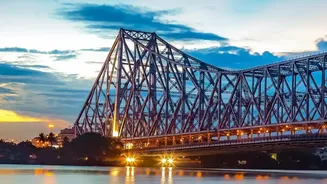
The culture of old Kolkata is found not just in its sights but in its rhythms. Embrace the slow pace by taking a ride on a tram, one of the city's most enduring symbols. Engage in 'adda', the art of unhurried, intellectual conversation, which you can find at any tea stall or the Indian Coffee House. Don't be afraid to sample the street food, a highlight of the city's culinary scene; just choose vendors that are popular with locals. A ferry ride on the Hooghly River at sunset offers a different perspective of the city and its ghats, including the bustling flower market at Mallick Ghat under the Howrah Bridge. These everyday experiences are the threads that weave together the rich cultural fabric of Kolkata.