



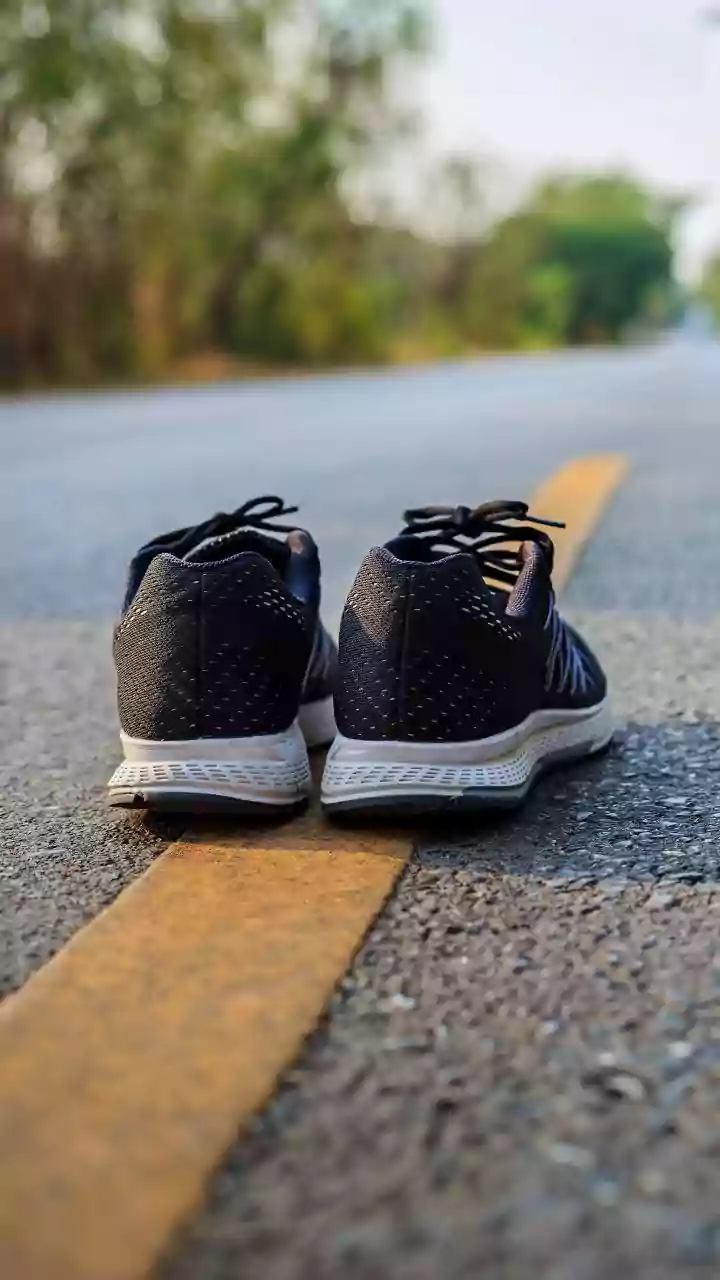




The Myth of Complete Rest
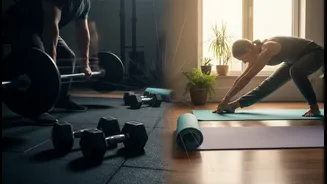
For years, the common wisdom after a gruelling gym session or a long run was to stop completely. The idea was that total rest allows muscles to repair. While rest is vital, fitness science now shows that becoming completely sedentary right after a workout,
or even the day after, might not be the best strategy. This is where active recovery comes in. Instead of a full stop, active recovery involves low-intensity movement to help your body transition more smoothly from a state of high stress to rest. It is a deliberate choice to keep moving, just much more gently.
The Science of Active Recovery
So, what exactly is happening in your body? When you perform strenuous exercise, your muscles experience tiny micro-tears and you accumulate metabolic waste products. Active recovery helps address this in several ways. Firstly, it increases blood flow to your muscles. This enhanced circulation delivers more oxygen and essential nutrients that are needed for tissue repair. Secondly, it helps flush out metabolic byproducts from your muscles more effectively than passive rest. While the old theory about lactic acid causing soreness has been largely debunked, gentle movement does help clear out other waste products, reducing stiffness and inflammation. This process can lead to a noticeable reduction in delayed onset muscle soreness (DOMS), the pain and stiffness felt a day or two after a tough workout.
What Gentle Movement Looks Like
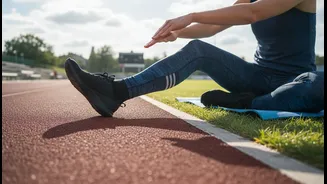
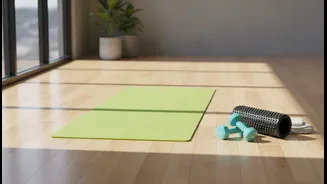
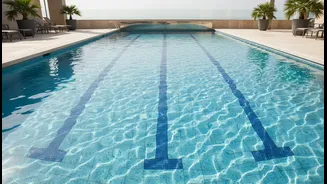
Active recovery should be easy, with your heart rate remaining fairly low—around 30-60% of your maximum. The goal is to stimulate the body without adding more stress. Think of it as nurturing your body, not pushing it. Excellent forms of gentle movement include: - Walking: A simple walk is one of the best forms of active recovery. It gets blood flowing to your legs and helps reduce stiffness. - Gentle Yoga or Stretching: Focus on slow, restorative poses and deep breathing. This helps to release muscle tension, improve flexibility, and calm your nervous system. - Swimming or Water Aerobics: The buoyancy of water makes it extremely low-impact, giving your joints a break while allowing for gentle movement that can reduce inflammation. - Foam Rolling: This self-massage technique can help release tight knots in muscles, increase blood flow, and improve your range of motion. - Cycling: A slow, easy ride on a stationary or outdoor bike is another great way to keep your legs moving without high impact.
Making It Part of Your Routine
You can incorporate active recovery in two main ways: as a cool-down immediately following your workout, and as a dedicated session on your 'rest' days. A 10-to-20-minute cool-down involving light cardio and stretching can kick-start the recovery process right away. On the days between intense workouts, instead of doing nothing, consider a 20-to-30-minute active recovery session. This approach helps you maintain a consistent routine, prevents stiffness, and can even improve your performance in your next hard workout. It's not about adding another exhausting task to your day; it's about making your rest more effective.