





The Distant Driver: A 'Super' El Niño
The climate pattern in question is El Niño, a periodic warming of the sea surface in the central and eastern tropical Pacific Ocean. While El Niño is a natural cycle, the event developing in 2026 is forecast to be unusually intense, potentially becoming
one of the strongest in over a century. Scientists note that the monthly Niño 3.4 index, a key indicator, surged dramatically from May to July 2026. Forecast models predict that this warming will not only continue but intensify through the autumn and winter of 2026-27. This isn't just a distant meteorological curiosity; it’s a global climate driver with far-reaching consequences. Because the atmosphere is interconnected, this warming in the Pacific disrupts typical weather patterns worldwide, and India is directly in its line of sight.
How the Pacific Influences the Monsoon
The connection between the Pacific Ocean and India's monsoon is a well-studied atmospheric teleconnection. Normally, strong winds push warm Pacific water westward toward Asia, helping create the low-pressure systems that draw moisture-laden winds from the Indian Ocean, fueling the monsoon. During an El Niño, these trade winds weaken. The pool of warm water shifts eastward, away from Asia. This change disrupts the atmospheric engine that powers the monsoon. It weakens the monsoon circulation, often leading to reduced and more erratic rainfall over the Indian subcontinent. Forecasts for the 2026 monsoon had already anticipated a weaker-than-usual season due to the expected El Niño, with rainfall predicted to be below the long-period average.
Drier, Yet More Dangerous Rains
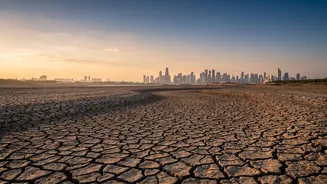
The primary impact of a strong El Niño is often a reduction in overall monsoon rainfall, which raises concerns about drought. Of the 16 El Niño years recorded since 1950, seven were associated with below-normal rainfall in India. However, a weaker monsoon doesn't just mean less water; it means more unpredictable water. Recent research and observations show that El Niño years can create a paradoxical situation: long dry spells punctuated by sudden, intense downpours. This leads to a dual threat of seasonal drought and flash flooding. For instance, a state might experience a significant rainfall deficit for the season overall, yet suffer from devastating floods and landslides within a single week of extreme rain, as has been observed in past events. This pattern of drier but more dangerous rainfall poses a complex challenge for disaster management and agriculture.
The Ripple Effect on Farms and the Economy
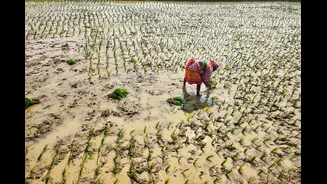
The monsoon is often called India's 'true finance minister' for a reason. It dictates the fortunes of the vast agricultural sector, which supports a huge portion of the population. A weaker or erratic monsoon threatens the Kharif (summer) crop cycle, affecting staples like rice, pulses, and oilseeds. Reduced yields can lead to lower farm incomes, rural distress, and increased food inflation that affects every household. The uncertainty could impact two full crop seasons. Furthermore, inadequate rainfall puts immense pressure on water resources, affecting everything from drinking water supplies in cities to the generation of hydropower. While El Niño's impact is often tempered by other factors like the Indian Ocean Dipole (IOD), the sheer strength of the predicted 2026 El Niño has officials and farmers bracing for significant disruption.