





The flash of a butterfly's wing or the chirping of a sparrow in a city park feels like a constant of urban life. Yet, these small residents are quietly adjusting their daily routines in response to our planet's changing weather patterns.
An Ecosystem Under Pressure
Our cities are
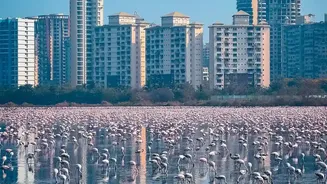
complex ecosystems, but they are also becoming 'heat islands' where concrete and asphalt trap warmth, making them significantly hotter than surrounding rural areas. This, combined with shifting rainfall patterns—from prolonged dry spells to sudden, intense downpours—creates a challenging new reality for urban wildlife. These weather shifts don't just make the days uncomfortable; they fundamentally alter the availability of food and water, forcing birds and butterflies to adapt their ancient foraging behaviours simply to survive.
For Birds, a Risky Search for Food
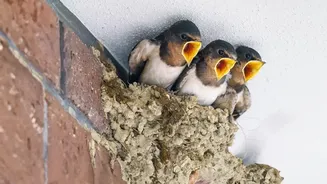
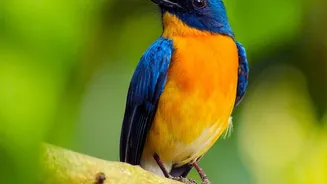
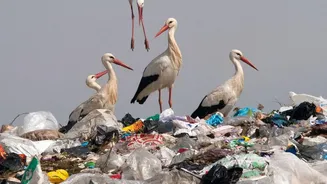
For urban birds, changing weather directly impacts their daily meal plan. Extreme heat forces many species to change when they look for food, shifting their activity to the cooler hours of dawn and dusk to avoid heat stress. This can be a problem if their primary food source, insects, aren't active at those times. Heavy rainfall presents another hurdle. It can make it harder for birds to find insects and can wash away seeds, forcing them to rely more heavily on garden feeders. This is especially critical during the breeding season when parents need a constant supply of food for their chicks. A long spell of rain can mean the difference between a thriving brood and one that struggles.
The Delicate Timing of Butterflies
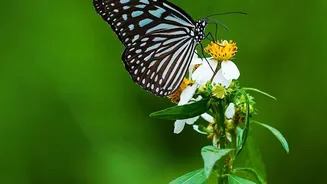
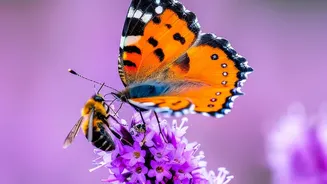
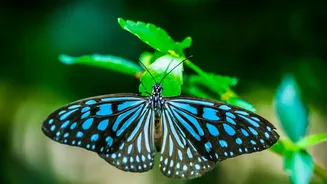
Butterflies are incredibly sensitive to their environment. Their life cycles, from caterpillar to adult, are closely tied to specific plants and seasonal cues. Unusually warm springs, driven by the urban heat island effect, can cause plants to flower earlier than usual. If butterflies emerge at their normal time, they may find that their crucial nectar sources have already bloomed and faded. This 'phenological mismatch' can be devastating, leaving them with little food. Furthermore, extreme heat can affect the quality of nectar in flowers, while heavy rain can ground butterflies, preventing them from feeding at all. Research shows that while some heat-loving species might initially thrive in warmer urban pockets, the overall disruption threatens many others.
A Mismatch with Major Consequences
These foraging shifts are more than just a curiosity; they are a symptom of a growing ecological imbalance. The timing between when birds need insects to feed their young and when those insects are most abundant is becoming decoupled. Scientists have noted that rising temperatures are causing insects to emerge earlier in the season, but migratory birds are not always adapting their arrival times at the same rate. This mismatch can lead to reduced breeding success and, over time, population declines. In India, scientists have already observed unusual warmth triggering early flowering in some regions, creating a potential food gap for pollinators like bees and butterflies that are not yet active.
What This Means for Our Cities
The struggles of birds and butterflies are an indicator of the health of our urban green spaces. These creatures are vital pollinators and pest controllers, and their wellbeing is linked to our own. As Indian cities continue to grow and grapple with climate impacts, understanding these subtle shifts becomes crucial. Initiatives to create and maintain 'cool islands' in cities, such as parks and green corridors, can provide refuge and help normalise growing seasons for plants, in turn supporting the wildlife that depends on them. Planting native species that are adapted to local conditions can provide more reliable food sources for birds and butterflies, helping to build resilience in our urban ecosystems.