



The Pungent Power of Mustard Oil
Mustard oil is the soul of many North and East Indian cuisines, particularly in Bengal, Punjab, and Bihar. Its signature pungency comes from a compound called allyl isothiocyanate, which gives it a sharp, sinus-clearing aroma when raw. The key to unlocking
its magic is heat. Almost every traditional recipe insists on heating the oil until it reaches its first wisp of smoke. This technique, sometimes called 'pakao', transforms the oil's raw bite into a warm, nutty, and deeply savoury flavour. Once heated, it forms the perfect base for Bengali fish curries ('macher jhol'), Punjabi 'sarson da saag', and a variety of pickles, where its natural preservative qualities are essential. Don’t be afraid of its strong character; when heated properly, it enhances spices rather than overpowering them.
The Aromatic Heartbeat: Curry Leaves
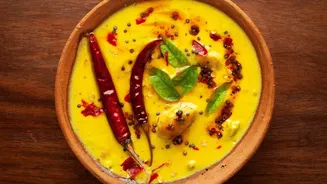
If mustard oil rules the north and east, curry leaves ('kadi patta') are the fragrant heartbeat of the South. Essential to the cuisines of Tamil Nadu, Kerala, Karnataka, and Andhra Pradesh, these glossy green leaves release a complex, citrus-like aroma when they hit hot oil. Unlike bay leaves, curry leaves are completely edible and add a subtle, background flavour that is hard to replace. Their primary use is in tempering, or 'tadka', where they are sizzled in hot oil or ghee along with spices like mustard seeds and cumin. This infused oil is then poured over dishes like dal, sambar, rasam, and chutneys right before serving, releasing a final burst of incredible aroma. For the most potent flavour, always use fresh curry leaves; they will pop and crackle aggressively, so stand back when you add them to the pan.
Chillies: Beyond Just Heat
Indian cooking uses chillies for much more than just fire; they provide colour, flavour, and regional identity. The type of chilli you use and how you use it can completely change a dish. Dried red chillies, often broken in half, are a tadka staple, adding a smoky, mellow heat. Fresh green chillies, on the other hand, provide a sharp, fresh spiciness. The variety is what truly defines a region's palate. The famous Kashmiri chilli, for example, is used almost exclusively for its brilliant red colour and mild warmth, giving dishes like Rogan Josh their signature glow without overwhelming heat. In contrast, the Guntur chilli from Andhra Pradesh is a workhorse for delivering robust, noticeable heat in everyday curries. Understanding this distinction is key: if you want vibrant colour without too much spice, reach for Kashmiri. If you want a fiery kick, Guntur is a reliable choice.
The Art of the Tadka: Bringing It All Together
The 'tadka' (also known as 'chaunk' or 'tempering') is where these three ingredients often meet. This simple technique involves frying spices in hot fat to unlock their essential oils, creating an intensely aromatic flavour base that is either used to start a dish or poured over the top as a final flourish. A classic tadka might start with heating mustard oil until it shimmers. First, add mustard seeds and wait for them to pop. Next, add dried red chillies and curry leaves, which will sizzle and splatter immediately. This entire process takes less than a minute, so have your ingredients ready. This finishing touch can transform a simple bowl of lentils or a vegetable stir-fry into something truly special, layering the dish with the distinct flavours of the region you're channelling.