
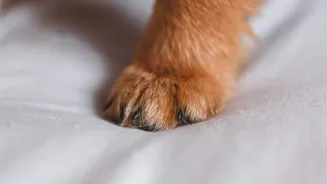
The Golden Rule: Dry Thoroughly, Every Time
This is the most critical step in post-monsoon care. Letting your dog air-dry is a major risk, as damp fur and skin create the ideal environment for fungal and bacterial growth. After every walk or bath, use an absorbent microfibre towel to pat your dog dry,
paying extra attention to hidden areas like armpits, the belly, skin folds, and between the toes. For dogs with thick or double coats, a towel often isn't enough. Use a pet-safe blow dryer on its lowest heat and speed setting to ensure the undercoat is completely dry. A dry dog is a healthy dog, especially when humidity is high.
Master the Art of Daily Brushing
High humidity often means more shedding and a higher chance of matting, which can trap moisture against the skin and lead to painful hot spots. Daily brushing is non-negotiable during this season. It helps remove loose fur, dirt, and debris while distributing the coat's natural oils. This simple act improves air circulation to the skin, preventing the buildup of dampness that can cause irritation. Use a brush appropriate for your dog’s coat type—a slicker brush for long-haired breeds or a rubber curry comb for short-haired ones—to keep their coat healthy and breathable.
Rethink Your Bathing Schedule
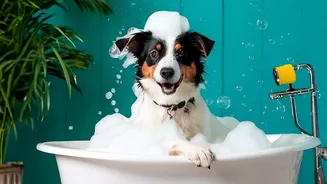
While it may seem logical to bathe your dog more often, over-bathing can strip their coat of essential natural oils, weakening the skin's protective barrier. Unless your dog is particularly muddy, stick to a bathing schedule of once every 2-3 weeks. When you do bathe them, choose a mild, vet-recommended anti-fungal or antibacterial shampoo to help combat common monsoon-related microbes. And remember, the post-bath drying routine is just as important as the bath itself.
Boost Their Coat from the Inside Out
A shiny coat is a reflection of good internal health. Supporting your dog’s diet with the right nutrients can significantly bolster their skin’s resilience against humidity. Foods rich in omega-3 and omega-6 fatty acids are excellent for reducing inflammation and promoting a strong skin barrier. Consider adding sources like cooked salmon, fish oil, or flaxseed to their meals after consulting your vet. Lean proteins such as chicken provide the essential amino acids needed to build strong hair, and ensuring constant access to fresh, clean water keeps their skin hydrated.
Conduct Daily Skin and Paw Inspections
Fungal infections, bacterial pyoderma, and hot spots can develop quickly in humid weather. Make it a daily habit to check your dog's skin, especially in vulnerable areas. Part the fur and look for any redness, rashes, bald spots, or scaly patches. A musty or yeasty smell is often the first sign of an infection. Don't forget their paws; clean and dry them after every walk to prevent interdigital infections, and check between the pads for any signs of irritation.
Keep Their Environment Clean and Dry
Your dog's surroundings play a big role in their skin health. Damp bedding, carpets, and toys can harbour mould and bacteria, contributing to skin issues. Wash your dog’s bedding frequently in hot water and ensure it is completely dry before they use it. Indoors, increasing ventilation can help reduce the ambient humidity. A clean, dry living space reduces the overall microbial load your dog is exposed to, giving their skin a better chance to stay healthy.
Know When to See a Veterinarian
While proactive care can prevent most issues, some conditions require professional medical attention. If you notice persistent scratching, open sores, pus, intense redness, or a foul odour that doesn’t go away, it’s time to visit the vet. These can be signs of a deeper infection like pyoderma that may need antibiotics or prescription shampoos. Early intervention is key, as skin infections can escalate rapidly in warm, moist conditions. Acting quickly will prevent your dog from suffering and ensure a faster recovery.