






Embrace the Art of the Rewear
The most effective way to manage laundry is to create less of it. Not every item needs to be washed after a single use. Garments like jeans, jumpers, and jackets can often be worn multiple times before they are truly dirty. The key is to air them out
properly after wearing. Instead of tossing a lightly worn shirt onto a chair, hang it near a window or in a well-ventilated space overnight. This allows moisture and any minor odours to dissipate. For items that aren't visibly soiled but just need a little boost, a quick refresh is better than a full wash. A handheld steamer can work wonders, using steam to kill odour-causing bacteria and release wrinkles. Another popular method is a DIY fabric spray made from water, a few drops of essential oil like lavender, and a small amount of vodka, which acts as an antimicrobial agent.
Strategic Washing for Smaller Loads
When you must wash, do it strategically. During humid seasons, washing smaller, more frequent loads is better than letting a huge pile accumulate. Overloaded machines can't rinse clothes properly, leaving behind residue that contributes to musty smells. Piling up damp, dirty clothes is also a recipe for odour, as bacteria breaks down sweat and skin cells, releasing foul smells. If you have a washing machine, use the highest spin cycle your fabrics can handle. Removing as much excess water as possible in the machine is the first and most crucial step to reducing indoor drying time. For stubborn odours, adding half a cup of white vinegar or baking soda to your wash cycle can help. Vinegar acts as a natural fabric softener and helps dissolve residues, while baking soda is a powerful deodorizer.
Mastering the Challenge of Indoor Drying
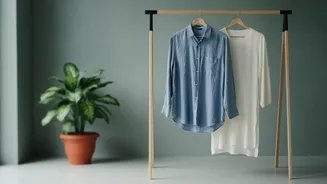
With outdoor drying often impossible, creating an effective indoor setup is essential. The two keys to success are airflow and space. Avoid cramming clothes onto a drying rack; give each item enough room to breathe. Using hangers for shirts and trousers can create more space and improve air circulation. Maximise airflow by placing your drying rack in a well-ventilated area, and never push it right up against a wall. Pointing a simple pedestal or desk fan at the rack can dramatically speed up evaporation by moving moist air away from the fabric. You don't need to blast the clothes directly; creating general air movement in the room is highly effective. If possible, run an exhaust fan in the bathroom or leave a window slightly ajar to let the humid air escape.
Keeping That Musty Smell at Bay
The biggest enemy of monsoon laundry is the persistent musty smell that develops when clothes take too long to dry. This is caused by mould and bacteria thriving in the damp fabric. To combat this, ensure clothes are as dry as possible before hanging them up. If an item is still damp after a day, a quick press with a hot iron can help remove the last bits of moisture, especially in thicker parts like collars and seams. To keep humidity down in your room and closets, you can use natural moisture absorbers. A small bag of unrefined salt or a few pieces of chalk placed in a corner or inside a wardrobe can help absorb excess moisture from the air, preventing that stale smell from developing in the first place.
Negotiating Laundry in a Shared Space
In a shared house or PG, laundry isn't just a chore—it's a negotiation. The limited drying space can become a point of conflict. The best approach is proactive communication. Talk to your flatmates and try to establish a loose schedule. Perhaps one person does their wash on certain days, while another takes the weekend. If you have a shared washing machine, agree on rules for not leaving wet clothes in the machine. When it comes to drying, be considerate. Once your clothes are dry, take them down immediately to free up the rack for the next person. In many modern co-living spaces, professional laundry services with scheduled pickups are becoming a popular amenity, taking the pressure off shared facilities entirely.