




The Rise of Expandable Labs
Imagine launching a three-story apartment building into space, neatly folded in side a single rocket. This is the core concept behind inflatable space habitats. Unlike traditional rigid modules, which are limited by the size of a rocket's payload fairing,
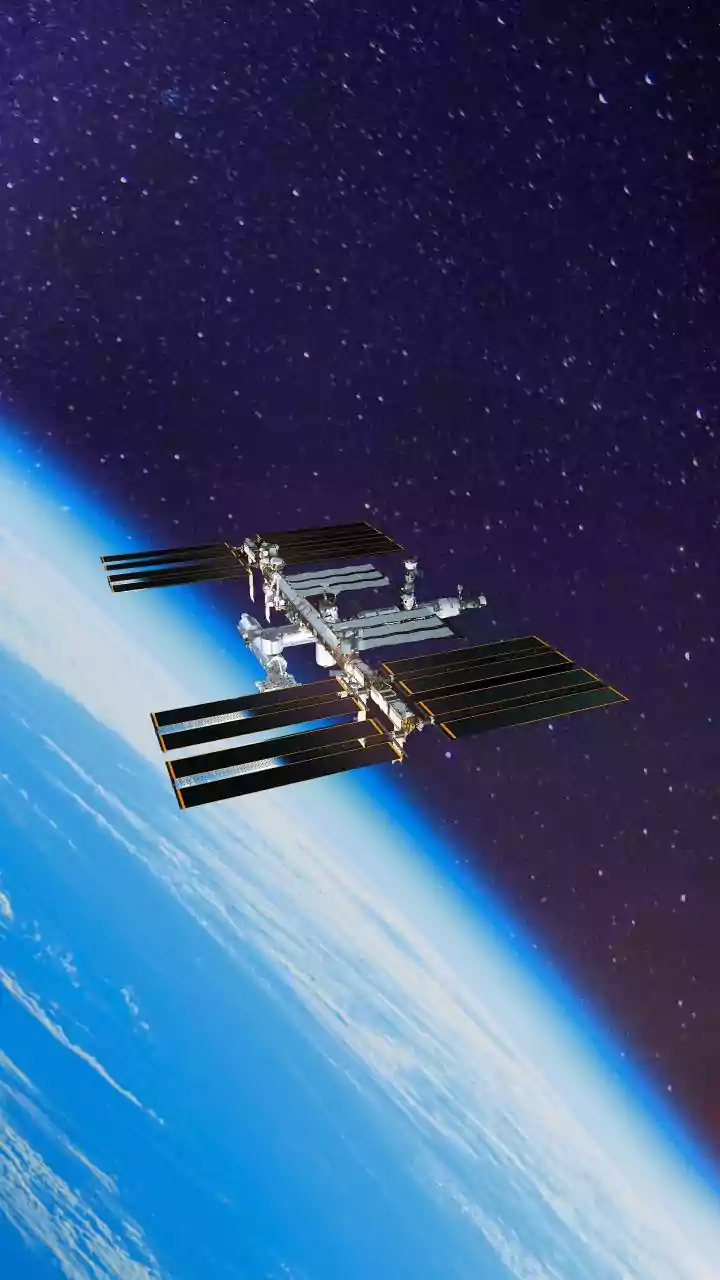
inflatable structures are launched in a compressed state and then expanded with air once in orbit. This allows for a much greater volume of living and working space for the same launch mass, a critical factor in the economics of space exploration. These modules are not simply balloons; they are constructed from multiple layers of high-tech, durable fabrics like Kevlar and Vectran. This layered design provides robust protection against micrometeoroids and space radiation, in some cases offering shielding superior to the traditional aluminum hulls used on the International Space Station (ISS).
Pioneers of the Commercial Frontier
Several private companies are leading the charge to build the next generation of space stations, with NASA's support. Sierra Space is a major player with its Large Integrated Flexible Environment (LIFE) habitat. The LIFE module is a key component of the planned Orbital Reef space station, a collaboration with Blue Origin. Following a series of successful pressure tests that exceeded NASA's safety requirements, Sierra Space has established itself as a leader in this technology. Another key company, Axiom Space, is also incorporating inflatable modules into its plans. It is first building modules to attach to the ISS before separating to become a fully independent commercial station. These ventures are part of a broader push by NASA to transition from the government-owned ISS to commercially operated platforms in low-Earth orbit by 2030, ensuring there is no gap in America's crewed presence in space.
A New Golden Age for Microgravity Research
The primary purpose of these new orbital outposts is to serve as bustling hubs for science and commerce. The microgravity environment of space offers a unique laboratory where the near absence of gravity allows for experiments impossible on Earth. Scientists can study the fundamental properties of materials, leading to the development of new alloys and ultrapure optical fibers. In biotechnology, microgravity aids in growing more perfect protein crystals, which can accelerate the development of new drugs to fight diseases like cancer. Other research areas include fluid physics, combustion science, and even 3D printing human tissue. By providing more space at a potentially lower cost, inflatable habitats will democratize access to this unique environment, opening the doors to universities, smaller companies, and countries without national space programs.
More Space, More Opportunity
The business model for these commercial stations relies on a diverse customer base. Beyond NASA, which will be a primary tenant purchasing services, these companies are targeting a wide range of clients. Pharmaceutical and manufacturing companies are eager to exploit the unique properties of microgravity for research and development. Academic institutions can conduct novel experiments without the years-long backlog often associated with the ISS. Even commercial brands have sent experiments to space, from studying the behaviour of barley for beer to developing better cleaning solutions and testing soccer balls. Axiom Space has even been contracted to build an inflatable module specifically designed as an entertainment and content studio. This shift creates a new economic ecosystem in low-Earth orbit, driven by private enterprise rather than government funding alone.
Challenges Before the Final Frontier
Despite the promise, the path to a thriving commercial space economy has hurdles. The long-term durability of soft-goods materials over many years in the harsh environment of space is still being studied, though initial tests on the ISS with the Bigelow Expandable Activity Module (BEAM) have been promising. Ensuring these modules can maintain pressure integrity and provide adequate shielding from cosmic radiation and space debris remains a top priority for engineers. Furthermore, the economic viability of these stations is not guaranteed. Success depends on falling launch costs and sustained demand from a broad base of commercial and government customers. The pressure is on for companies like Sierra Space and Axiom to not only prove their technology is safe and reliable but also that their business case holds up in the unforgiving market of space.