




The Constant Threat to India's Breadbasket
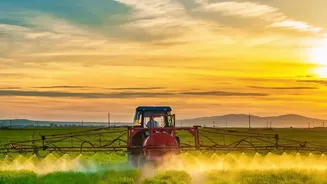
In states like Punjab and Maharashtra, the heart of India's agricultural output, farmers face a relentless barrage of threats that can decimate their income in a single season. Unpredictable weather, worsening water scarcity, sudden pest attacks, and spreading
crop diseases are major challenges. For India's millions of smallholder farmers, who often manage plots of less than two hectares, a failed harvest can be catastrophic, leading to debt and profound economic instability. The traditional method of walking the fields and looking for visible signs of trouble is often too little, too late. By the time damage is visible, significant losses may already be unavoidable.
A New Watchful Eye in the Fields
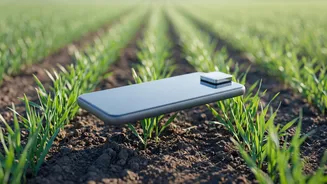
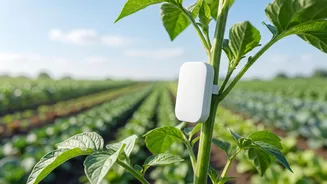
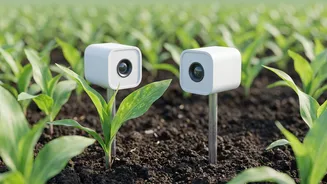
Enter the age of smart agriculture. A new generation of low-cost sensors, powered by Artificial Intelligence (AI), is being deployed to act as a 24/7 digital watchman. These small, often solar-powered devices are placed directly in the fields to monitor crucial conditions in real-time. They collect a stream of data on everything from soil moisture and nutrient levels to ambient temperature and humidity. This technology is moving beyond pilot projects and is part of a structured, large-scale implementation plan. For instance, Maharashtra recently launched its MahaAgri-AI policy and a pilot project to bring AI-powered farming to thousands of farmers.
How AI Turns Data into Actionable Advice
The magic isn't just in the sensors themselves, but in the AI that analyzes the data they collect. This information is sent to a cloud platform where sophisticated algorithms process it, comparing it with satellite imagery, weather forecasts, and vast databases of crop diseases and pests. The system can detect the earliest warning signs of trouble, such as a subtle change in leaf color indicating a nutrient deficiency or moisture conditions that favor a fungal outbreak. It then translates this complex data into simple, actionable alerts sent directly to a farmer's smartphone, often in their local language.
The 'Low-Cost' Revolution
While precision agriculture isn't new, its high cost has historically kept it out of reach for most Indian farmers. What makes the current wave of innovation so significant is its focus on affordability. Startups and government initiatives are creating systems designed for the real-world conditions of Indian farming. In Maharashtra, a generative AI chatbot called MahaVISTAAR-AI allows farmers to ask questions via text or voice and receive tailored advice. Similarly, in Punjab, IoT-based sensor solutions are helping paddy farmers optimize water usage, a critical issue in a state facing groundwater depletion. This accessibility is key to democratizing technology and empowering the farmers who form the backbone of the nation's food security.
Early Success Stories on the Ground
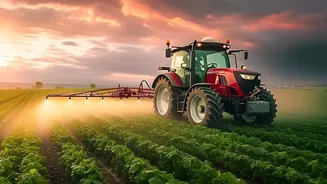
The impact is already measurable. In Baramati, Maharashtra, a project using AI-generated alerts helped sugarcane farmers decide precisely when to irrigate and where to apply fertilizer. Across India, platforms built on AI and satellite data have protected hundreds of thousands of hectares from pest damage through early intervention. These tools enable a shift from reactive to proactive farming. Instead of broad-spectrum pesticide spraying, farmers can target only affected areas, reducing costs and environmental impact. Similarly, precise irrigation advice helps conserve water—a vital benefit as agriculture accounts for the vast majority of India's freshwater use.
The Future of Indian Farming is Data-Driven
The deployment of these AI systems in Punjab and Maharashtra is more than just a technological experiment; it represents a fundamental shift towards a more resilient and profitable agricultural sector. National-level platforms like the National Pest Surveillance System are using AI to monitor dozens of crops and provide real-time advisories. As these technologies become more widespread, they promise to make farming less of a gamble and more of a science. By providing clear, data-driven insights, AI is giving farmers something they have rarely had before: a reliable way to stay one step ahead of the challenges they face.