



The Allure Meets Reality
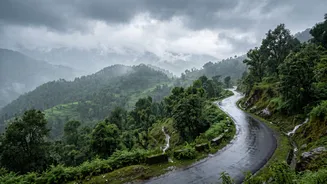
The idea of sipping hot tea while watching the rain fall over green hills is a powerful one. Many destinations in India, from the backwaters of Kerala to the hill stations of the north, are at their most beautiful during the monsoon. This charm, combined
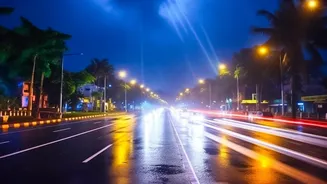
with off-season discounts, makes it a popular time for a getaway. However, the reality can be less romantic. Heavy rainfall often leads to significant travel disruptions that go beyond a simple downpour. Just this week, on August 24th and 25th, 2026, heavy monsoon rains in Delhi caused widespread chaos, leading to hundreds of flight delays and dozens of cancellations at the capital's airport. This is a yearly pattern; what seems like a minor weather event can quickly cascade, affecting travel plans across the country.
The High Cost of Cancelled Transport
Your biggest and most immediate financial risk lies in transport. Airlines have seen monsoon disruption increase by up to 40% during peak months. As seen in Delhi, a single day of bad weather can ground or divert hundreds of flights. While DGCA regulations mandate that airlines must offer a full refund or rebooking for weather-related cancellations, this doesn't cover your consequential losses. If you miss a non-refundable hotel booking or an onward connection because your flight was cancelled, that money is often lost. The same applies to trains, which can be delayed or rerouted due to flooded tracks or landslides. A railway bridge collapse in Assam earlier in the 2026 monsoon season cut off several villages and disrupted train services, highlighting the vulnerability of the network.
When Roads Become Rivers or Worse
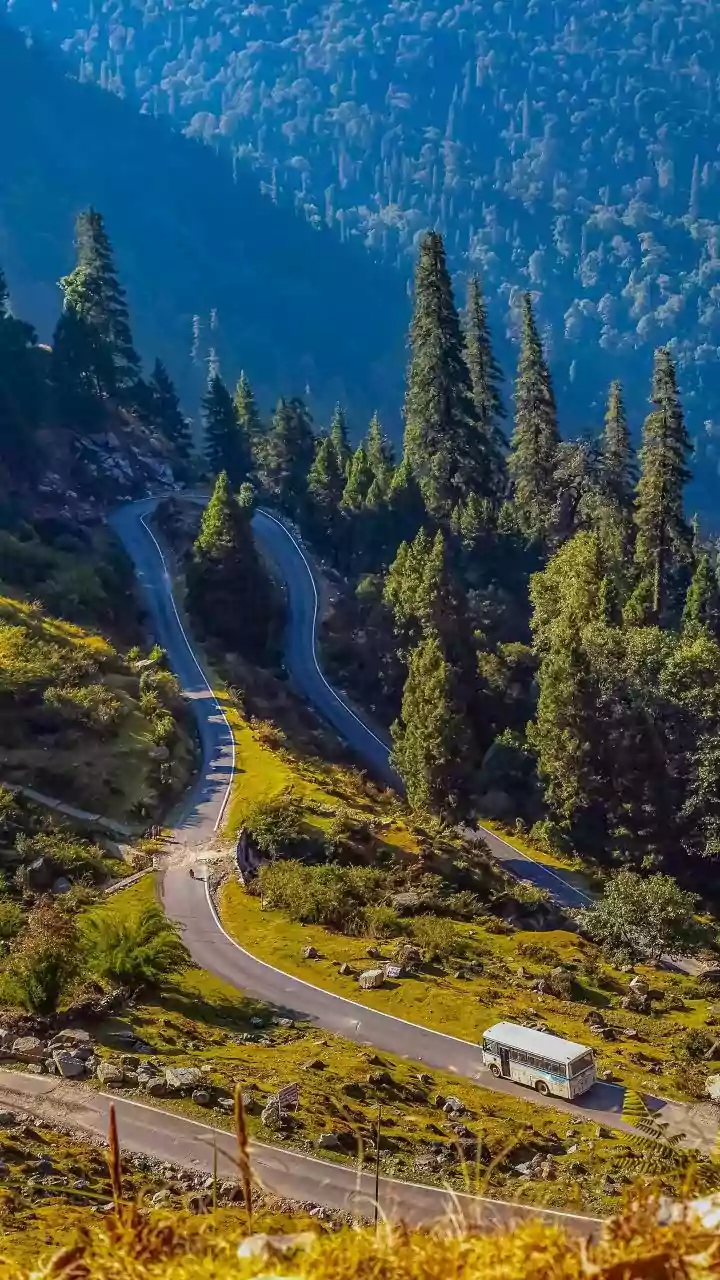
For those planning a road trip, the risks are even more direct. Urban centres frequently experience severe waterlogging that can bring traffic to a standstill for hours, as seen in Delhi and Gurugram recently. In hilly regions, the danger is more severe. Landslides are a common occurrence, blocking major highways and isolating popular tourist destinations. In August 2026, over 72 roads were blocked across Uttarakhand due to landslides, with districts like Nainital and Chamoli being badly affected. Getting stuck could mean paying for accommodation for extra, unplanned nights. Worse, it could put you in a genuinely unsafe situation. Key tourist corridors in Himachal Pradesh and Uttarakhand are known to be vulnerable.
Accommodation and Activity Woes
Imagine arriving at your beautiful beach resort in Goa, only to find the beach shacks are closed, swimming is prohibited due to dangerous currents, and the property itself is dealing with dampness and leaks. Many coastal activities and even national parks shut down during the monsoon. If your hotel booking is non-refundable, you're paying for a holiday you can't fully enjoy. Furthermore, if road closures prevent you from reaching your hotel, you may forfeit the entire booking amount. This is where booking hotels with flexible cancellation policies becomes crucial, even if it costs slightly more upfront.
Fighting Illness and Hidden Expenses
Disruptions aren't just about time and hotel rooms; they can impact your health and wallet in unexpected ways. The monsoon is a peak breeding season for mosquitoes, increasing the risk of diseases like dengue and malaria. Flooded areas also raise the risk of waterborne illnesses. Beyond health, the small costs add up. Being stranded means paying for extra meals, finding last-minute lodging at inflated prices, and potentially paying exorbitant fares for alternate travel as demand spikes. A simple two-day delay could easily add thousands of rupees to your budget.
Your Best Defence: Insurance and Smart Planning
Domestic travel insurance is your most important tool. A good policy can cover costs related to trip cancellations, delays, emergency hotel extensions, and even medical emergencies. When choosing a policy, specifically check if it covers weather-related disruptions. Beyond insurance, plan smartly. Choose your destination wisely; some regions like Ladakh or parts of Rajasthan are less affected by monsoon rains. Build buffer days into your itinerary, avoid booking tight connections, and opt for early morning flights, which are generally less susceptible to delays. Always check local advisories and weather alerts before and during your trip.