




From Ancient Ritual to Modern Staple
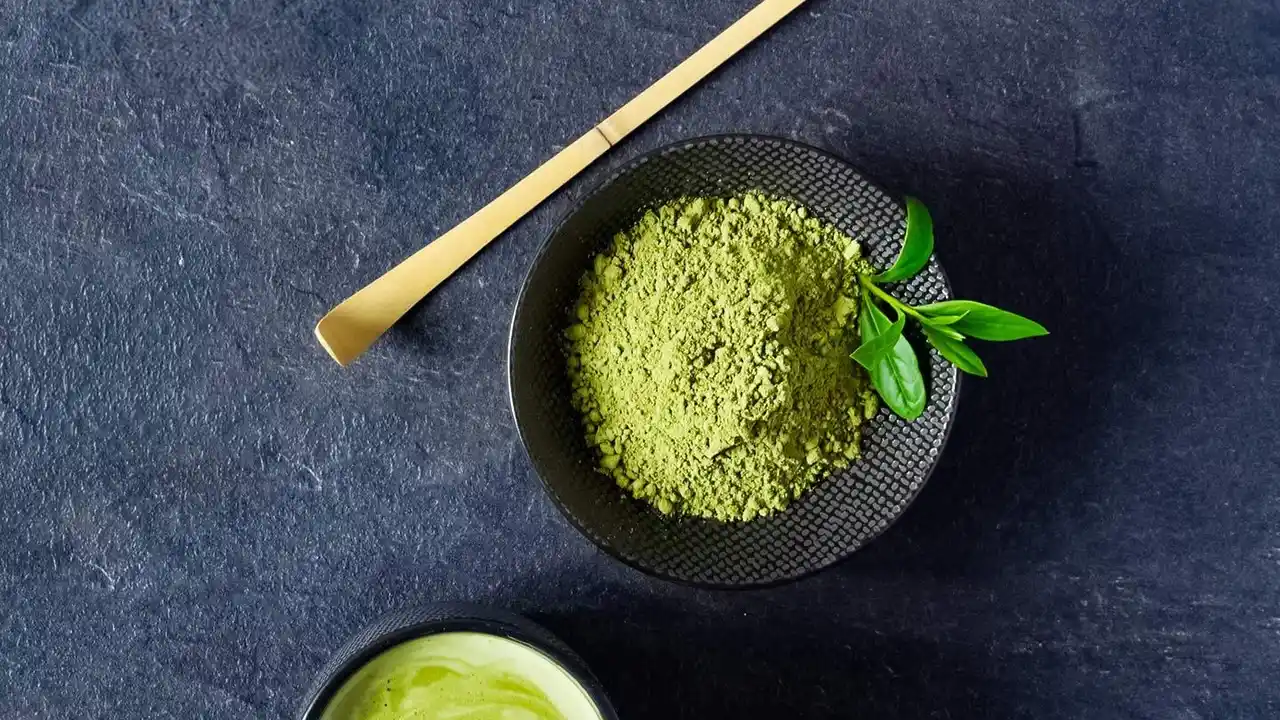
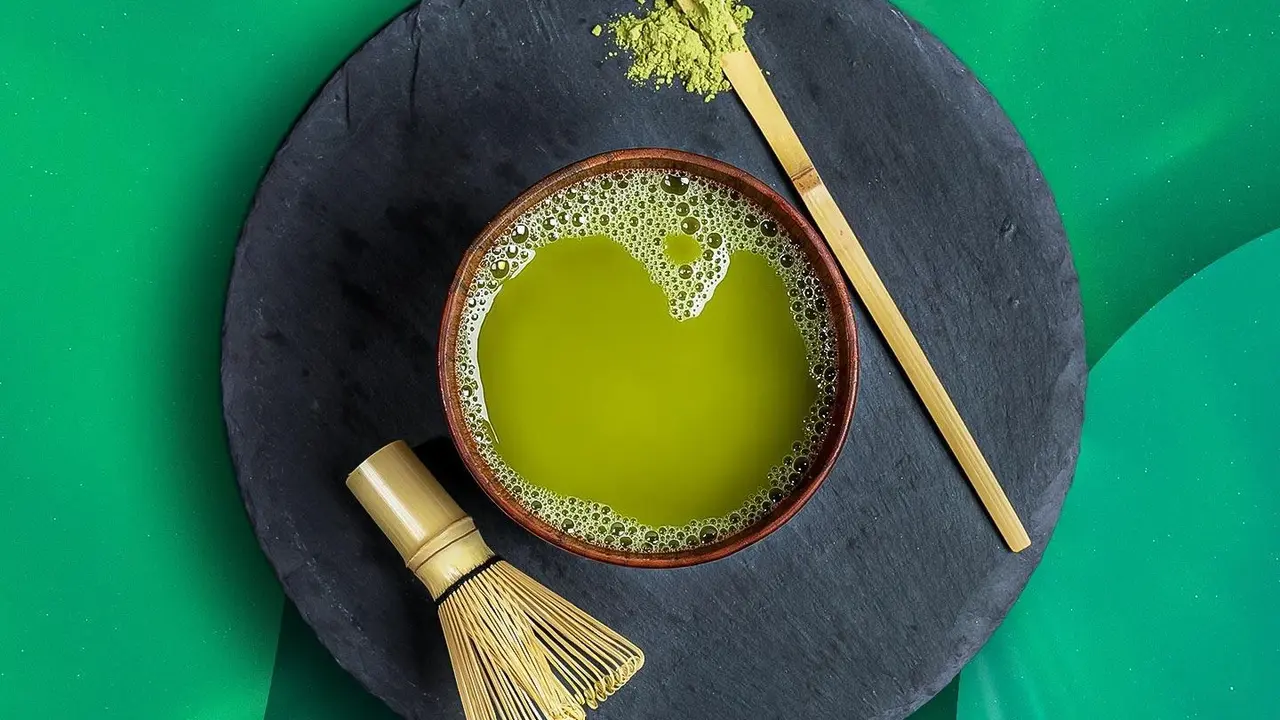
For centuries, matcha has been a cornerstone of Japanese tea ceremonies, a finely ground powder from specially grown tea leaves, revered for its role in mindful meditation. Unlike regular green tea, where leaves are steeped and discarded, with matcha you
consume the entire leaf, delivering a more potent dose of caffeine, antioxidants, and the calming amino acid L-theanine. This unique combination, which provides a feeling of 'calm energy' without the jitters associated with coffee, is a key reason for its modern resurgence. What was once a formal ritual has transformed into an everyday habit for a new generation seeking alternatives to the high-strung buzz of espresso.
The Culinary World's Green Gold
The subtle, earthy flavour of matcha has made it a darling of the culinary world, extending far beyond beverages. Pastry chefs and home bakers alike are incorporating it into everything from delicate sponge cakes and cheesecakes to muffins, cookies, and croissants. Its slight bitterness masterfully balances the sweetness in desserts like white chocolate bark and tiramisu. But its versatility doesn't end with sweets. The trend is now pushing into savoury territory, with chefs experimenting with matcha-infused pasta, creamy matcha ramen, and even as a seasoning for roasted vegetables or steak. This culinary adoption shows that matcha is being treated as a serious, complex ingredient, not just a colourful gimmick.
From Your Cup to Your Complexion
The same properties that make matcha a healthy drink also make it a powerhouse ingredient in the beauty industry. Rich in antioxidants known as catechins, matcha helps protect the skin from environmental stressors and can reduce redness and inflammation. As a result, this vibrant green powder is now a star ingredient in a growing number of skincare products. You can find it in foaming cleansers designed to decongest pores, detoxifying face masks, soothing body washes, and even lip masks. Brands are leveraging matcha's reputation for purity and wellness to appeal to consumers who want effective, natural ingredients in their beauty routines.
A Booming Business and a Mindful Movement
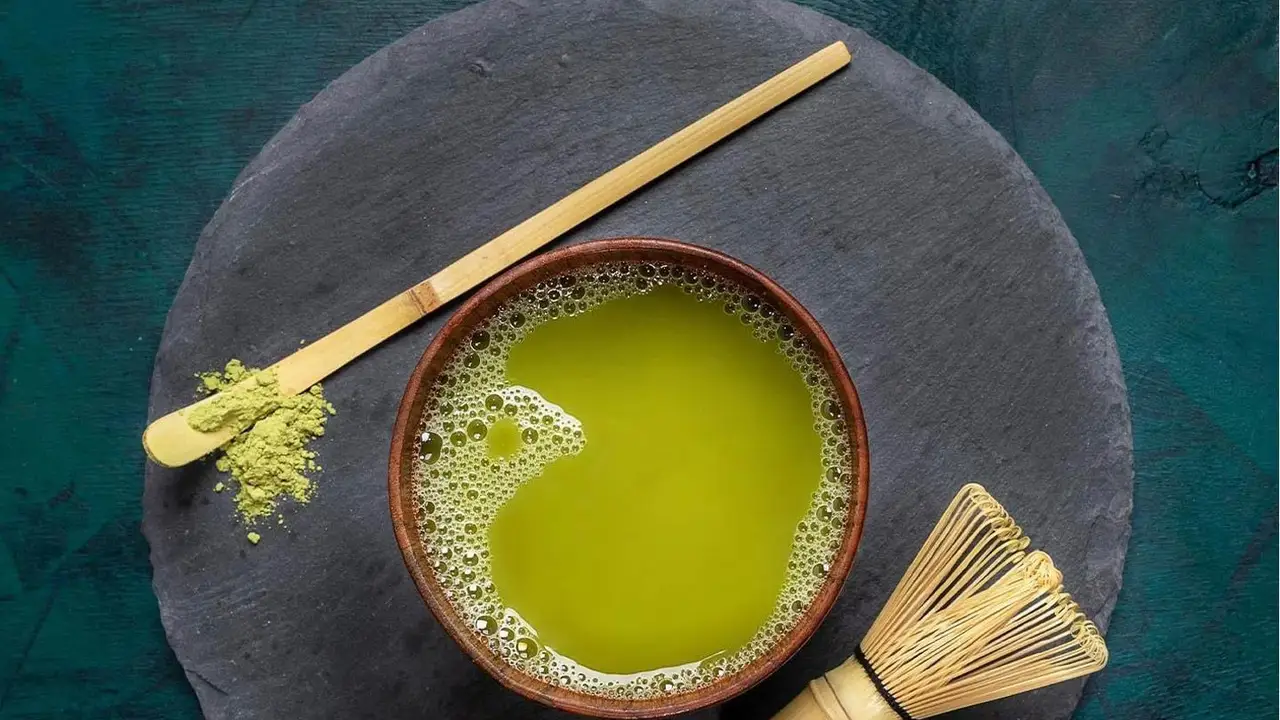
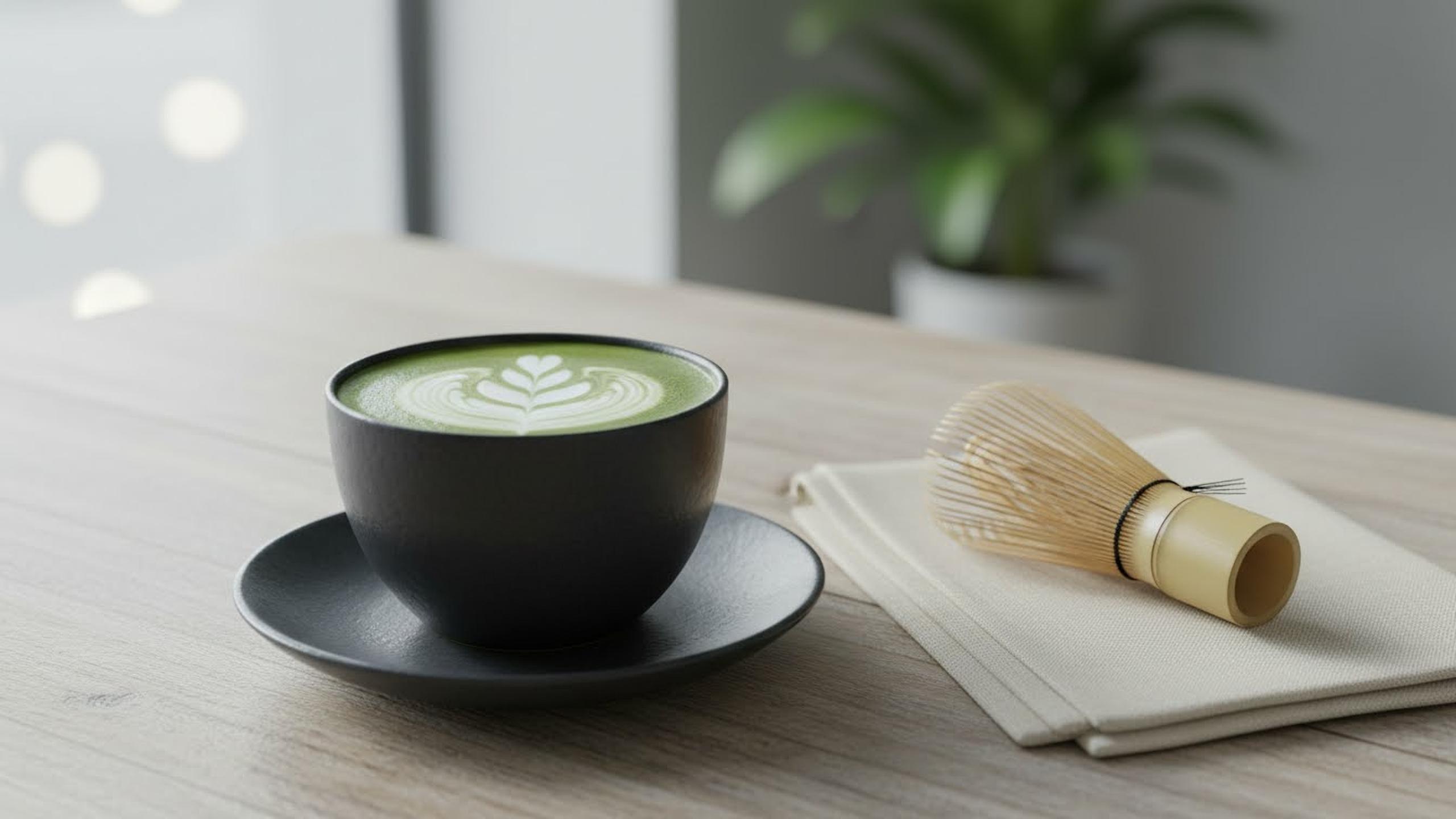
The numbers confirm the trend's momentum. The global matcha market was valued at over USD 4 billion in 2025 and is projected to grow significantly, with some estimates predicting it will reach over USD 8.7 billion by 2034. This growth is fueled by its expansion into diverse categories, including ready-to-drink beverages, functional snacks like gummies, and even supplements that blend matcha with other wellness ingredients like medicinal mushrooms. Beyond the commerce, matcha has become a symbol for a slower, more intentional lifestyle. The act of preparing it—whisking the powder into a frothy liquid—is often portrayed on social media as a calming ritual, a small moment of mindfulness in a busy day. It's a visual and cultural shorthand for wellness that resonates deeply in today's fast-paced world.