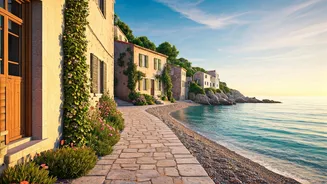









A Reaction to Burnout Culture
For years, the internet glorified the 'hustle'—the relentless drive for productivity, growth, and optimisation. Now, the pendulum is swinging back. The trend of romanticising slow coastal villages is a direct and powerful response to widespread burnout.
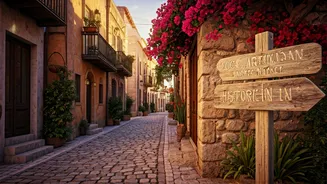
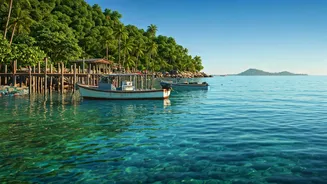
These digital postcards of sleepy fishing towns, winding lanes, and quiet shores represent an escape from the 'always on' mentality that defines modern work life. It's not just about a vacation; it’s about a fundamentally different way of measuring a day's success. Instead of completed tasks and answered emails, the fantasy prizes a long walk on the beach, a conversation with a local shopkeeper, or simply watching the tide come in. It’s a collective digital sigh, a shared yearning for a life where the pace is set by the sun and sea, not by a packed calendar.
The Search for Authentic Experiences
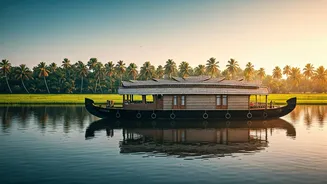
In an age of globalised chains and cookie-cutter tourist experiences, the tucked-away coastal village promises something increasingly rare: authenticity. This trend taps into a desire for genuine connection and unique culture. Think less of sprawling resorts and more of family-run homestays, less of commercialised beachfronts and more of working harbours where fishermen bring in their daily catch. Places like Varkala in Kerala or the quieter fishing hamlets along the Konkan coast embody this spirit. They offer a chance to experience a place as it truly is, to eat food that’s sourced just metres away, and to participate in a rhythm of life that has existed for generations. This search for the ‘real’ is a powerful driver for travellers and dreamers who are tired of experiences that feel manufactured for Instagram, even as they share this authentic ideal online.
The Rise of 'Quiet' Aesthetics
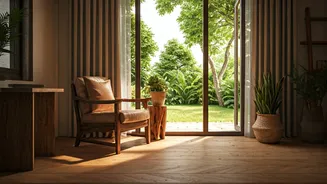
This trend didn't appear in a vacuum. It’s a sibling to other online movements like 'Cottagecore' and the 'Coastal Grandmother' aesthetic. All these trends celebrate comfort, simplicity, and a connection to nature. The visual language is key: linen shirts, fresh produce from a local market, handmade pottery, sun-drenched rooms with open windows, and books read in a comfortable chair. It’s an aesthetic that is inherently photogenic but feels achievable and unpretentious. The appeal lies in its quiet confidence. It doesn't shout; it whispers. This understated style is a form of 'quiet luxury' that values quality and feeling over flashy brand names, making the humble coastal village the perfect backdrop for this new vision of the good life.
A Mindful Approach to Travel
The fantasy of the slow coastal village also aligns with a growing movement towards more sustainable and mindful travel. Instead of ticking off a long list of sights in a short, frantic trip, this trend encourages a deeper, more immersive stay. It’s about settling in one place, reducing your carbon footprint, and supporting local economies in a more meaningful way. By choosing a small, lesser-known village, travellers can help distribute the economic benefits of tourism beyond overcrowded hotspots. This approach fosters a greater respect for the local environment and culture. It’s a shift from being a mere tourist to being a temporary resident, a guest who appreciates the delicate balance of the community they are visiting.