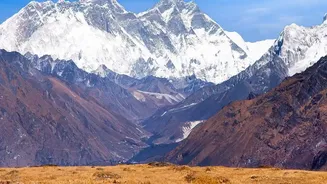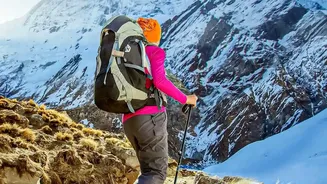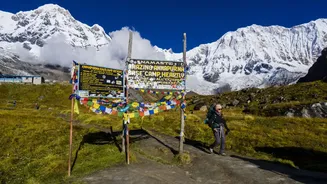





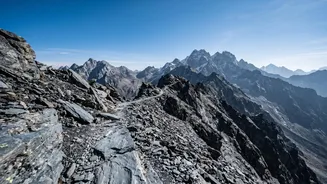
The majestic Himalayas draw adventurers from across the globe, but a recent incident involving a trekker serves as a stark reminder that safety protocols, especially mandatory permits, are not mere formalities but essential lifelines in the wild.
A Cautionary Tale in the Mountains
While
specific high-profile cases frequently make headlines, the reality for rescue operators in Nepal is a consistent pattern of incidents involving solo trekkers who run into trouble. Often, these situations involve hikers who have bypassed official permit requirements and ventured out alone. In the absence of a registered itinerary and a licensed guide, locating a missing trekker becomes a monumental challenge for authorities. When a hiker is injured, suffers from altitude sickness, or is caught in unexpectedly severe weather, the lack of a permit means rescuers have no starting point. This critical information gap can delay search operations by days, tragically reducing the chances of a successful rescue. These recurring events have pushed Nepalese authorities to tighten regulations to prevent such avoidable mishaps.
Understanding Nepal's Permit System
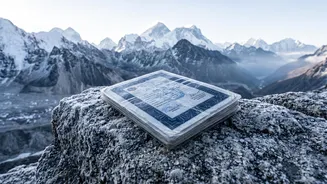
For trekkers, Nepal's permit system can seem like a layer of bureaucracy, but it's a well-structured framework designed for safety and conservation. The primary document is the Trekkers' Information Management System (TIMS) card. This card registers your identity, nationality, and intended trekking route with the tourism authorities. In the event of an emergency, the TIMS database is the first point of reference for search and rescue teams. Alongside the TIMS card, trekkers usually need permits for the specific conservation area or national park they are entering, such as the Annapurna Conservation Area Permit (ACAP) or the Sagarmatha National Park Permit for the Everest region. These fees directly fund trail maintenance, conservation efforts, and local community projects, ensuring the sustainability of the very trails you enjoy.
Why Your Permit is a Lifeline
Thinking of a trekking permit as just an entry ticket is a critical mistake. Its most vital function is safety. Your registered itinerary provides a clear, official record of your planned route and schedule. If you fail to check out from a route as scheduled, authorities can be alerted and a search can be initiated along your intended path. This system has been instrumental in locating countless lost or injured trekkers over the years. Furthermore, the permit system helps regulate the flow of tourists, preventing overcrowding on popular routes and minimising the environmental impact on fragile mountain ecosystems. It ensures that trekking is a managed and sustainable activity, preserving the natural beauty of the Himalayas for future generations of adventurers.
The Mandatory Guide Rule Explained
In a significant policy shift aimed at enhancing trekker safety, the Nepal Tourism Board made it mandatory for all foreign trekkers to hire a licensed guide for most trekking routes. This rule effectively ended the era of independent solo trekking in many parts of the country. The decision was a direct response to the rising number of incidents involving solo trekkers going missing. A licensed guide is more than just a navigator; they are trained in first aid, crisis management, and are intimately familiar with the terrain and weather patterns. They can identify early signs of altitude sickness, communicate with local communities, and act as the first responder in an emergency. While some experienced trekkers initially baulked at the rule, it is widely seen by authorities as the single most effective measure to reduce fatalities and serious incidents on the trails.
How to Secure Your Trekking Permits
Obtaining the necessary permits is a straightforward process, especially when done through a registered trekking agency in Nepal, which is now a necessity for most routes due to the mandatory guide rule. Your chosen agency will typically handle all the paperwork on your behalf. The process requires your passport, passport-sized photos, and details of your itinerary. If you are on a route where independent trekking is still permitted, you can obtain the TIMS card from the Nepal Tourism Board offices in Kathmandu or Pokhara. National park and conservation area permits are often available at their respective entry points, though it's always advisable to secure them in advance in the city to avoid any last-minute issues. Planning ahead and working with a reputable agency ensures all your legal and safety requirements are met before you even set foot on the trail.