



The Simple Science of Size
The core reason small lentils cook faster than large pulses like chickpeas or kidney beans comes down to simple physics: the surface-area-to-volume ratio. Smaller items have a much larger surface area relative to their total volume. This means more of
the lentil is in direct contact with the hot water, allowing heat to penetrate to its center much more quickly. A tiny red lentil can absorb water and cook through in as little as 15-20 minutes. In contrast, a large, dense chickpea has a lot more volume for the heat to travel through from the outside in, which is why it requires a much longer cooking time, often an hour or more.
Meet the Speedy Lentil Family
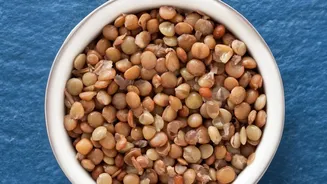
Lentils are the sprinters of the pulse world. They generally don't require pre-soaking, which is a major time-saver. The quickest of all are split lentils, like red or yellow lentils. These have had their outer seed coat removed and are split in half, which dramatically reduces their cooking time. They break down quickly, becoming soft and creamy, making them perfect for dals, thick soups, and purées. Whole lentils, such as green, brown, or black 'Beluga' lentils, have their seed coats intact and hold their shape better after cooking. While they take a bit longer than split varieties—typically 20 to 30 minutes—they are still significantly faster than most beans. This makes them ideal for salads and side dishes where you want a firm texture.
The Patient Pulses: Beans and Chickpeas
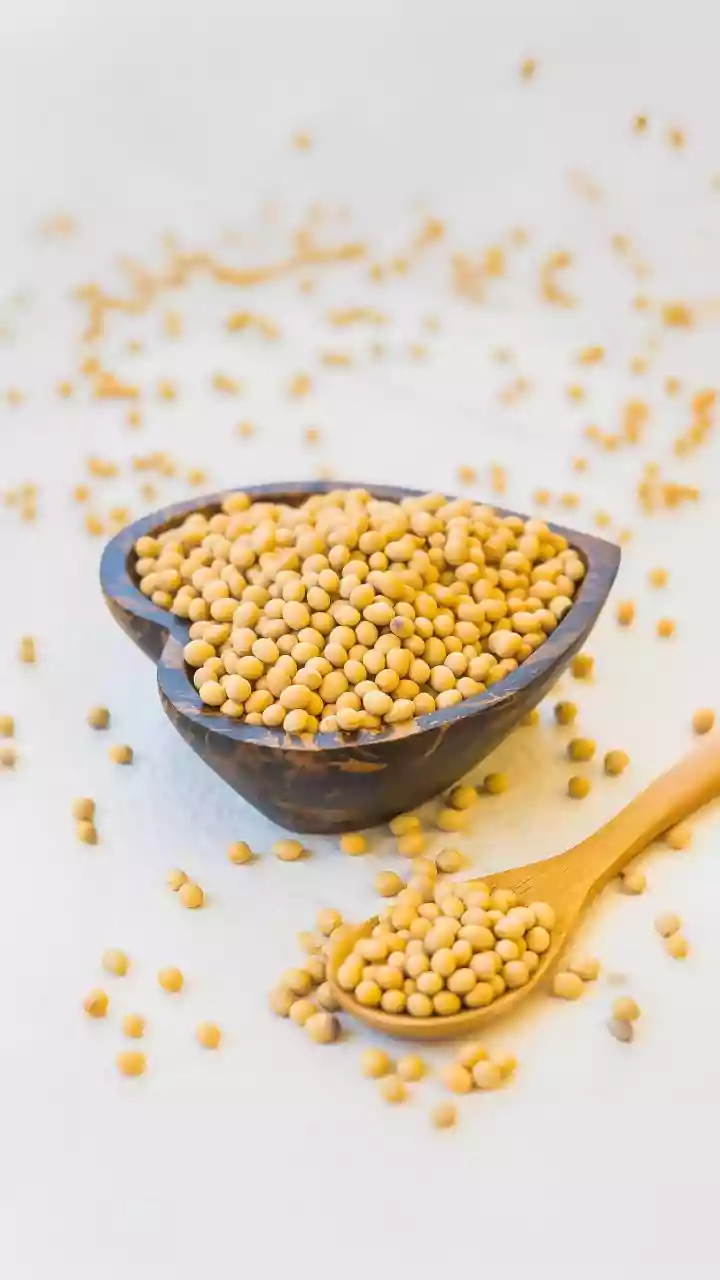
On the other end of the spectrum are the large, whole pulses like chickpeas, kidney beans, and black beans. Their larger size and tough, protective seed coats mean they require a much longer time to become tender. Cooking unsoaked chickpeas can take up to two hours, while kidney beans can take even longer. The age of the pulse also matters; older, drier beans will take more time to soften than fresher ones. This is where preparation becomes your best friend. These larger pulses benefit immensely from planning ahead, which usually involves a simple but crucial step: soaking.
The Soaking Step: Your Time-Saving Secret
Soaking is the single most effective way to cut down the cooking time for large pulses. An overnight soak in water rehydrates the beans, softening them and giving them a head start before they even hit the heat. This can cut the required cooking time by as much as half. If you're short on time, a 'quick soak' method works wonders: cover the beans with water, bring them to a boil for a couple of minutes, then remove from the heat and let them stand for an hour. Soaking does more than just save time; it also helps to break down some of the complex compounds that can cause digestive issues, making the pulses easier on your stomach. After soaking, always discard the soaking water and cook the pulses in fresh water.
Tips for Perfect Pulses Every Time
Whether you're cooking quick lentils or patient beans, a few universal tips apply. Always rinse your pulses before cooking to remove any dust or debris. For large beans like kidney beans, it’s a good practice to boil them vigorously for at least 10 minutes at the start of cooking to ensure they are safe to eat, before reducing to a simmer. There's a common myth that you shouldn't salt the water, but studies and culinary experts now agree that salting the water early can actually help the pulses cook faster and taste better. When cooking any pulse, simmer gently rather than boiling rapidly, which can cause them to break apart or cook unevenly. To check for doneness, simply taste one—it should be tender all the way through, with no hard or chalky center.