



What Exactly Is Crafted Minimalism?
This isn't the cold, empty minimalism often seen in Western design magazines. Crafted minimalism in the Indian context is warm, textured, and intentional. It follows the 'less is more' principle but makes each item count, prioritising quality and story
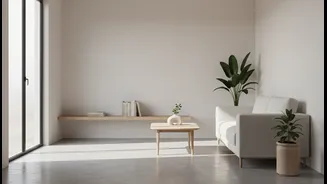
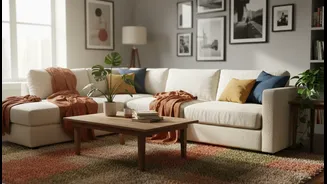
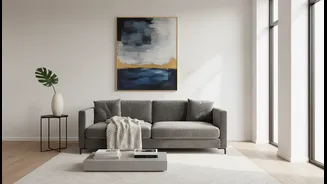
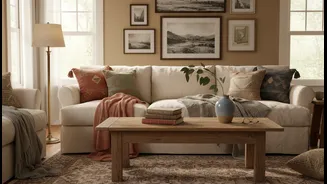
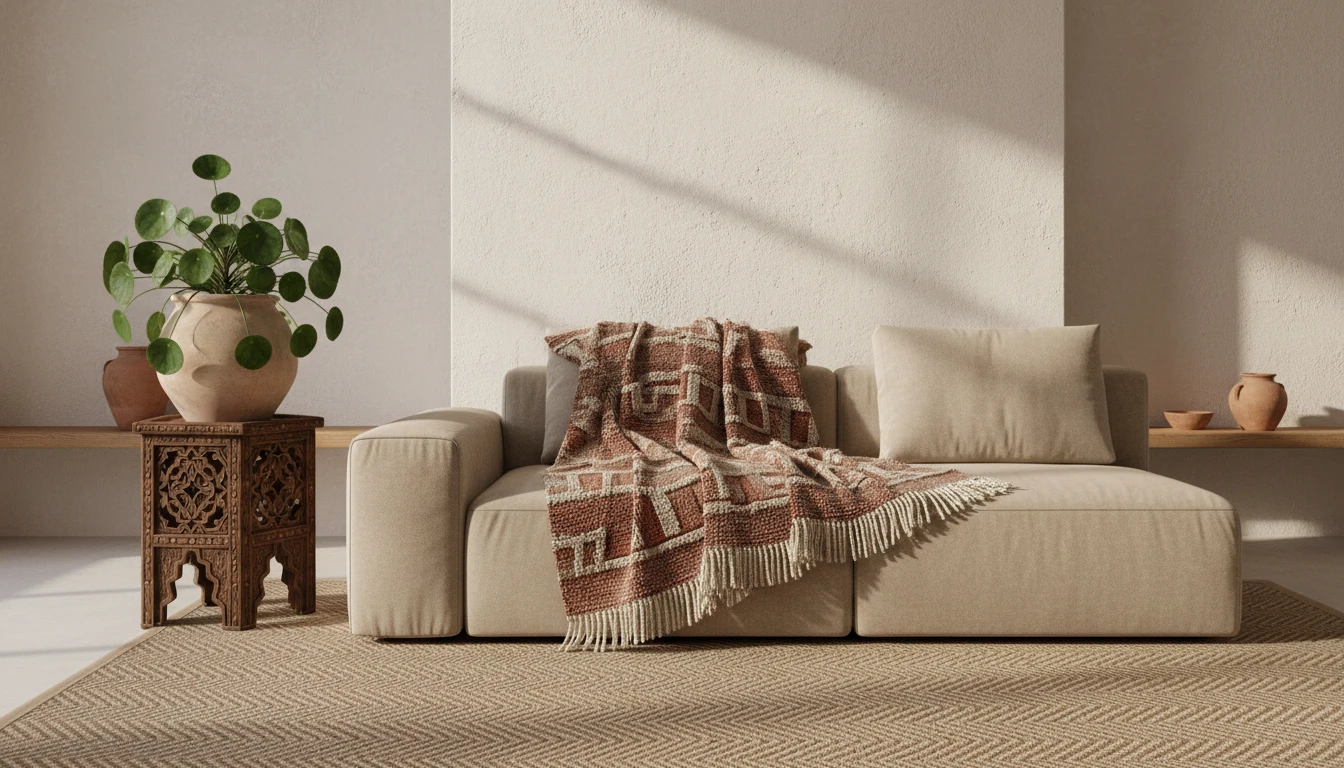
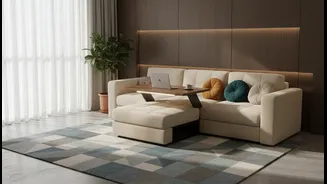
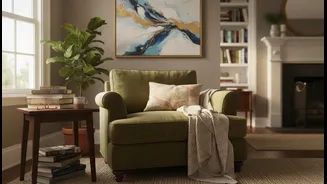
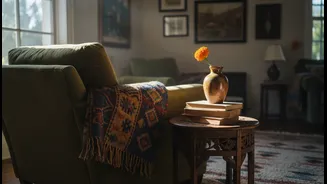
over quantity. The style is defined by a focus on clean lines, neutral or earthy colour palettes, and an uncluttered feel. But the 'crafted' element is key: it introduces handmade objects, natural materials, and traditional techniques. Think of a sleek, modern sofa paired with block-printed cushions, a simple dining table adorned with terracotta pottery, or a single piece of intricate Warli art on a lime-washed wall. It’s a design language that values both empty space and the soulfulness of a handmade object.
The Drivers: Small Spaces and Big Aspirations
This shift is a direct response to modern urban Indian life. With apartment sizes shrinking in major metros, a minimalist approach is simply practical. Bulky, traditional furniture can overwhelm a compact 2BHK. Younger homeowners, particularly millennials and Gen Z, are choosing functionality, flexibility, and a clutter-free environment that supports mental well-being. After years of lockdown, the home is now seen as a sanctuary, and this design philosophy helps create a sense of calm and order. There's also a growing desire to connect with Indian heritage, but in a way that feels contemporary and authentic to a globalised generation. They are moving away from imitation and towards a confident new Indian aesthetic.
A Return to Roots: Celebrating Indian Craftsmanship
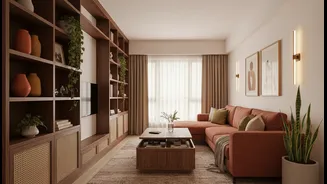
At the heart of this trend is a renewed appreciation for local artisanship. Instead of mass-produced decor, homeowners and designers are seeking out pieces that tell a story. This includes furniture made from reclaimed wood, handwoven jute or cane accents, and textiles featuring traditional embroidery or printing. This movement champions eco-friendly and sustainable materials like bamboo, clay, and natural stone, which not only reduce environmental impact but also add a layer of organic warmth to a space. By incorporating these elements, a home doesn't just look good; it actively supports artisanal communities and preserves age-old skills, making sustainability the new luxury.
Achieving the Look: Palette and Texture
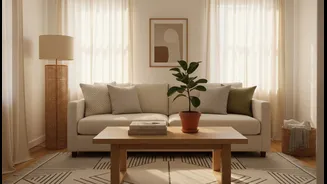
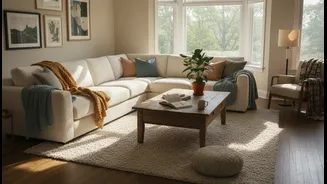
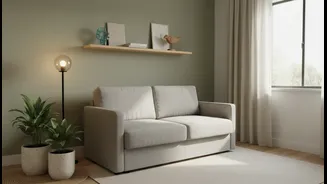
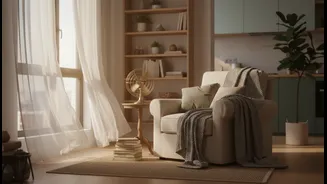
Creating a crafted minimalist space starts with a calm colour foundation. Walls are often painted in shades of white, beige, light grey, or earthy tones like sand and muted terracotta. This neutral backdrop allows the textures and forms of the furniture and decor to stand out. Texture is crucial for adding warmth and preventing the space from feeling sterile. This can be achieved through rough-hewn wooden benches, linen curtains, woven dhurries, and the patina of brass or copper accessories. Lighting is also key; maximising natural light with sheer curtains and adding soft, layered artificial light creates an inviting atmosphere. The final touch is often a splash of green through indoor plants, a nod to biophilic design that enhances well-being and connects the home to nature.