




More Than Just a Celebration
For generations, India's festivals have been the lifeblood of its communities—a time for devotion, family, and cultural expression. But today, they represent something more: a significant opportunity for the travel industry. Festival tourism moves beyond
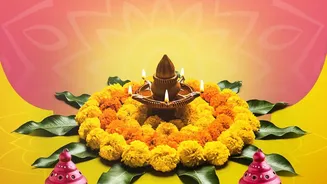
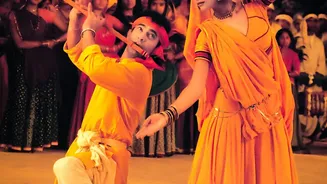
conventional sightseeing, offering travellers an immersive experience. Instead of just visiting a place, tourists get to participate in its living culture, whether it’s the dazzling lights of Diwali in Amritsar, the spiritual intensity of the Kumbh Mela, or the rustic charm of the Pushkar Camel Fair. This shift from passive observation to active participation is attracting a new wave of travellers eager for authentic and memorable experiences.
An Economic Engine for Local Communities
The economic impact of festivals is immense, creating a predictable surge in demand that benefits entire local economies. During festive seasons, consumer spending rises significantly, injecting revenue into sectors like retail, hospitality, and transport. For small businesses, artisans, and local vendors, festivals are a crucial source of income. From handcrafted goods to traditional foods, these events create a vibrant marketplace. This seasonal boom also generates temporary employment in event management, security, and hospitality, providing livelihoods for many. As festival tourism becomes more structured, it has the potential to distribute tourist spending beyond traditional hubs, bringing growth to rural and semi-urban areas that are often overlooked.
The Digital Megaphone
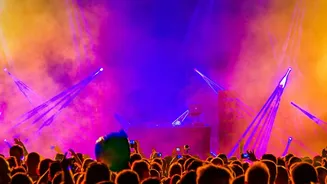
In the age of social media, the visual splendour of Indian festivals has found a global stage. Platforms like Instagram and YouTube have transformed local events into worldwide phenomena. The vibrant colours of Holi, the intricate decorations of Durga Puja, and the pulsating energy of music festivals like Ziro in Arunachal Pradesh are shared globally, sparking curiosity and travel intent. This digital visibility makes festivals more discoverable than ever. Travel influencers and content creators play a key role, showcasing these events to millions and turning cultural moments into bookable travel experiences. This organic marketing is making once little-known regional festivals accessible and appealing to a global audience.
Government and Industry Taking Notice
The potential of niche tourism has not gone unnoticed by policymakers. The Indian government is increasingly focused on developing and promoting specific travel circuits and experiences, including cultural and heritage tourism. Initiatives to improve infrastructure, enhance safety, and digitally map destinations are underway to support this growth. The Ministry of Tourism's plan to launch a revamped, digitally-focused 'Incredible India' campaign in 2026 is expected to further highlight the country's diverse cultural offerings. By moving from simple promotion to strategic destination development, the goal is to make India a more competitive global travel destination.
The Road Ahead: Challenges and Opportunities
While the potential is clear, the path to becoming a festival tourism powerhouse has its challenges. Overcrowding, environmental impact, and the risk of commercialising sacred traditions are significant concerns that require careful management. Ensuring sustainability is crucial; local communities must be included as stakeholders, not just service providers, to protect the authenticity of these events. Inadequate infrastructure, such as poor road connectivity or a lack of quality accommodation in remote areas, also remains a hurdle. Successfully navigating these challenges will be key to unlocking the full potential of festival tourism, ensuring it enhances rather than exhausts the host destinations.