




The Age of Culinary Excitement
The Indian food scene is more dynamic than ever. Chefs are exploring deep regional traditions, from the mountains of Nagaland to the coasts of Kerala. Fusion cuisine is blending Indian spices with global formats in exciting ways, and diners are embracing
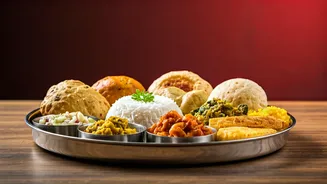
everything from artisanal ghee to authentic biryani and chaat. This culinary renaissance has rightly put Indian food in the global spotlight, celebrated for its complexity, plant-based friendliness, and story-driven appeal. We see a push towards authenticity and technique-first cooking, where the process is as important as the ingredients. But as we celebrate this innovation, we must ask: are we bringing all the wisdom of our traditional diets along for the ride?
The Forgotten Hero: What is Roughage?
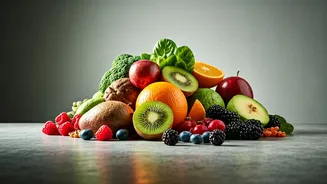
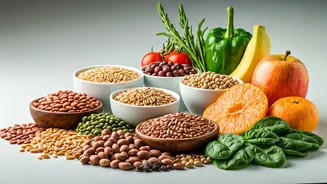
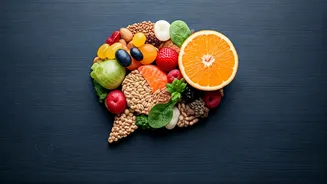
Roughage, also known as dietary fiber, is the indigestible part of plant-based foods like grains, fruits, vegetables, and legumes. It isn't broken down and absorbed like other nutrients; instead, it acts as a regulator and cleaner for our digestive system. There are two main types: soluble fiber (in oats, beans, apples) which forms a gel to help control blood sugar and cholesterol, and insoluble fiber (in whole grains, nuts, vegetables) which adds bulk to stool and prevents constipation. This humble nutrient is a powerhouse, essential for maintaining gut health, managing weight, and reducing the risk of chronic illnesses like heart disease and diabetes.
Where Did the Fiber Go?
While traditional Indian meals were inherently rich in fiber, many modern trends and habits are pushing it to the sidelines. The dominance of polished white rice and refined flour (maida) in our daily rotis, breads, and snacks means we get calories but very little fiber. Even as we embrace regional cuisines, the focus can be on rich, creamy gravies rather than the humble, fiber-packed sabzis. Furthermore, the convenience of processed and ready-to-eat meals, which are typically low in fiber, means many urban Indians are consuming less than half of the recommended daily intake. A study noted that while awareness of fiber's benefits exists, a significant gap remains between knowledge and actual consumption in the Indian population.
A Return to Our Fibrous Roots
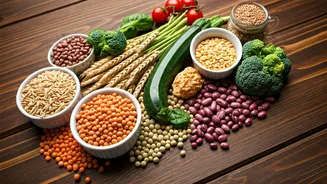
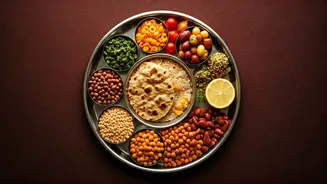
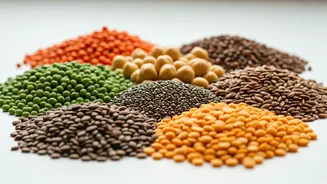
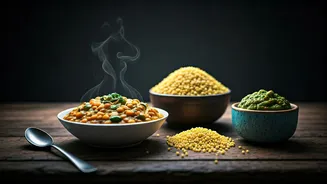
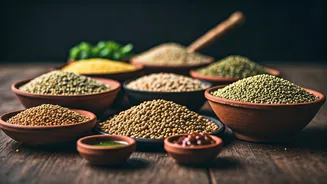
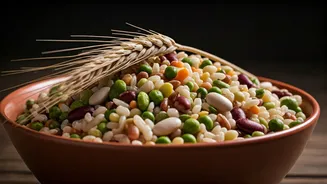
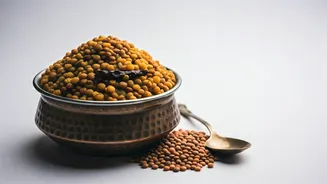
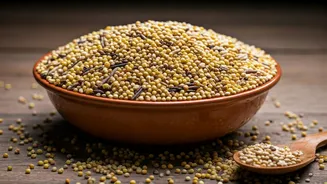
The good news is that we don’t need to look for foreign superfoods to fix this. The solution lies within our own culinary heritage. Traditional Indian diets are treasure troves of fiber. Think of rotis made from millets like jowar, bajra, and ragi, all of which are packed with insoluble fiber. Our dals and legumes, from rajma and chana to moong dal, are excellent sources of both protein and soluble fiber. A simple kachumber salad, a side of spinach or bottle gourd (lauki), and fruits like guava and papaya can significantly boost your daily intake. Reclaiming roughage isn't about adopting a restrictive new diet; it's about re-embracing the balanced, wholesome plates our grandparents ate.
Making Roughage a Priority Again
Incorporating more fiber doesn't have to be a chore. Start with small, sustainable changes. Swap white rice for brown rice or millets a few times a week. Make it a rule to include a vegetable side (sabzi) and a raw salad with both lunch and dinner. Choose whole fruits over juices to retain their fiber content. When making parathas, add grated vegetables like carrot or beetroot to the dough. Instead of maida-based snacks, opt for roasted chana or a handful of nuts. By making these conscious choices, we can ensure that as the Indian food scene evolves, it becomes not only more exciting and diverse but also healthier and more nourishing for a new generation.