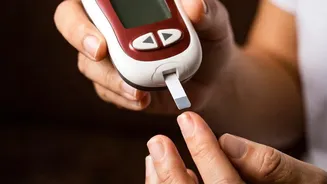








What Is 'Double Diabetes'?
Double diabetes is not an official medical diagnosis but a term used to describe a situation where a person with autoimmune Type 1 diabetes also develops insulin resistance, the key characteristic of Type 2 diabetes. In essence, the body's immune system
has already destroyed its insulin-producing cells (Type 1), and now the remaining cells are not responding properly to the insulin that is administered externally. This combination creates a complex clinical picture, sometimes also referred to as hybrid diabetes. It’s becoming more common, especially as factors like obesity, which drive insulin resistance, become more widespread.
The Challenge of Insulin Resistance
Insulin acts like a key, unlocking cells to let glucose in for energy. Insulin resistance means the 'locks' on the cells are rusty, and it takes more keys—or more insulin—to get the job done. While this is the defining problem in Type 2 diabetes, it can develop in people with Type 1 for several reasons. Risk factors include weight gain, a family history of Type 2 diabetes, a sedentary lifestyle, and even the nature of insulin therapy itself, which can contribute to weight gain and subsequently, resistance. This creates a difficult cycle: higher insulin resistance requires higher insulin doses, which can sometimes lead to more weight gain and even greater resistance.
Why Blood Sugar Control Gets Harder
Managing double diabetes is exceptionally tricky. A person needs insulin to survive due to their Type 1 condition, but their body is actively fighting its effects. This makes calculating the right insulin dose a moving target. What worked yesterday might not work today, leading to unpredictable and volatile blood sugar levels. Patients often find they need significantly higher doses of insulin than they used to, yet still struggle with high blood sugar readings. This constant battle increases the risk for both short-term issues and long-term complications, including heart, kidney, and eye disease, even more so than with Type 1 diabetes alone.
Signs and Diagnosis
There isn't a single test for double diabetes. It's usually identified when someone with established Type 1 diabetes starts showing signs of insulin resistance. Key indicators include a steady increase in daily insulin needs without another clear cause, persistent difficulty in keeping blood sugar within the target range, and unexplained weight gain, particularly around the abdomen. Doctors may also note other features of metabolic syndrome, such as high blood pressure, abnormal cholesterol levels, and dark, velvety skin patches called acanthosis nigricans, which are classic signs of insulin resistance.
A Dual Management Approach
Effectively managing double diabetes requires tackling both problems at once. This involves continuing with insulin therapy for the Type 1 component, often with frequent dose adjustments. To address the insulin resistance (the Type 2 component), a heavy emphasis is placed on lifestyle changes. Regular physical activity, both aerobic and resistance training, is crucial for improving insulin sensitivity. Dietary changes focusing on whole foods and weight management are also cornerstones of treatment. In some cases, doctors may prescribe medications typically used for Type 2 diabetes, such as metformin, to help the body use insulin more effectively.