






Why Soaking Is a Non-Negotiable First Step
Soaking dried pulses like beans, chickpeas, and some dals is more than just a tradition; it’s a crucial step for several reasons. Primarily, it rehydrates the dried seeds, which significantly cuts down on cooking time. Soaked beans cook more evenly, preventing
that undesirable mix of mushy and hard textures in your final dish. Beyond texture, soaking makes pulses easier to digest. Dried beans contain complex sugars called oligosaccharides, which our bodies can't break down easily, leading to gas and bloating. Soaking helps dissolve these compounds into the water, which you then discard. It also helps reduce levels of phytic acid and lectins, anti-nutrients that can interfere with the absorption of essential minerals like iron, zinc, and calcium.
A Guide to Soaking Times
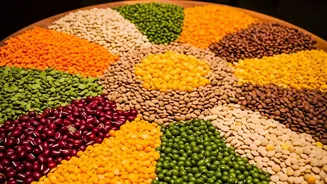
Not all pulses are created equal, and their soaking times vary. Using this as a general guide will set you up for success. Large, tough legumes like rajma (kidney beans) and chole (chickpeas) benefit most from a long soak of 8 to 12 hours, or simply overnight. Some experts even suggest up to 18 hours for these heavy hitters to ensure they soften properly. Medium-sized beans such as black-eyed peas (lobia) need around 4 to 6 hours. Whole dals with their skin on, like whole urad dal or green moong, should be soaked for at least 3 to 4 hours. Smaller, split dals (like toor, masoor, or split moong) require much less time, typically around 30 to 60 minutes is sufficient. In fact, very small lentils like red lentils (masoor dal) often don't need soaking at all and can be cooked directly after a thorough rinse.
The Dangers of an Extended Swim
While soaking is essential, there is such a thing as too much of a good thing. If you leave pulses in water for too long, especially beyond 12 to 15 hours at room temperature, you risk undesirable consequences. The beans can become overly mushy and lose their distinct flavour and texture. More importantly, prolonged soaking can lead to fermentation, where the water may become frothy and develop a sour smell. In some cases, the beans might even begin to sprout. If you need to soak pulses for an extended period, it's best to place the bowl in the refrigerator. The cooler temperature will slow down these processes and keep the beans fresh for longer.
When You're Short on Time: The Quick-Soak Method
Forgot to soak your rajma overnight? Don't panic. The quick-soak method is a reliable shortcut that works for almost any bean. Simply place your rinsed pulses in a large pot and cover them with a few inches of water. Bring the water to a rolling boil, let it boil for about 2 to 3 minutes, and then turn off the heat. Cover the pot and let the beans sit for one hour. After an hour, drain the water, rinse the beans with fresh water, and they are ready to be cooked as per your recipe. This technique effectively rehydrates the pulses, giving you results very similar to a long overnight soak.
The Salt and Soda Debate
The question of whether to add anything to the soaking water is a common one. Contrary to old kitchen myths, adding a little salt to the soaking water can actually be beneficial. It helps soften the pulses and can lead to a shorter cooking time and better flavour. Another popular addition is a pinch of baking soda (sodium bicarbonate), which can dramatically reduce cooking time, especially for older beans or if you have hard water. However, use baking soda sparingly, as it can sometimes affect the flavour and may break down some of the B vitamins in the pulses. For most day-to-day cooking, plain water works perfectly fine, but these additions can be useful tools in specific situations.