





A Tradition of Adda Meets Modernity
Kolkata's identity is deeply intertwined with 'adda'—long, informal conversations held in public spaces, historically centered around its iconic coffee houses. Institutions like the Indian Coffee House on College Street, founded in the 19th century as
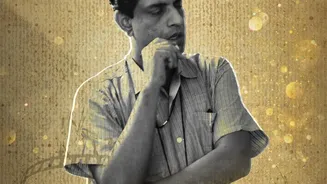
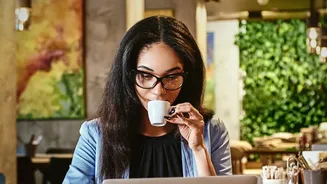
Albert Hall, were the crucibles of political, literary, and artistic movements for decades. They served as meeting points for intellectuals and revolutionaries, from Rabindranath Tagore to Satyajit Ray, fostering a culture of discourse over endless cups of coffee. While the tradition of adda continues, its form is evolving. Today, this culture of lingering and discussion finds a new expression as freelancers, writers, and digital creators transform these historic spaces into their daily offices.
The Allure of Atmosphere Over Office
In an era of sterile co-working spaces and the isolation of working from home, Kolkata's heritage cafes offer a compelling alternative. For the city's new creative class, the appeal lies in an environment that feels inspiring rather than institutional. The high ceilings, vintage furniture, and walls steeped in history at places like The Bhawanipur House or The Red Bari provide a sense of connection to the city's past. This stands in stark contrast to the often generic and transient nature of modern offices. The fusion of café culture and remote work is reshaping how Kolkata operates, with many drawn to spaces that offer comfort, community, and a unique character.
More Than Just Free Wi-Fi
While practical amenities like Wi-Fi and power outlets are now common in many cafes, the reasons for this trend run deeper. Affordability is a significant factor. Heritage establishments like the Indian Coffee House are famously easy on the pocket, allowing a person to occupy a table for hours with minimal spending—a practice ingrained in the venue's history. Newer, heritage-themed cafes such as Byloom Canteen and Artsy also cultivate a welcoming atmosphere for those looking to work for extended periods. They offer not just connectivity but a sense of belonging and freedom from the pressure to constantly consume, a welcome respite for freelancers and creators managing their own schedules and budgets.
A Symbiotic Relationship
This trend represents a mutually beneficial relationship. For the remote worker, these cafes provide an inspiring, low-cost, and sociable workspace. For the cafes, particularly the older ones, this new clientele brings consistent daily footfall, ensuring their relevance and financial viability in a competitive market. Many century-old colonial mansions and homes are finding a new lease on life through adaptive reuse, being converted into cafes that blend historic architecture with contemporary culture. Establishments like The Red Bari, a restored ninety-year-old mansion, not only serve coffee but also host cultural events, positioning themselves as community hubs. This model allows for a form of consumer-led conservation, preserving historic structures by making them commercially sustainable.
Navigating the Blend
The trend is not without its challenges. The very buzz that makes these cafes vibrant can be a source of distraction for those needing deep focus. Internet connectivity can be inconsistent, and the ethics of occupying a prime table for hours with minimal purchase is a point of consideration. Some observers note that this wave of 'Instagram-friendly' heritage conversions risks creating a stylised nostalgia that caters to a specific demographic, potentially stripping the history of its deeper context. However, the culture seems to be adapting. Many modern cafes like The Red Bari are now designing dedicated co-working floors to minimise disruption, offering a quiet space tucked away from the main cafe buzz.