


Black pepper is the king of spices, but not all peppercorns are created equal. From flavourless fillers to harmful additives, poor-quality pepper can ruin a dish. Here’s a practical guide to ensure what’s in your grinder is pure, potent, and safe.
Why You Should Check Your Pepper
In the
world of spices, black pepper's high value makes it a prime target for adulteration. Unscrupulous suppliers may mix in cheaper, look-alike substances to increase weight and profit. The most common culprit is dried papaya seeds, which bear a striking resemblance to peppercorns but offer none of the flavour or health benefits. Other adulterants can include millet, buckwheat, and even spent pepper husks left over from oil extraction. In some cases, peppercorns are coated with mineral oil to give them an appealing shine, a practice which can cause gastrointestinal issues. Checking your pepper is not just about guaranteeing the sharp, pungent flavour you expect; it’s a crucial step for food safety and ensuring you get the quality you paid for.
The Visual Inspection: What to Look For
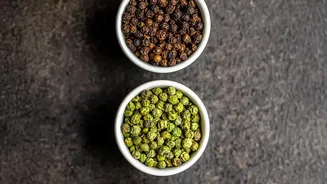
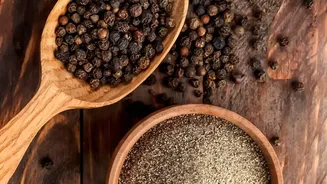
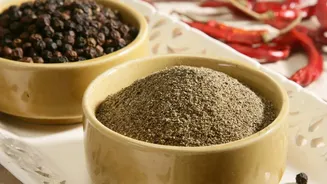
Start with a simple visual check. High-quality black peppercorns should be relatively uniform in size and have a deep, dark brown to black colour. They will have a distinctly wrinkled surface, which is a natural result of the drying process for mature berries. Be wary of peppercorns that look unusually shiny or glossy, as this could indicate a mineral oil coating. If you see a mix of whole peppercorns with excessive dust or broken pieces, it could be a sign of poor handling or the inclusion of fillers. Papaya seeds, a common adulterant, are often slightly more oval-shaped, less wrinkled, and might have a greenish or blackish-brown hue compared to the deep black of true pepper.
The At-Home Float Test
One of the easiest and most reliable at-home tests is the water float test. Simply drop a spoonful of whole peppercorns into a glass of water. Good-quality, dense peppercorns will sink to the bottom. Adulterants like papaya seeds or hollow, underdeveloped peppercorns are lighter and will typically float to the surface. While a few genuine peppercorns might float due to trapped air, a significant amount of floating particles is a major red flag and warrants a closer look. This test is a quick way to gauge the overall density and purity of your supply.
The Aroma and Crush Test
Your nose is one of your best tools for assessing quality. Take a few peppercorns and crush them between your fingers or with a heavy object. Fresh, high-quality pepper will immediately release a strong, sharp, and complex aroma with woody or even citrusy notes. If the smell is faint, dusty, musty, or non-existent, the pepper is likely old or of poor quality. Adulterated pepper may also have a repulsive or bland smell. When crushed, a true peppercorn is hard and breaks into oily fragments, while a papaya seed is much softer and mashes into a tasteless pulp.
Why Whole Peppercorns Are Better
While convenient, pre-ground pepper loses its flavour and aroma much faster because the essential oils are exposed to air. It is also far more susceptible to adulteration with fillers like sawdust, bran, or various flours, which are impossible to spot with the naked eye. Whenever possible, buy whole peppercorns. Grinding them just before use releases their full aromatic potential, ensuring you get the most flavourful and potent spice in your cooking. This simple habit is the single best way to protect yourself from low-quality products and elevate your dishes.
Smart Storage for Lasting Freshness
Once you've sourced good-quality peppercorns, proper storage is key to preserving their potency. The main enemies of fresh pepper are air, light, heat, and moisture. Store your whole peppercorns in a clean, airtight container, preferably made of glass or ceramic. Keep the container in a cool, dark place like a pantry or cupboard, away from the stove or any direct sunlight. Heat and light will degrade the essential oils that give pepper its flavour. By storing them correctly, whole peppercorns can maintain their robust flavour for several years, ensuring the 'king of spices' always reigns supreme in your kitchen.